Discover what’s new before everyone else:
Get our free on-the-go Mediterranean hotspot map!
The Mediterranean • Insider guides • Trend watch: why everyone in Paris is obsessed with neocafés
Parisian café culture is iconic, but it’s evolving. While the traditional corner bar-tabac faces decline, a new breed of establishment is capturing the city’s heart – the neocafé. Part revival, part reinvention, the neocafé reimagines the local French café for the 21st century, proving that the simple pleasure of a welcoming spot for coffee, a meal or an apéro is more relevant than ever. It signifies a cultural evolution, where the cherished tradition of the local café is being revitalised for a new generation. But what exactly is a neocafé and why has it captured the city’s imagination? In this guide, we deep dive into the neocafé trend and answer all the questions you might have about neocafés.
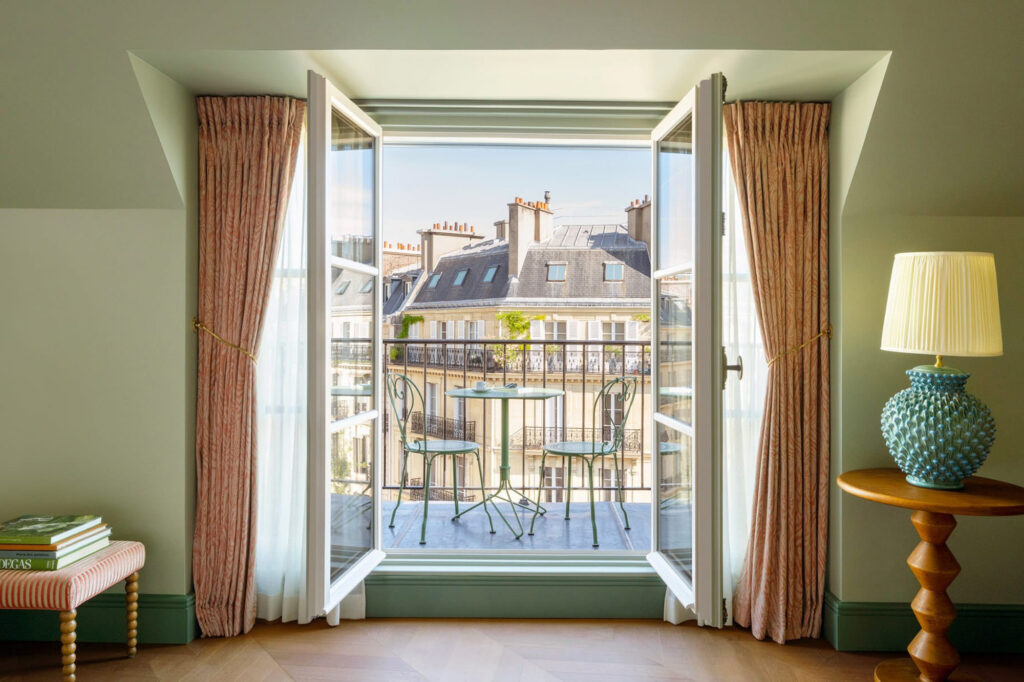
Top photography courtesy of Parador de Aiguablava
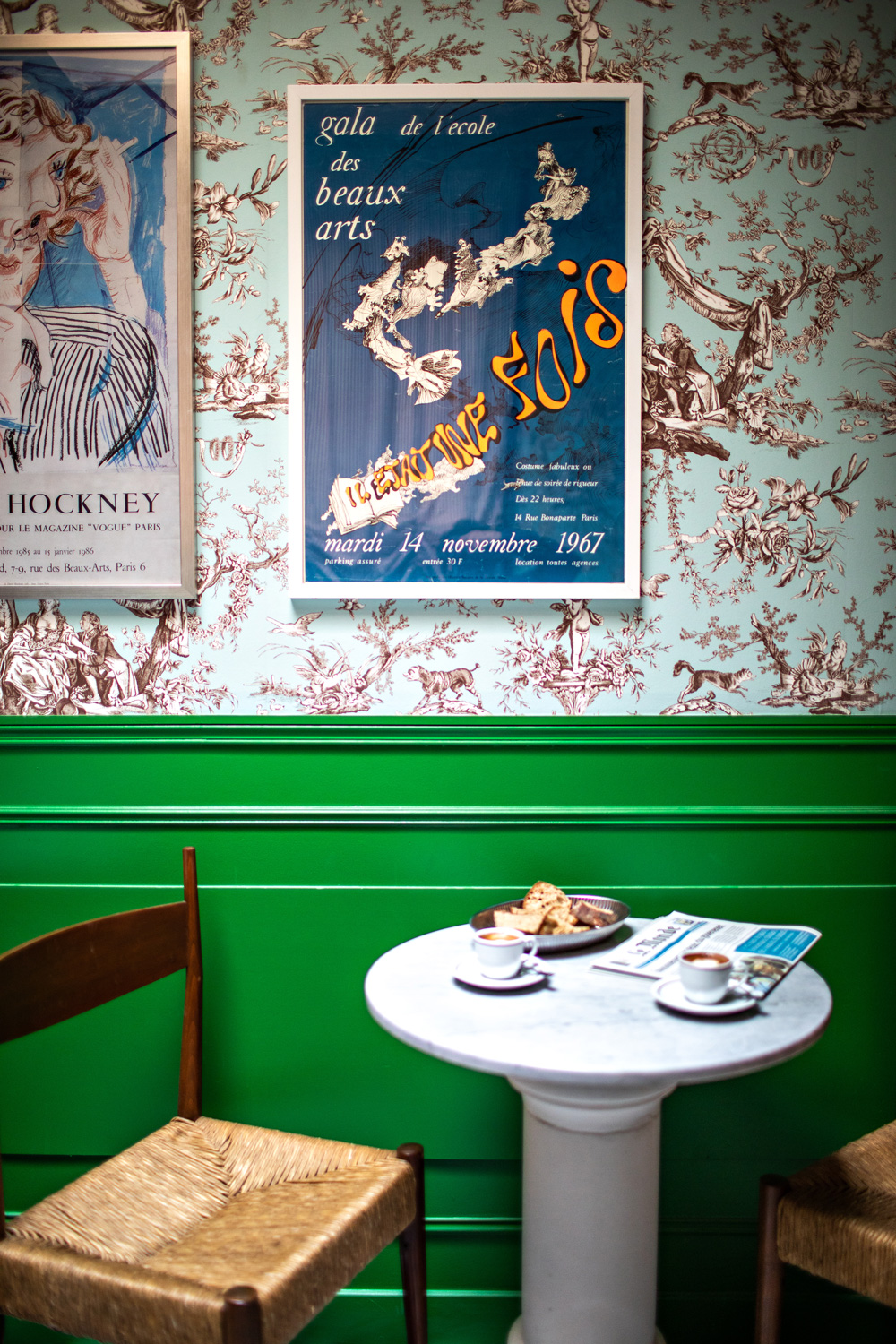
A neocafé is a neighbourhood gathering place that nods to the classic French café – where you could once hole up all day over espresso and pastis – but upgrades every element for 21st-century life. It borrows the familiar codes from old-school bistros and bar-tabacs – the vintage-inspired décor (think terrazzo floors, tiled walls and zinc counters), the relaxed atmosphere and the role as a local meeting point.
Unlike traditional cafés, which serve light snacks and drinks during limited hours, neocafés operate on extended schedules – often from early morning until late evening – and focus just as much on food quality and design as on coffee authenticity.
This new approach prioritises curated interiors and a menu featuring inventive and often colourful drinks, such as the increasingly popular creamy matcha lattes, ube-infused creations and wellness-focused, collagen-boosted options.
A defining characteristic of neocafés is their commitment to exceptional beverages, often brewed from hand-selected coffee roasts and frequently adhering to fair-trade principles. This reflects a broader third wave coffee culture, one that aims to cultivate a more conscious consumer base with a refined appreciation for coffee. It’s the spirit of the old bar-tabac infused with modern culinary values and aesthetics.
Photography courtesy of Paloma
To truly appreciate the rise of neocafés, it’s essential to understand the history of their predecessors – the traditional Parisian cafés and the distinct bar-tabacs. The tradition of gathering in cafés in Paris dates back to the 17th and 18th centuries, initially taking shape within private salons where European elites would convene to exchange ideas. This practice eventually spilled into the public sphere, with cafés beginning to proliferate across the city, becoming inviting spaces for artists, visionaries and intellectuals to engage in lively discussions over drinks. Café Procope, established in 1686, is often credited with laying the foundation for what we recognise today as the Parisian café – a central gathering point fostering conversation and community.
To understand the rise of the neocafé, it’s crucial to consider the shifting landscape of France’s traditional café culture. Once the heart of social life, the number of cafés in France has dramatically declined, plummeting from a peak of around 200,000 in the 1960s to approximately 40,000 today. This decline can be attributed to various factors, including changing social habits, the decline of smoking indoors, different work patterns and the rise of alternative social spaces. However, the desire for informal, reliable neighbourhood gathering places never disappeared.
The Covid-19 pandemic, with its lockdowns and emphasis on local living, significantly amplified this desire. People sought comfortable, accessible spots close to home, reinforcing the need for venues that offered more than just a quick drink – places providing good food, a welcoming atmosphere and a sense of community stability – seeds from which neocafés sprouted.
At the same time, third‑wave coffee culture introduced Parisians to single‑origin beans, precision brewing and design‑forward spaces, heightening expectations around coffee quality and ambience.
Photography courtesy of Fontaine de Belleville
While both ‘neo’ formats represent a modernisation of French dining, they serve distinct purposes. The neobistro movement originated in Paris, characterised by young chefs who sought to break away from the constraints of traditional fine dining. Neobistros are chef‑driven, gastronomy‑focused venues with evolving, seasonal menus, often open mainly for lunch and dinner and rooted in haute‑cuisine traditions. They emphasise inventive cooking, prix-fixe meals and an upscale dining experience. The evolution from traditional bistros to neobistros often involves a refinement of classic techniques, such as the head-to-tail approach and a more discerning selection of wines. They cater to a dinner crowd seeking culinary creativity.
Neocafés, in contrast, are restaurateur-led, neighbourhood-centric and open all day, offering a selection of food items, but their primary focus remains on delivering a high-quality coffee. Their menus range from breakfast, light lunches, tapas and sometimes even evening drinks, but it typically doesn’t extend to the full, refined, multi-course dining experience that defines a neobistro.
While both represent modern evolutions, neocafés are fundamentally centred around coffee and a more casual, continuous service model, whereas neobistros prioritise innovative and often more elaborate cuisine within a relaxed restaurant setting.
Photography courtesy of Café Les Deux Gares
Speciality coffee shops, often associated with the third wave coffee movement, are primarily centred on the quality and craft of coffee itself. They focus on single-origin coffees, lighter roasting profiles to highlight the beans’ unique characteristics, manual brewing methods such as pour-overs and often a wealth of information provided to customers about the coffee’s specific origin, processing methods and flavour notes. The use of speciality coffee beans, which are high-grade and often ethically sourced, is fundamental to the third-wave philosophy. Speciality coffee shops’ food offerings are usually minimal – pastries, maybe a few light bites – and their hours often align with typical daytime café schedules.
While neocafés also prioritise high-quality coffee and often adopt third-wave brewing techniques, their scope extends beyond a singular focus on coffee appreciation. Neocafés offer a broader range of food and hospitality options, including full menus for lunch and sometimes dinner, serving alcohol (often featuring natural wines or craft beers) and a stronger emphasis on creating a social and communal atmosphere that goes beyond simply enjoying exceptional coffee. They are designed as full‑service neighbourhood hubs rather than coffee laboratories.
Photography courtesy of Le Cornichon
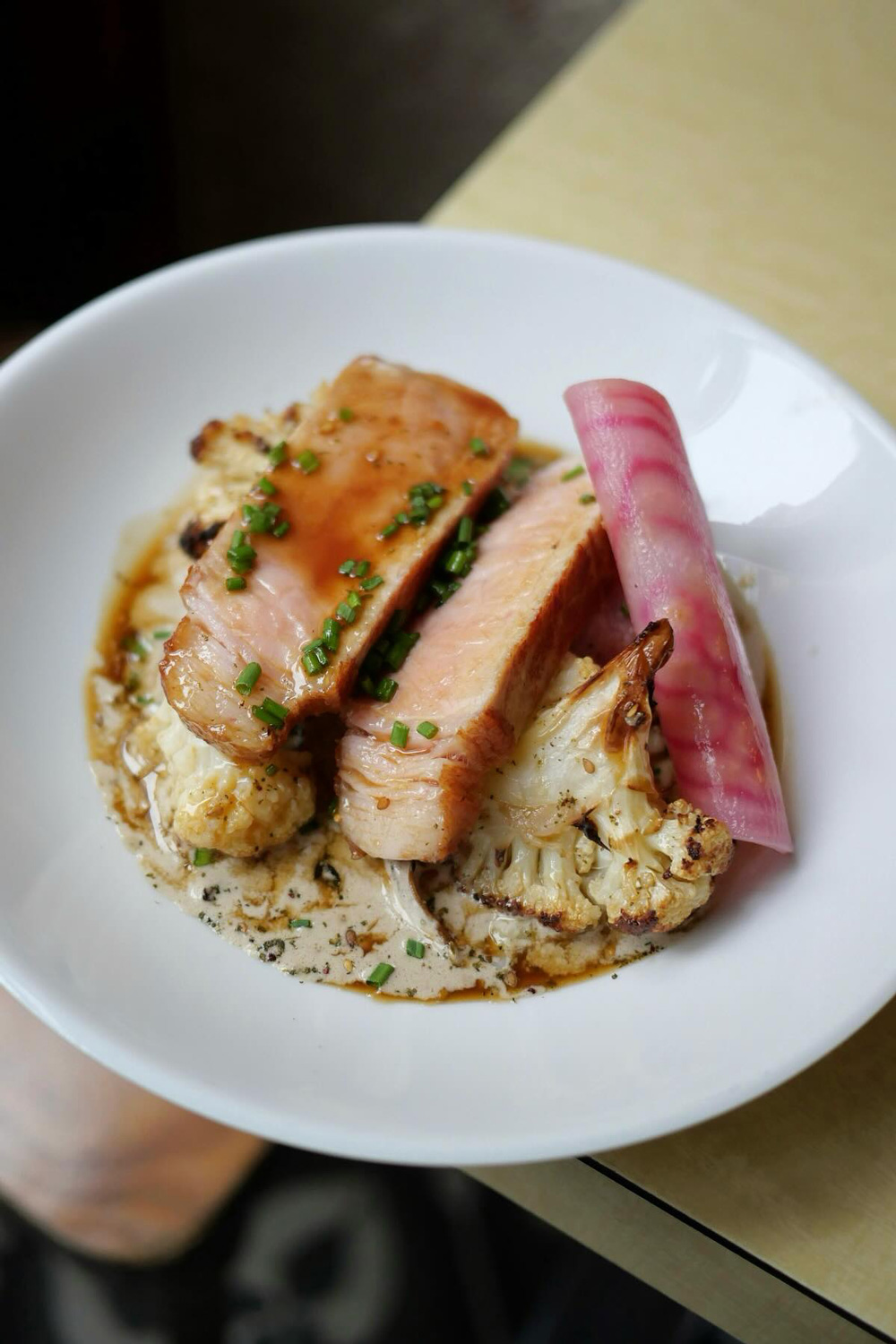
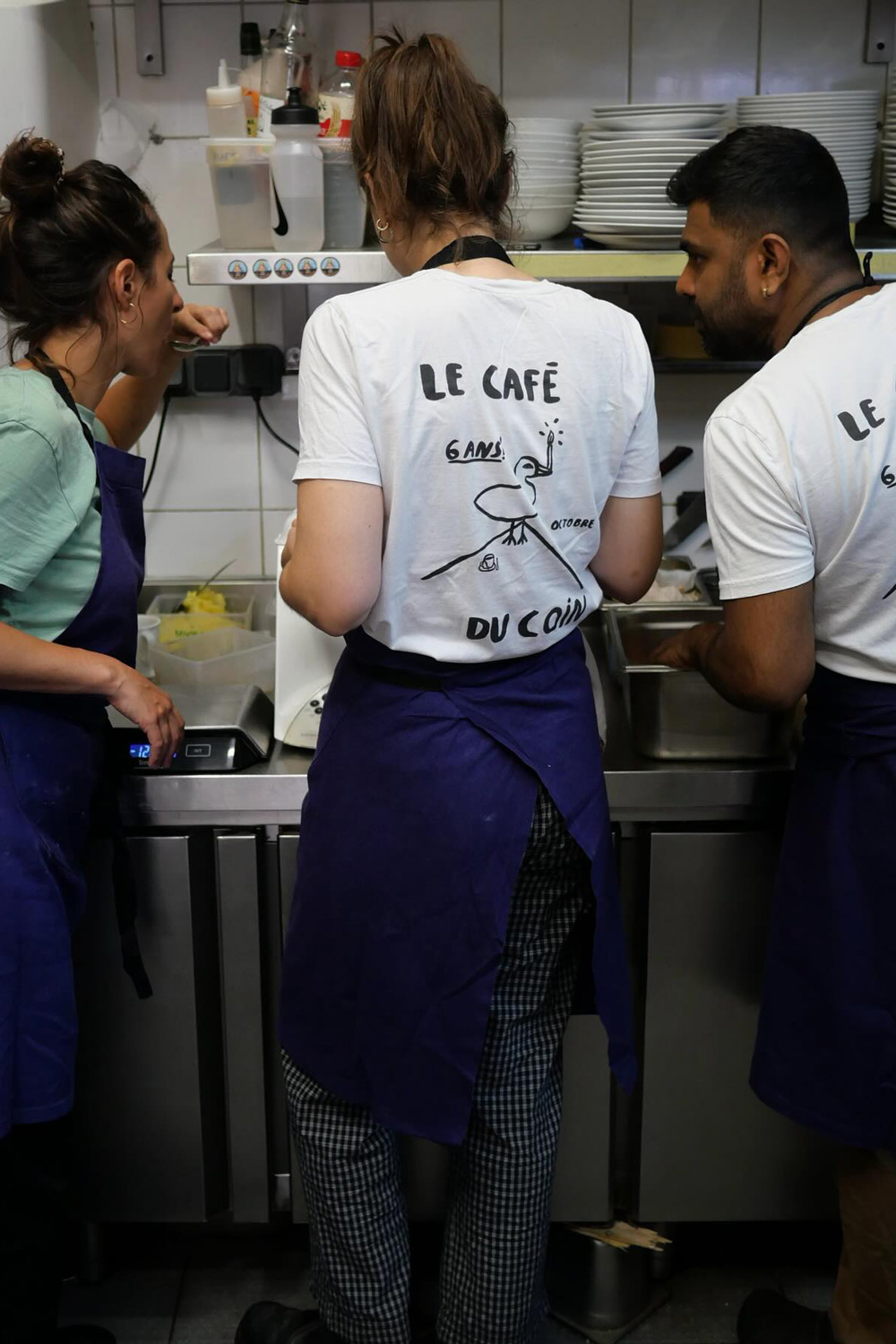
Café du Coin, located at 9 Rue Camille Desmoulins, Paris, was founded in 2017 by chef‑restaurateur Florent Ciccoli. This neocafé showcases a beautiful wood‑lined interior with Belle Époque tiling and Formica tables, serving a daily-changing menu at lunch (from fish to quail) and simple pizzettas, cheese plates. By nightfall, the café naturally shifts gears into a laid-back wine bar, serving natural wines.
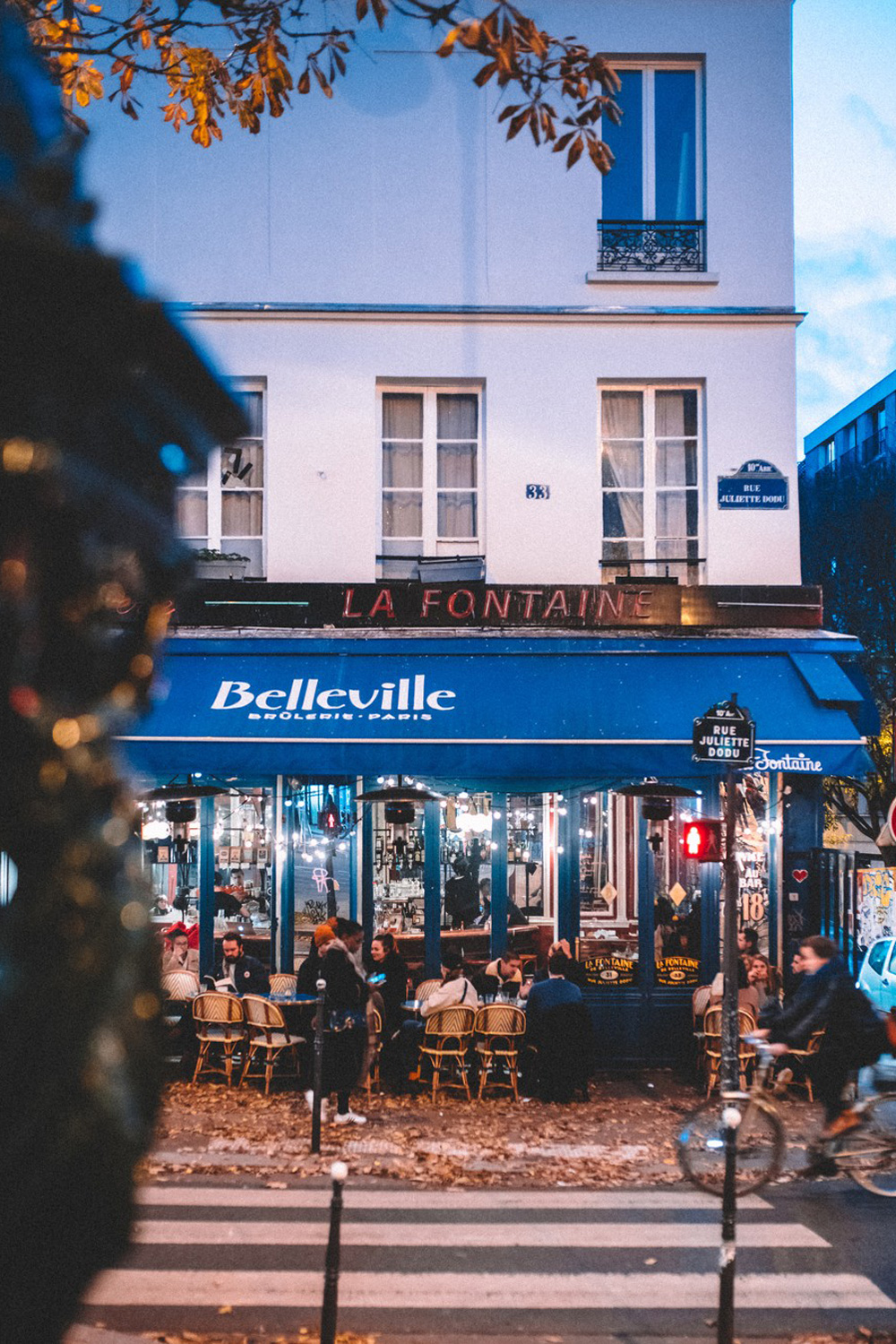
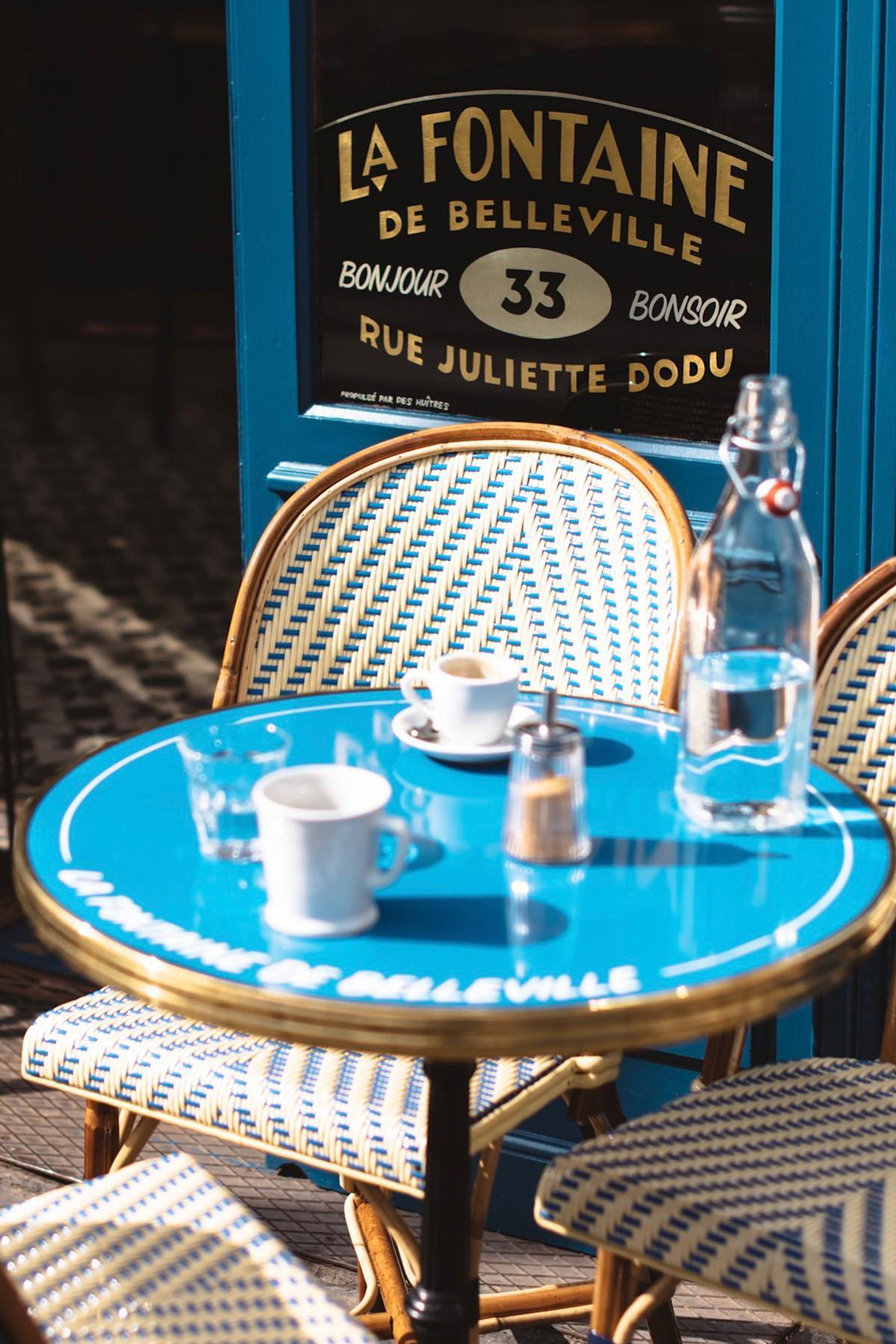
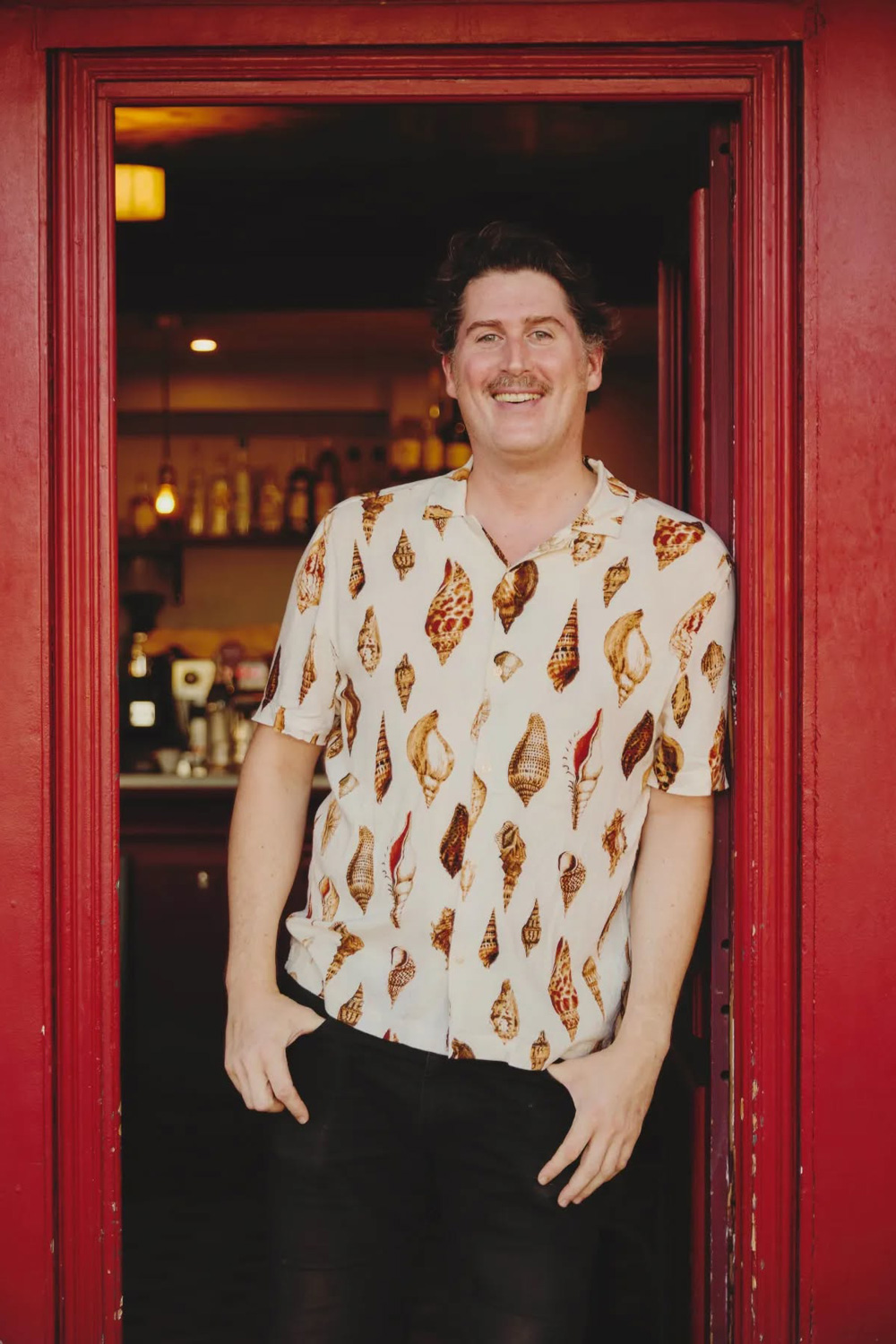
Relaunched in 2016 by Belleville Brûlerie co‑founders David Flynn, Thomas Lehoux and Jeff Marois, Fontaine de Belleville is a roaster’s café‑bar blending craft coffee, French farmhouse ales, wine, breakfast snacks, croque‑monsieur (ham and cheese sandwich) and cheese plates.
Housed in a café dating to 1915 at 31 Rue Juliette Dodu, Paris, this neocafé is a revival of a classic corner café, gaining attention for bringing speciality coffee standards into a traditional Parisian café setting.
Located within the Hôtel Les Deux Gares, this café, designed by Luke Edward Hall, was opened in 2020, offering a stylish and colourful take on the classic Parisian neocafé. Inside you’ll find a playful Art‑Deco interior and Chef Jonathan Schweizer serves an all‑day menu of simple bistro dishes and natural wines.
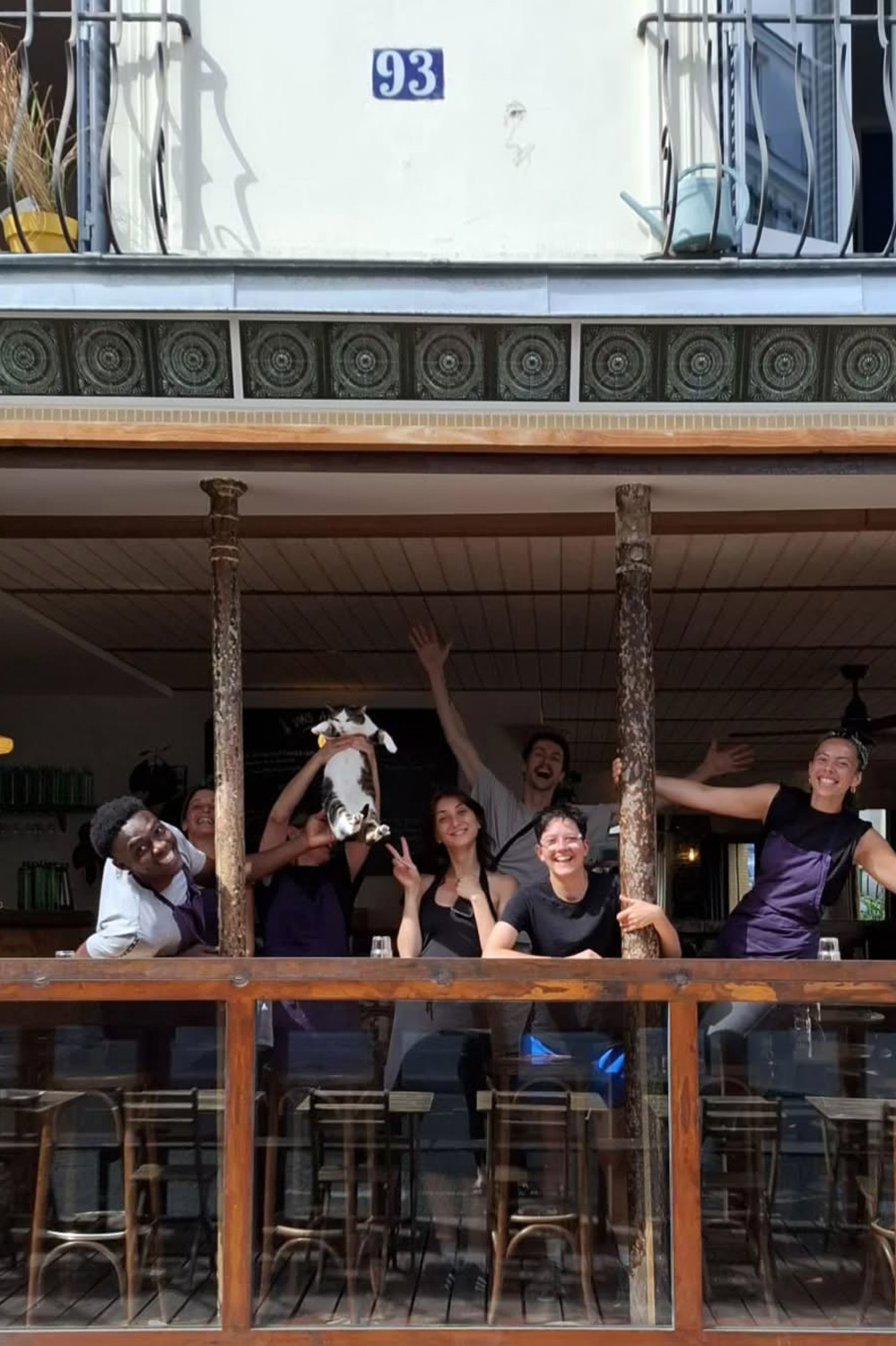
Paloma is a neocafé with a canteen ambiance, reminiscent of Catalonia. Paloma was opened in 2021 by cabinetmaker Olivia and chef Marie‑Anna as a take‑out‑first, neighbourhood bistro, located at 93 Rue Julien-Lacroix, Paris. It’s a DIY‑chic corner spot with a mustard‑yellow tile façade, offering a three‑course set menu (think mussel‑fennel salad, sausage‑mash and apple beignet), natural wines and evolving grocery provisions in a welcoming, work‑in‑progress ambience.
Le Cyrano is a century-old bistro with intact decor, once a brothel and a surrealist haunt, modernised by a group of four friends, including chef Charleyne Valet. Le Cyrano opened in 2022, located at 3 Rue Biot, Paris – here you’ll find quirky, surrealist‑inspired décor with a menu focused on wood‑fire cooking, natural wines and a friendly all‑day spirit.
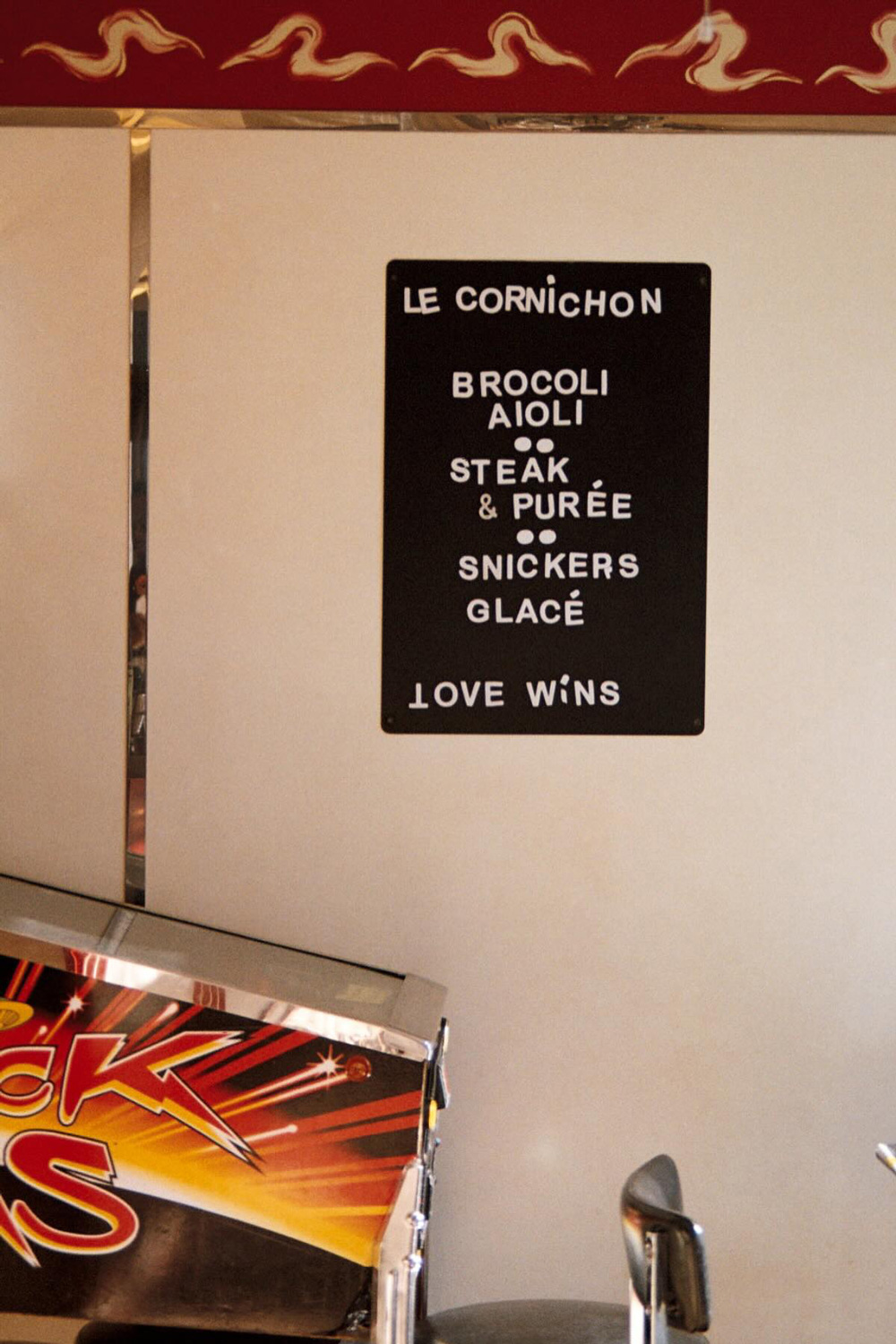
Le Cornichon, opened in 2024 by founders Bertrand Chauveau & Paul Henri, is a retro‑inspired space that nods to 1970s bar‑tabacs, located at 2 Rue des Goncourt, Paris. The interior design was done by Claves Studio, incorporating 1930s mosaic floors, chromed chairs, neon pickle signage, pinball machines and paper‑tablecloth crayons. They serve café classics by day (coffee, bar fare) and shared small plates and natural wines by night in a cinematic setting with nostalgia‑soaked décor.
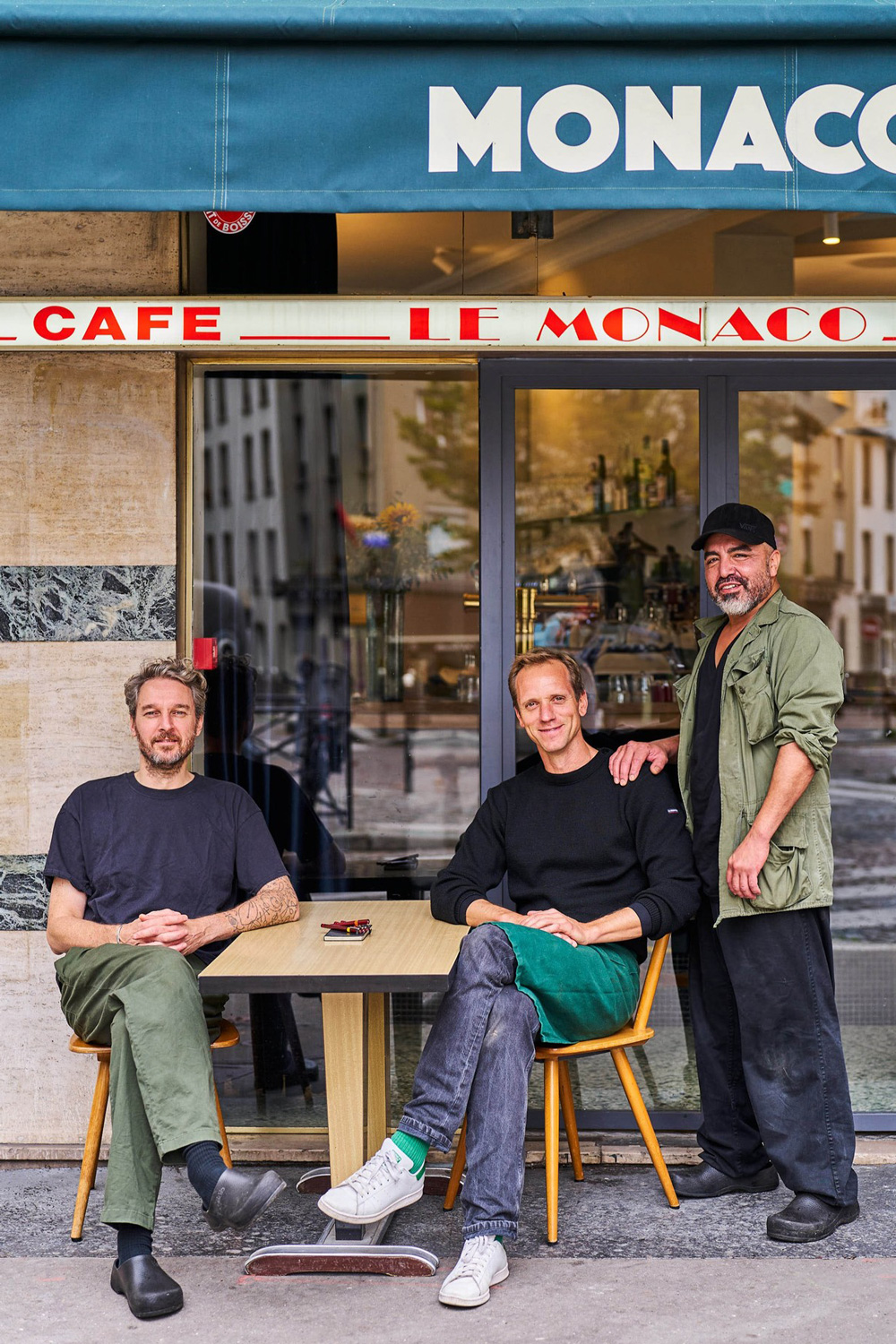
Monaco, opened in 2024 by Pierre Marfaing, also the founder of Café de Mars, can be found at 2 Rue Vulpian, Paris. Monaco, known as one of Paris’s friendliest all‑day cafés, features original terrazzo floors, Scandinavian chairs and oak tables and even a vintage pinball machine. A go‑to for round‑the‑clock hospitality, good-quality coffee and simple but exceptional food.
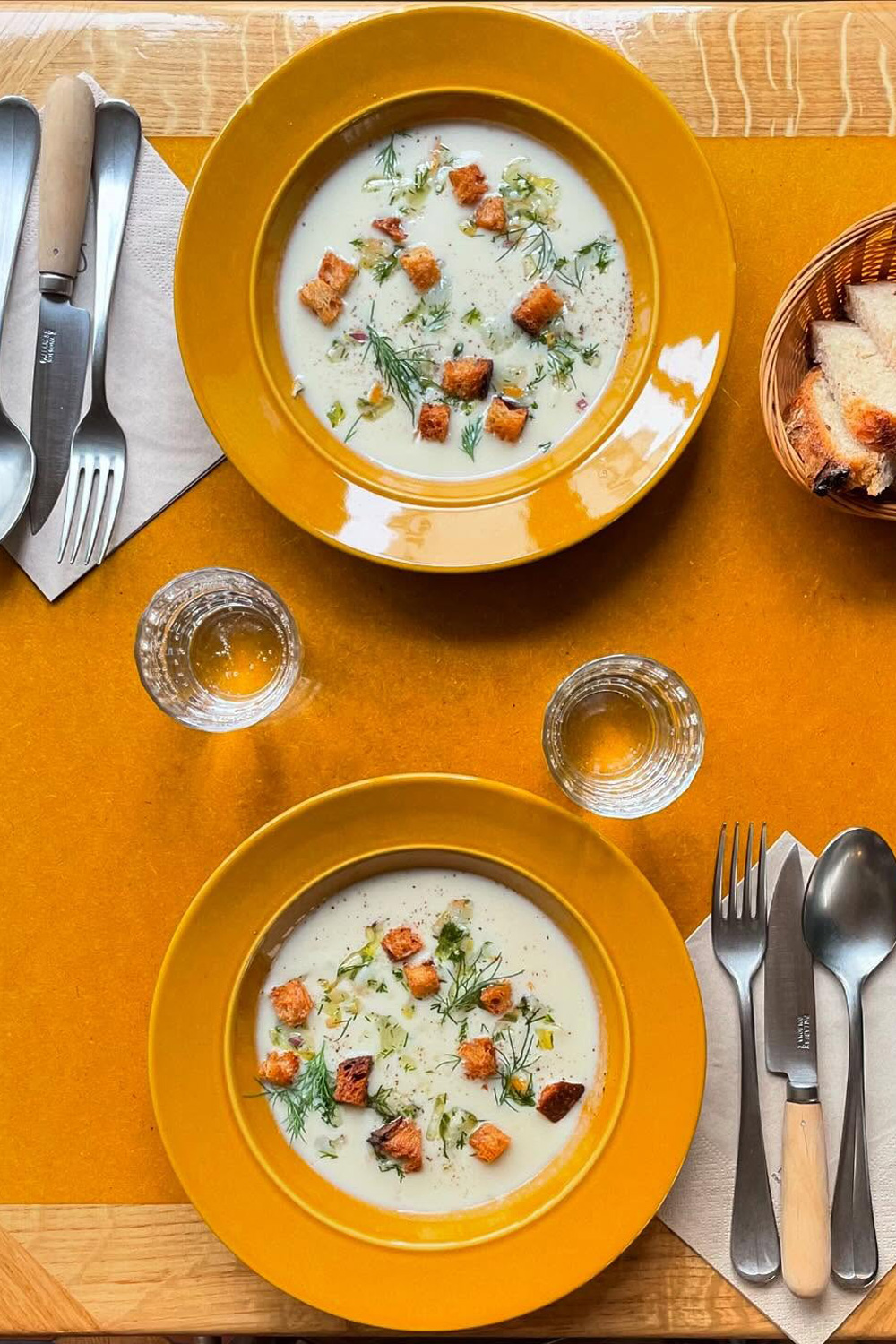
Photography courtesy of Monaco
The appeal of the neocafé taps directly into contemporary Parisian desires. Neocafés answer today’s craving for comfort, ritual and hospitality. They anchor daily routines – morning espresso, lunchtime catch‑ups, evening apéritifs – with quality ingredients, warm service and a sense of belonging often missing from sterile home offices or sprawling co‑working hubs. Their blend of authenticity, community focus and thoughtful design resonates with a generation eager for curated, yet casual, neighbourhood experiences.
The emphasis on sourced ingredients and quality appeals to a growing consciousness around food provenance. Crucially, neocafés feel both familiar, echoing the beloved cafés of the past and present, meeting modern standards of food, drink and design. They offer an accessible, everyday luxury – a dependable place for a good meal, a good coffee or a relaxed drink in a pleasant setting.
Photography courtesy of Café du Coin
Absolutely. By fusing the casual intimacy of bistro culture with the innovation of chef‑led kitchens and speciality coffee sensibilities, neocafés are carving out a sustainable, all‑day model that resonates with modern lifestyles.
This trend combines bistronomy’s emphasis on seasonal, locally driven cuisine with a renewed localism – where cafés become year‑round hearths of neighbourhood life. As they continue to evolve, neocafés are poised to become defining fixtures of France’s culinary landscape, offering a fresh blueprint for convivial, everyday dining.
The all-day service model also reflects a shift in dining habits, accommodating more flexible schedules and blurring the lines between traditional meal times. This trend could encourage other types of dining establishments to adopt a more versatile approach to service and menu offerings.
Photography courtesy of Le Cyrano
Share this
Sign up for the latest hotspot news from the Mediterranean.