Discover what’s new before everyone else:

Get our free on-the-go Mediterranean hotspot map!

Lisbon, Portugal

Lisbon: a city guide to staying, eating and living well

An insider guide to how Lisbon works as a city starts with its real organising principle: hills, heat and timing. Choose the wrong base and you’ll spend the day climbing, waiting and zigzagging. This guide breaks down how areas function and how days tend to play out, then maps it to where to stay, eat, drink, shop and switch off.

Table of Contents
Lisbon Lisboa Portugal travel guide
Estrela Basilica Lisbon Portugal

What kind of city is Lisbon, really?

Lisbon is Portugal’s capital and its largest city, with about 575,739 residents in the municipality and roughly 3.0 million in the metropolitan area. The city’s past is still visible in how it moves. The waterfront points to the Age of Discovery era, when the port became central to overseas trade. The hills and tight street patterns carry older layers that were never designed for modern traffic.

The event that reshaped Lisbon most is dated precisely: 1 November 1755, when an earthquake and subsequent fires and tsunami devastated the city. The reconstruction of Baixa under the Marquis of Pombal produced a rational street grid and early anti-seismic building principles that still define central Lisbon’s feel today.

The Lisbon of today

In the present tense, Lisbon is both a visitor city and a working one. Tourism has changed the centre’s mix of shops and housing, while tech and start-up narratives have been boosted by large-scale events hosted in the city. The tension you feel on the ground is real: daily routine and global attention sharing the same streets.

Looking ahead, Lisbon’s future is going to be shaped by pressures that are already visible: housing availability, summer heat, water use and how the city manages transport capacity while keeping neighbourhood life intact. You can enjoy it more by planning around those realities rather than fighting them.

Bairro Alto Hotel Lisbon Lisboa Portugal hotel review

How is Lisbon organised?

Lisbon is geographically readable, yet daily life is shaped by three factors that matter more than distance: elevation, exposure and footfall. The riverfront stays open and bright. The upper areas run cooler and feel calmer in the mornings. The historic zones compress movement into staircases and bottlenecks, especially at peak hours.

Baixa and Chiado

Baixa is Lisbon’s post-1755 reset: a flat, Pombaline grid rebuilt after the 1 November 1755 earthquake and fires, designed for movement and commerce. It’s where trams, shoes and suitcase wheels compete for the same paving stones and where tourist pressure shows first. Step uphill into Chiado and the mood shifts to bookshops, theatres and cafés that treat sitting still as a serious activity. This pairing suits first timers who want the city to feel readable and anyone who prefers level walking before the hills begin. The downside is that you can spend a whole day here and still miss Lisbon’s sharper edges. Use it as a launchpad, not the whole story.

Alfama

Alfama is Lisbon before tidy lines: lanes that kink, staircases that appear mid-thought and viewpoints that lure you into “just five more minutes”. It feels most convincing early, when residents are out for bread and the streets belong to the neighbourhood again. Later, it becomes a slow-moving audience for the same miradouros. Expect azulejo fragments, laundry lines, tiny groceries and doors that open straight into the street. The beauty is real, and so are the dead ends. Alfama rewards patience and it punishes tight schedules, so visit when you can drift. If you have a fixed dinner booking, keep the climb as your final move, not your warm-up. Go in daylight.

Bairro Alto

By day, Bairro Alto can seem oddly ordinary, shutters down and streets waiting. At night it snaps awake and becomes Lisbon’s compact theatre of bars, chatter and impulse. It’s central and walkable, which is exactly why it’s loud, with sound bouncing between tight façades. Stay near if you want evenings to start late and you like wandering home rather than hunting transport. The smart move is to treat it as an after-dark district, not a daytime destination. Come for a drink, let the streets choose for you and do not expect personal space. If you sleep lightly, pick serious soundproofing. Daytime is for passing through, nightlife is the point.

Príncipe Real

Príncipe Real is where Lisbon starts to feel edited. It sits high for air and shade, close enough to stay practical and calm enough for slow mornings. Expect gardens, design-led shops and cafés that do not beg for attention. It’s a strong base if you want to walk to dinner, browse properly and avoid the churn of the most toured blocks. The cheeky truth is that the area can be slightly self-aware, as if it knows it photographs well. Still, it works: city access with fewer frictions, and the uphill climb feels like a choice, not a tax. Use it as a reset zone, then drop down when you want noise.

Cais do Sodré and Santos-o-Velho

Cais do Sodré is Lisbon’s hinge: trains, ferries and late-night energy compressed into a riverfront strip that can feel rough, glossy or both. It’s convenient, connected and not subtle. Walk west and Santos-o-Velho drops the volume, trading crowds for quieter streets, studios and a residential rhythm that does not revolve around last orders. Together they work if you want the river close, dinners within reach and a base that can handle a night out without swallowing your week. Choose your exact street carefully, because one corner can feel like a party and the next like a private neighbourhood. Use the riverfront for morning walks, retreat uphill for quieter evenings.

Avenida da Liberdade

Avenida da Liberdade is Lisbon on a wide lens: grand, straight and unapologetically formal, with hotels and flagship retail set behind trees. It’s the city’s easiest corridor for getting in and out, which suits travellers who value logistics over atmosphere. You can walk to the centre fast, retreat to quieter rooms and dodge the small-street crush when Lisbon is busy. The trade-off is neutrality: more polished than personal. Use it for sleep and transport, then spend your time in smaller streets where Lisbon’s habits are easier to read. It’s also a handy place to disappear for an hour. If you like a city in controlled doses, this is your on-off switch.

Graça

Graça rewards stubbornness. It sits high above the centre with big skies and viewpoints that can hijack your day, especially at golden hour. The streets feel more residential than staged, with local cafés, small groceries and routines that keep going when the centre is overloaded. Getting here takes effort and that effort filters the crowd, which is part of the appeal. Come for slow mornings and long walks, then stay for the sense that Lisbon still belongs to people with places to be. If you want the view without the circus, arrive early and leave before sunset. Trams help, but walking is the real currency here, so keep your schedule light.

Amoreiras and Campo de Ourique

If central Lisbon can feel like a set, Amoreiras and Campo de Ourique feel like the crew area. Amoreiras is infrastructural and businesslike, shaped by big roads and commuting pace. Campo de Ourique is warmer and more neighbourhood-led, with everyday shops, cafés and a market-centred routine that makes repeat visits easy. This pairing suits longer stays and anyone who wants Lisbon to behave like a city people live in. You trade postcard drama for comfort and that’s the point. It also gives you a break from tourist flows without feeling remote. It’s where you go when you’re tired of being followed by other people’s itineraries. Errands are easy here.

Alcântara and Lapa

Alcântara sits between river, rail and heavy roads, a patchwork of old industry, nightlife pockets and redevelopment that is still negotiating what it wants to be. It can feel messy in a way Lisbon often hides elsewhere, which makes it honest. Lapa, just uphill, is the opposite: greener, quieter and more residential, with embassies and older houses that keep the tempo low. Together they suit travellers who want calm evenings without being marooned, plus quick access to the river and western Lisbon. Plan routes with intention, because the infrastructure likes to cut neighbourhoods into pieces. Alcântara gives you grit and movement; Lapa gives you sleep and shade. Expect flyovers and surprises.

Belém

Belém is Lisbon’s monument district, built for big gestures and long promenades along the Tagus. The scale changes: wider paths, bigger museums and crowds that arrive in waves. This is where you’ll find Jerónimos Monastery and Belém Tower, plus museums that make sense of Portugal’s seafaring past. It’s worth doing with intent because it explains the city’s relationship with the river. As a base it’s calmer, but it’s also distant from evening-led Lisbon, so treat it as a half-day rather than home. Go early, then head back before dinner planning gets tight. Belém is also good on windy days, when the river air clears the heat, and you want space.

The Vintage Lisbon Lisboa Portugal hotel stay
Hotel das Amoreiras Lisbon Lisboa Portugal hotel stay

Where do I stay in Lisbon?

Where you sleep in Lisbon decides how your days feel. The wrong choice turns the city into constant climbs and transit. The right one keeps meals, walking and downtime aligned, so Lisbon feels compact rather than demanding.

Hotels in the historic core can be practical, but they also sit in the city’s busiest foot traffic. Quieter bases often work better than “central”, especially if you want mornings that start calmly and evenings that do not end with a sweaty uphill haul. Think in terms of gradients and noise as much as proximity. If you plan to book dinners, pick a base that lets you get home easily afterwards. If you want to improvise, choose an area where there are good options within a short walk.

Choosing your base

Baixa and Chiado work well for short stays when you want simple navigation and quick access to transport. Read our guide to our top hotel picks in Chiado

Alfama and Graça can feel intensely Lisbon, but they demand legs and patience, especially if you are carrying luggage or coming home late. Príncipe Real suits travellers who value calmer evenings and a base that supports walking, with enough places nearby to make repeat visits easy.

Cais do Sodré and Santos-o-Velho are useful if you want the river close and nightlife within reach, though street-by-street noise matters. Avenida da Liberdade makes sense for predictable hotel logistics and direct routes.

Amoreiras, Campo de Ourique, Lapa and parts of Estrela fit longer stays when you want a steadier routine and a more local pace.

Read our guide to where to stay in Lisbon, and our top hotel picks in Lisbon.

Saia de Joao Sa Lisbon Lisboa Portugal restaurant review
Alma Lisbon Lisboa Portugal restaurant review

Where do I eat and drink in Lisbon?

Lisbon feeds you well, but it doesn’t rearrange its day around visitors. Get the timing right and it feels easy. Get it wrong and you’ll spend your appetite climbing hills for a table you could have eaten better without.

When Lisbon eats

Breakfast is usually light and quick, often coffee plus something sweet. Lunch is the first serious meal and the city tends to fill up from around 12:30 to 15:00. Dinner commonly starts around 20:00 and later, so 18:00 can be an awkward hour unless you’re aiming for hotel dining or tourist-facing rooms. Sundays often run slower and some independent places close or cut hours, so have a back-up.

What kind of food city is it?

Day-to-day Lisbon leans casual with standards. Plenty of places are straightforward, busy and good, with décor that stays out of the way. Fine dining exists and can be excellent, but it’s not the default setting. The safest bet is to look for places that feel like they feed people regularly, not just passing traffic.

Restraint is a good sign. Shorter menus, clear cooking styles and a few house specials usually beat an ocean-sized seafood list. Useful cues include prato do dia (daily dish) which often signals routine and regulars. Expect seafood and grilled options and don’t assume the longest list is the most serious kitchen.

In Lisbon, service is direct. Decide early if you’re sharing or ordering individual mains. Bread, olives, butter or cheese can arrive unasked and are often charged, so keep what you want and send the rest back early, no speech needed. If you want the bill, ask for it.

Make meals work with the city

Treat eating as geography. Pick an area, eat nearby and avoid zigzagging across hills for one hyped booking. On busy weeks, reservations matter most Thursday to Saturday, while bars tend to run later than kitchens.

Read our guide to Lisbon’s essential restaurants and must-try dishes.

FV Concept Store Lisbon Lisboa Portugal store review

Where do I shop in Lisbon?

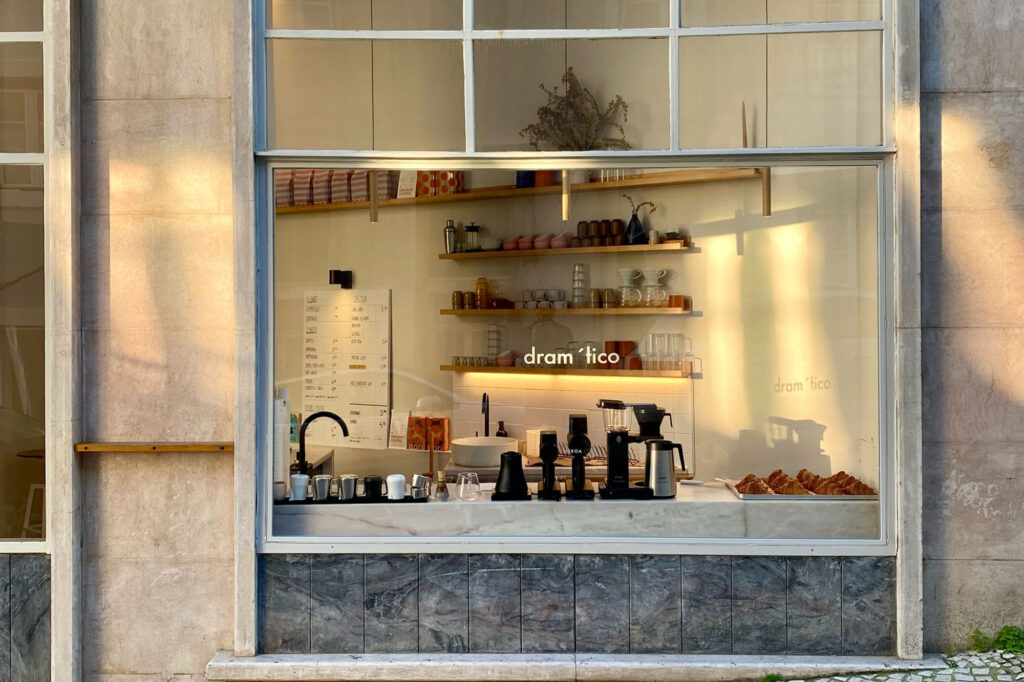
Lisbon retail splits between everyday shops built for repeat custom and a newer layer of design-led stores that know their audience. The city can sell you “Lisbon” fast. The better finds usually come from places that sell a product first and a story second.

Retail is a daytime sport here. Many independents keep shorter hours than you’d expect and evenings thin out quickly once locals head home. Sundays can be uneven, so if shopping matters to you, don’t leave it to the last day. Plan it before dinner rather than after, especially in areas that lean residential.

How to shop well

Think category, not area. The strongest shops are often single-minded: one type of object, done properly, stocked with restraint. Service is usually direct and untheatrical. Staff tend to assume you can make up your own mind, which is exactly the point. Stock can be limited in smaller stores, so if something is genuinely right, waiting rarely improves the situation.

Baixa and Chiado are efficient for browsing and predictable for basics, but the most central streets lean towards visitor retail. Príncipe Real tends to be more edited and design-aware, better for slow looking and considered purchases. Santos-o-Velho can be strong for quieter studios and small-scale finds. Campo de Ourique is practical and local, with shops that exist for residents first and a rhythm that rewards repeat visits. Cais do Sodré is better treated as a connector for river walks and nights out than a dedicated shopping zone. Belém is worth time for culture, but it’s rarely where the strongest retail sits.

Lisbon’s reality check

You’ll often see two versions of the same idea: one made for locals, one priced for passing traffic. If a shop feels like a stage set, treat it as entertainment and keep walking. If it feels slightly plain but properly curated, you’re probably close.

Read our article on Lisbon’s most unique shops.

Museu de Arte Arquitectura e Tecnologia Lisbon Lisboa Portugal museum review
Float In Lisbon Lisboa Portugal spa review

What do I see and do in Lisbon?

Lisbon has plenty of headline sights, but the city is rarely at its best when you treat it like a checklist. The real win is learning how to move through it so the views, culture and neighbourhood life feel connected rather than stacked.

Pick one anchor a day, then let the rest happen between it. Lisbon looks small on a map, then the hills start charging interest. Over-planning tends to end with you arriving sweaty to something you’re meant to enjoy. Under-planning is fine, as long as you accept that the city has its own timing and some places will be closed when you finally make it there.

Views without the circus

Lisbon loves a viewpoint and so does everyone else. If you want the miradouros without the crowd choreography, go early, or go when the light is harsh and most people are hiding in shade. Sunset can be beautiful and also deeply congested. The city’s best views are often the ones you get accidentally, halfway up a street you took because it looked interesting.

Culture that feels like Lisbon

The strongest cultural stops here tend to be the ones that explain the city’s layers rather than just decorating them. Look for places that connect to the river, the empire story, the 1755 rebuild and the modern city’s confidence swings. Museums and major sites can be busy and some run reduced hours on quieter days, so treat them as daytime anchors, not evening fillers.

Lisbon is a river city with proper coastline energy. Use the Tagus as a route: long walks, ferry hops and time spent near water makes the city feel calmer fast. Gardens also matter more than you think, especially in heat. Lisbon rewards the ability to stop, sit and re-enter the day with a clearer head.

The avoidable mistakes

Do not confuse movement with progress. Tuk-tuks, novelty trams and “see it all” loops can turn the city into a theme ride. Walking and short public transport jumps usually deliver more, with fewer regrets.

Read our guide to Lisbon’s essential things to see and do, and our guide to the best spas in Lisbon.

Share this

You might also like
Book your stay in Lisbon

Stay in the know

Sign up for the latest hotspot news from the Mediterranean.

Currently most read

The 2026 hot list: the 10 best new hotels in France, Greece, Italy, Portugal and Spain

Mediterranean tastemakers

My Mediterranean, as told by Daniela Franceschini

My Mediterranean, as told by Nikos Karaflos

My Mediterranean, as told by Alexandra Manousakis

Freebie!

Get our free Mediterranean hotspot map