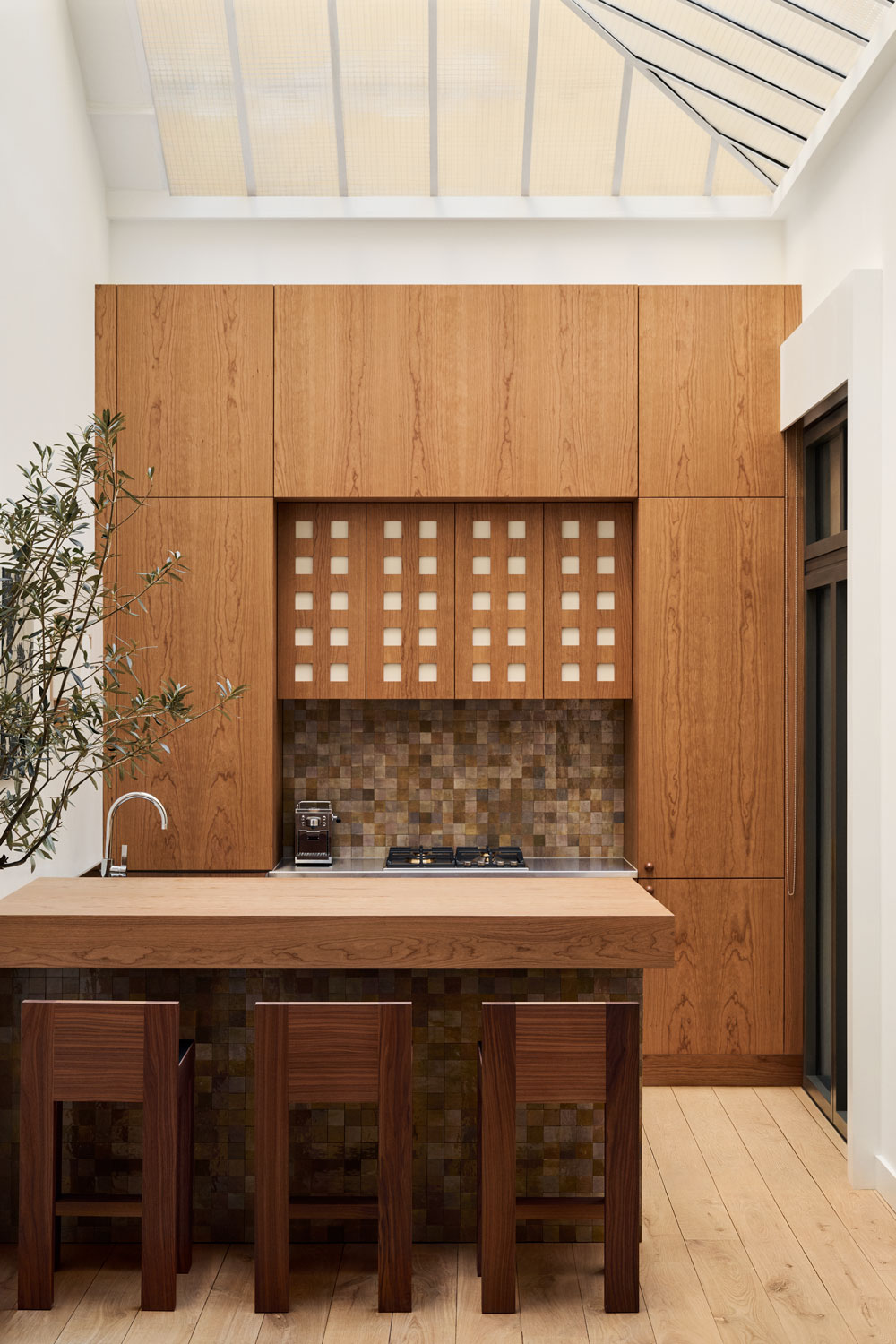
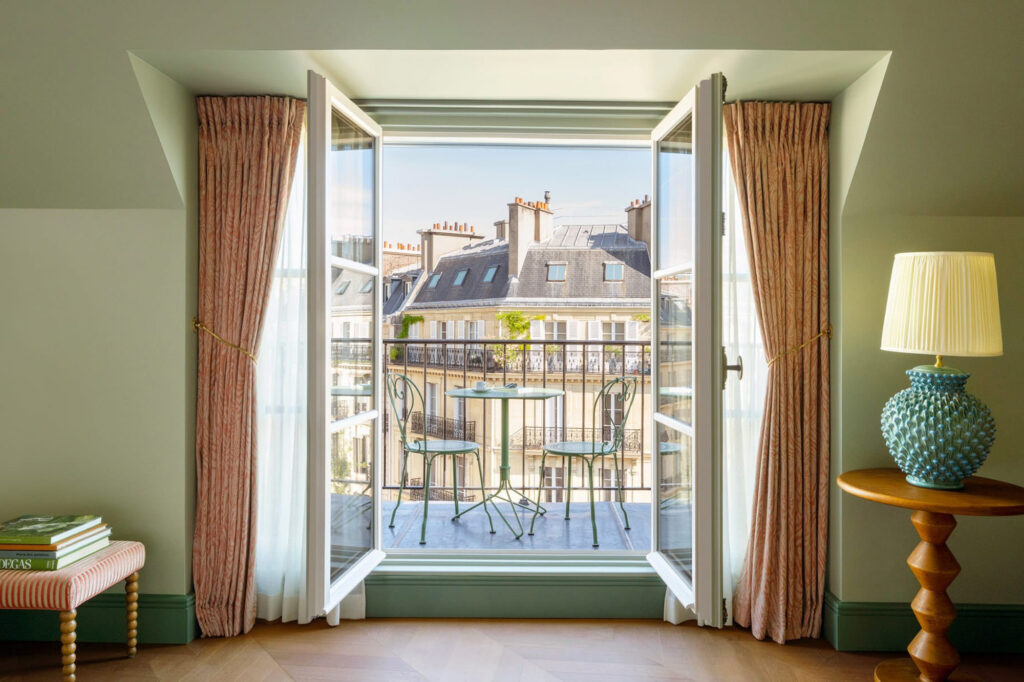
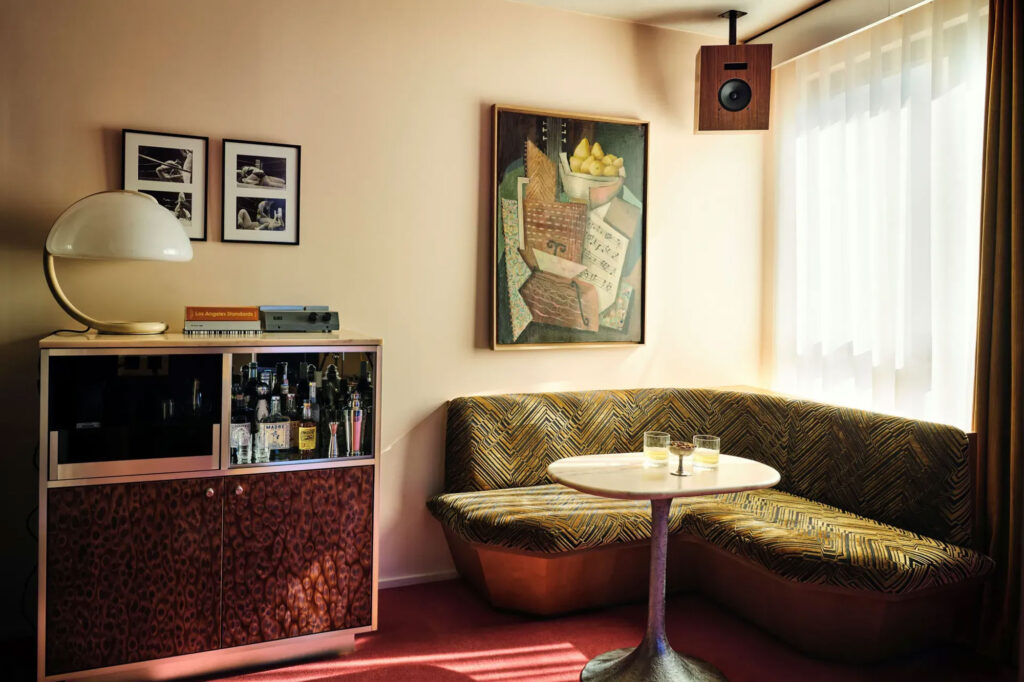
Le Marais is Paris with its layers showing: former marshland, aristocratic quarter, Jewish heartland, LGBTQ+ history and a fashion-and-gallery circuit packed into the 3rd and 4th arrondissements. The name means “the marsh”, but the soul is density. This A–Z is our insider edit of the places that make Le Marais tick.
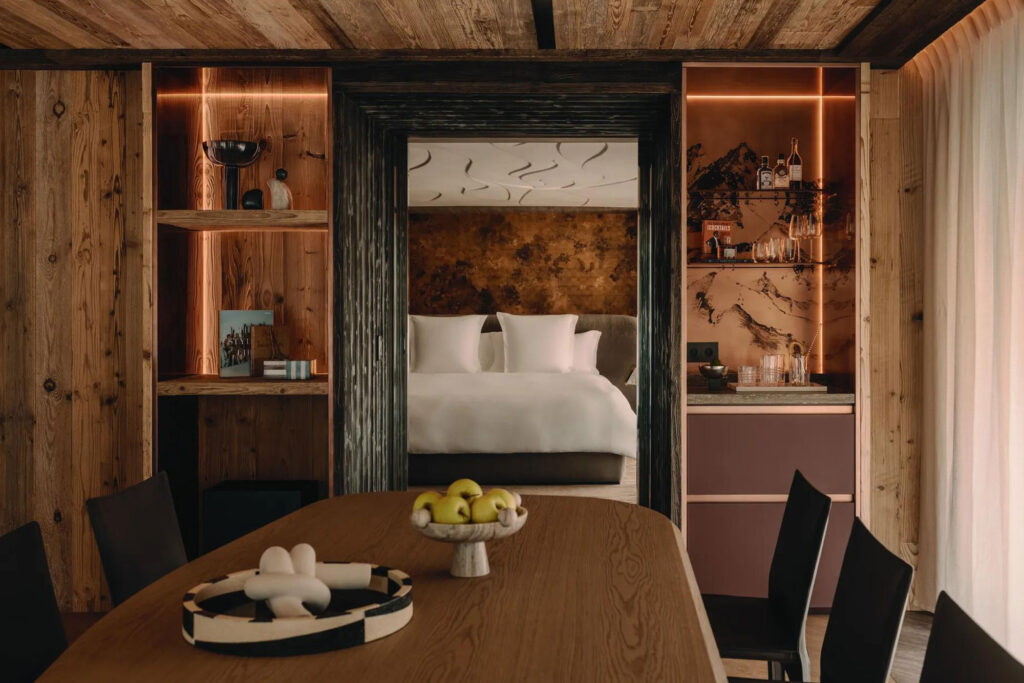
Paris has no shortage of beautiful hotels, but Experimental Marais isn’t trying to impress with grandeur – it’s here to make you feel at home, in the most distinctly chic way possible. Set in a 17th-century hôtel in the heart of the Marais, this flagship hotel from the Experimental Group is everything the brand does best: impeccable taste, a buzzing social heartbeat and cocktails so good they’ve redefined drinking culture. French designer Dorothée Meilichzon has woven together textures and tones that feel both effortless and intimate – arched doorways, sculptural lighting and a warm, intimate palette of mustard, deep green and soft neutrals. The real soul of Experimental Marais lives in its bar and bistro. By day, the restaurant serves classic produce-driven French dishes. By night, the dimly lit cocktail bar fills with locals and in-the-know travellers. The drinks? Pure alchemy – elegant, unexpected, always a little playful.
Hôtel Le Grand Mazarin gives Le Marais a hotel that understands the neighbourhood as salon, stage and social address. Maisons Pariente’s first Paris property sits by Rue des Archives and Rue de la Verrerie, close to Hôtel de Ville, with 61 rooms shaped by Swedish interior designer Martin Brudnizki and his studio MBDS. The look pulls from aristocratic townhouses, literary salons and French craft: tapestry canopies, Pierre Frey fabrics, Pinton rugs, bronzework by Maison Lucien Gau and an underground pool below a Jacques Merle fresco. Boubalé, by Israeli chef Assaf Granit, ties the hotel back to the Marais’ Jewish history through Ashkenazi cooking.
Maison Proust turns a tree-lined street in Haut Marais into a private literary salon. The 23-room hotel is the third Paris address from Collection Maisons Particulières, founded by Sylviane Sanz and Yoni Aïdan, and was designed by Jacques Garcia as a Belle Époque tribute to Marcel Proust’s social and artistic world. Each room or suite is named after a figure from that orbit, with painted walls, heavy textiles, collected objects and theatrical colour doing most of the storytelling. There is no big lobby scene; the point is the bar, library, winter garden and Spa La Mer, with its Moorish-style pool, hammam and sauna below stairs.
Bar Nouveau in Paris’ 3rd arrondissement is a striking fusion of Art Nouveau elegance and brutalist edge. Designed by Amélie Dupont, the main floor showcases organic curves and intricate motifs that nod to the iconic 1900s style, while the basement starkly contrasts with raw, minimalist brutalism. The bar’s signature drink, Gustave, is a clever homage to the Art Nouveau movement. Upstairs, it’s served as a refined Old-Fashioned, featuring olive vodka and raicilla. Downstairs, it’s reimagined as an avant-garde tequila-soda, blending chamomile cordial with a bespoke tequila distillate. This innovative duality in both design and mixology makes Bar Nouveau a true Parisian gem.
Café Kitsuné Vertbois in Paris is a unique establishment that combines a coffee roastery with a tasting area, enhancing the coffee experience with expert-led workshops. Located on 30 Rue du Vertbois, this café features an artisan roaster who crafts distinct coffee blends using beans like Brazilian Mococa and Guatemalan La Libertad. The interior blends rustic stone walls with Japanese-inspired oak panels, surrounding a professional roasting setup. Alongside coffee, the menu includes pastries, juices and ice creams.
Brothers Charles and Raphaël Corrot have elevated the Parisian coffee ritual into an Art Deco dream. In a former crèmerie at 51 rue des Francs‑Bourgeois, Uchronia’s design combines marble façades – complete with the words beurre and œufs – with sleek brass counters and graphic tilework. Their in-house roastery sources single-origin beans from Ethiopia, Costa Rica and Colombia, roasting each lot in small batches to highlight floral notes or chocolate undertones. We recommend the Slow Dance blend – nutty with a hint of orange peel – and the seasonal cold drip, slow-filtered over 12 hours. Pastries from a nearby boulangerie – almond croissants dusted with powdered sugar and flaky kouign-amann – pair perfectly.
Near République, Calcifer turns wood fire into the organising principle without letting smoke flatten the cooking. The restaurant comes from Antoine Rollin, whose dining-room background runs through L’Espadon at the Ritz, Le Gabriel, Bistrot Flaubert and L’Hémicycle. In the kitchen, Italian chef Gaetano Carpinelli brings training from Jérôme Banctel, Giovanni Passerini and Maison Troisgros. The menu moves close to flame: oysters with beef fat and bergamot, anchovies on grilled bread with seaweed butter, turbot with pil pil, cochinillo, aged txuleta and an orange-curd beignet.
Known for its unique entrance through an unmarked red door, reminiscent of Prohibition-era speakeasies, the Little Red Door welcomes guests into a cosy, intimate world. Dark wood panelling, leather banquettes and dim lighting create an inviting atmosphere. As a consistent feature in The World’s 50 Best Bars list, it stands out for its commitment to sustainable bar practices, with a farm-to-glass approach that brings producers and cocktail crafters together. Drinks like Melon, Apple, Holy Basil and Olive are not only creatively named but also crafted using modern techniques, showcasing the bar’s dedication to both tradition and innovation.
Chef Erica Paredes (you may know her from Reyna) has opened her second Paris address. Paredes has given the Haut-Marais a jolt with Mischief – a dining room full of personality and dishes that trace her Franco-Filipino roots without slipping into nostalgia. Trained at Le Cordon Bleu and further refined in Italy, Paredes is best known for her playful culinary curiosity and deep respect for memory. At Mischief, she leans into childhood inspiration. On the menu you’ll find dishes like fried chicken with butter sauce, langoustine ravioli and our favourite, the oyster bao with gochujang mayo. Beyond food, the space itself is meant to feel warm and textured. Designers from Studio Artpill favoured terracotta walls, soft curves and layered surfaces.
This Parisian merges historical charm with modern coffee culture, making it a standout in the bustling 3rd arrondissement. Partisan Café Artisanal is a true delight with its industrially chic ambiance and a menu that caters to coffee aficionados and casual drinkers alike. The owner, Georges Karam, brings a physicist’s precision to the craft of coffee, offering both Italian blends and New Wave single-origin beans that are roasted in-house. In the evenings this café changes its guise and turns into a bar, serving wines, beers, and champagnes accompanied by artisanal cheeses and charcuterie.
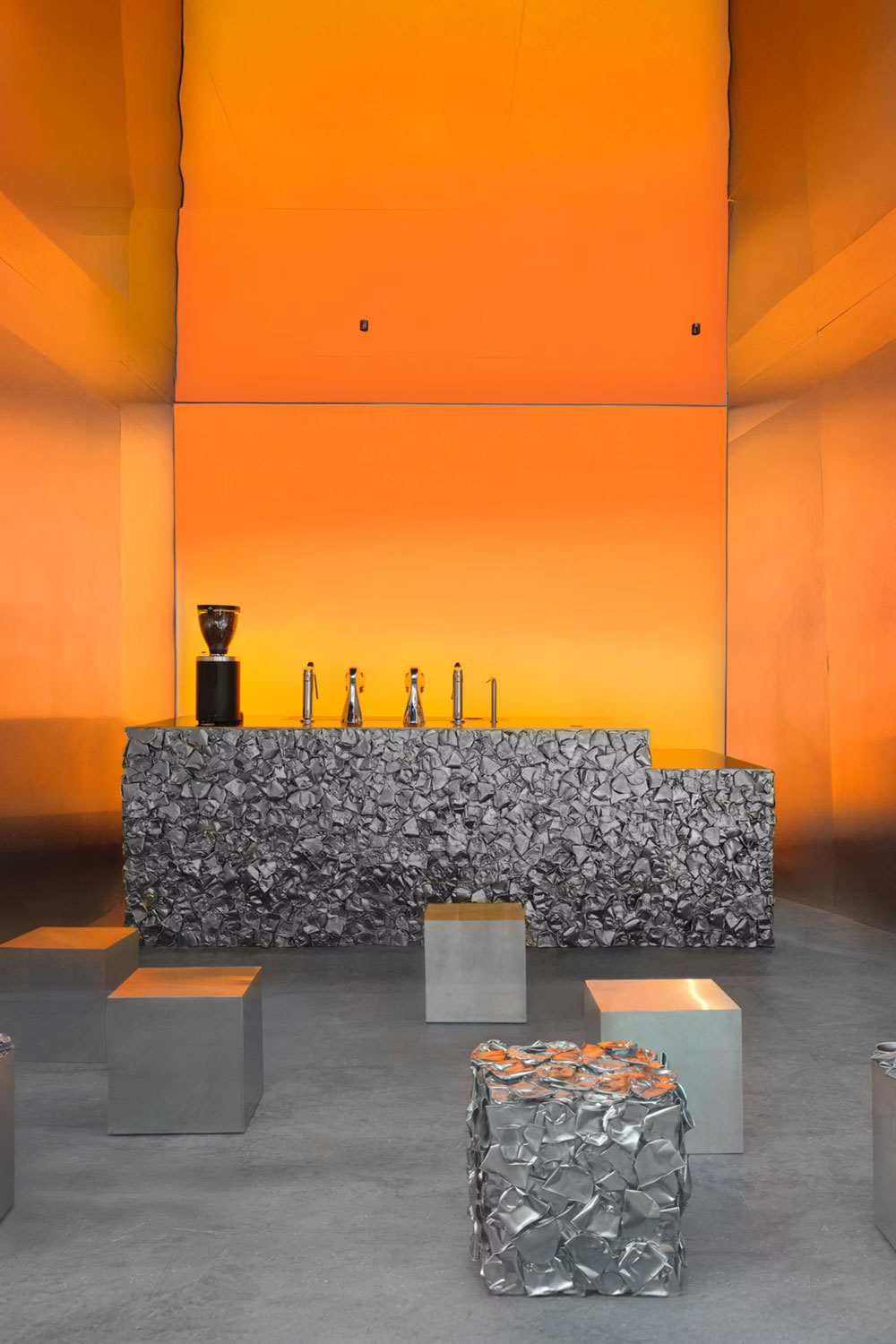
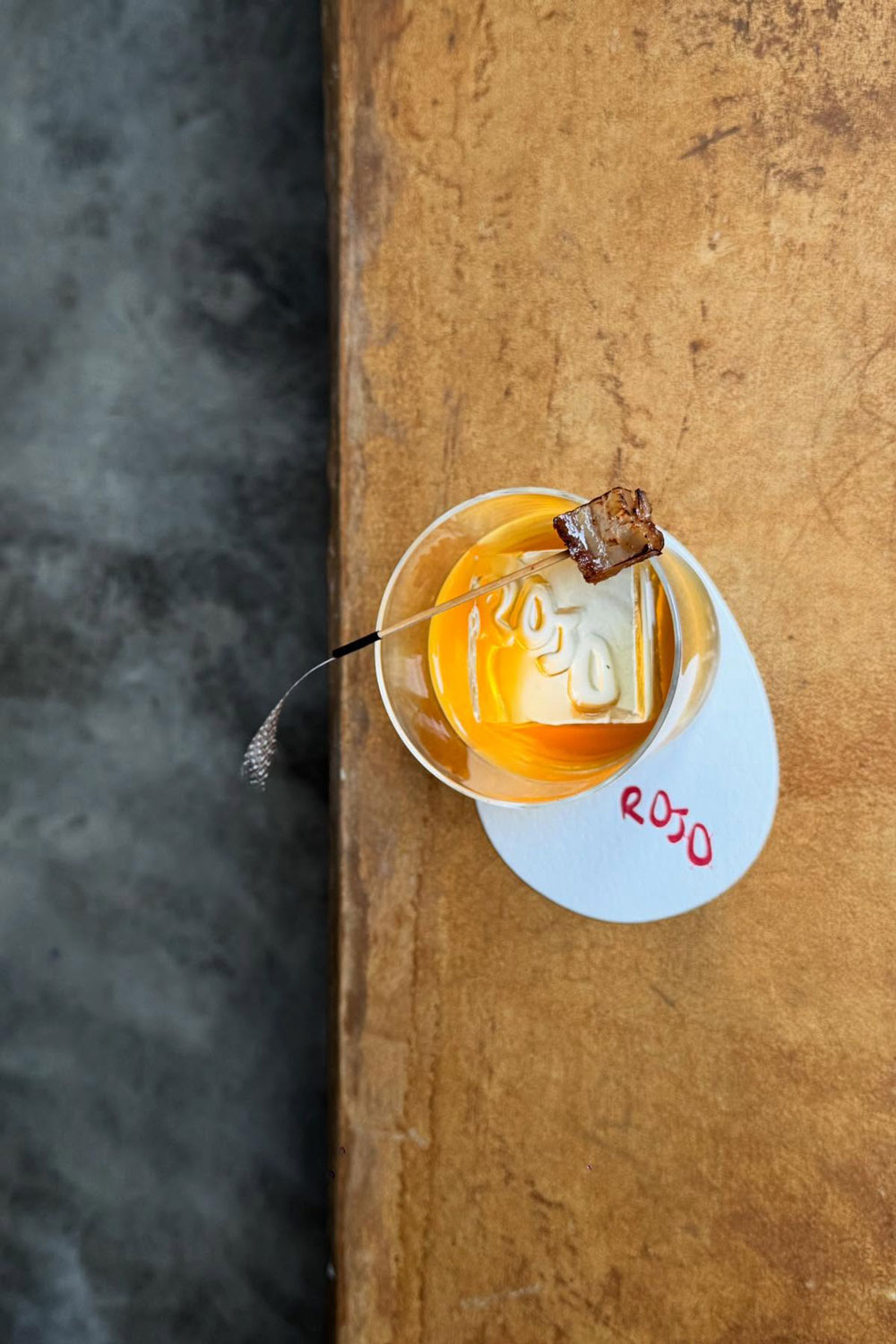
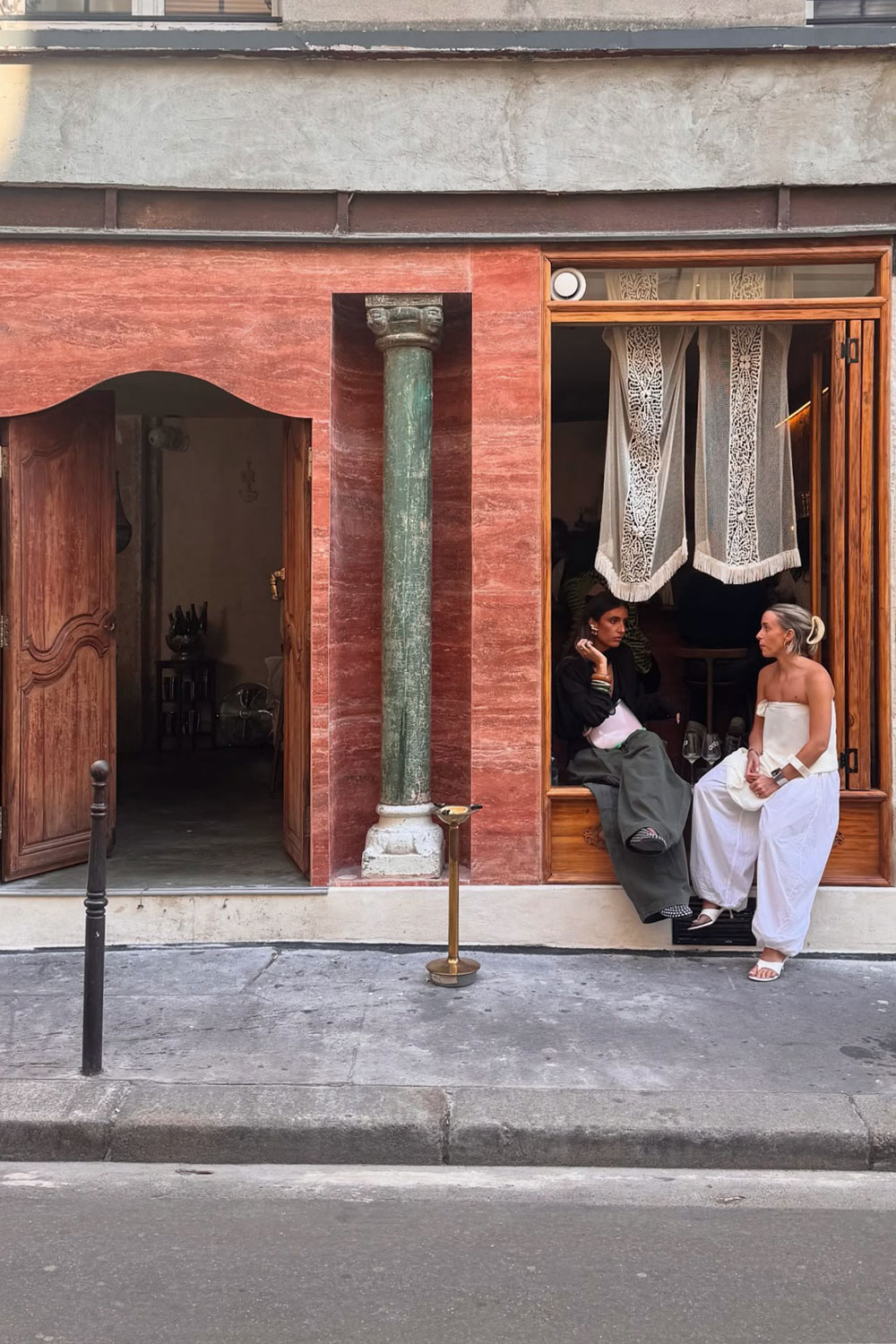
Rojo treats the egg as a house code, not a brunch gimmick. Opened in February 2025 by Yunyun Gui, also behind nearby Sevenly Heart, the Haut Marais bar and tapas counter sits behind a grand wooden door on Rue de Beauce, close to Marché des Enfants Rouges. Inside, lime-plastered walls, marble columns, candlesticks, fireplaces and a pink-ochre stone bar push the room towards theatrical salon. The cocktails keep the egg jokes going with names such as Eggs-boyfriend and Egg-cellent, while the food is loose, Japanese-leaning and snackable: oden in dashi, karaage, Padrón peppers with chorizo and parmigiano, rice-paper prawn tempura and crème brûlée.
In Paris’ Marais district, The Cambridge Public House, opened in 2019, ingeniously merges the warmth of a local pub with the finesse of a high-end cocktail bar. Founders Hyacinthe Lescoët and Hugo Gallou have elevated the classic British pub, offering Guinness, live sports and delightful sausage rolls. The Cambridge Public House is committed to sustainability, evident in its menu which reflects the bar’s ethos, changes regularly with seasonal produce. A highlight is the continuously reinvented Summer Cup, now in its fifth rendition. This establishment embodies tradition and transition, seamlessly blending its reverence for classic influences with a pioneering spirit, redefining the essence of contemporary pub culture.
Photography courtesy of The Cambridge Public House
00
White
Paris, France
White café in the Marais district, is a destination for coffee aficionados. It operates daily, starting from early morning, with an inviting atmosphere ideal for casual visits or work sessions. The café is known for its commitment to quality coffee and we really appreciate their offering of a variety of brews including espresso, filter coffee and cold brew. Patrons can also choose from plant-based milk alternatives and vegan options are available to cater to all dietary preferences. The setting is a relaxing spot for both local residents and tourists exploring the historic Marais area.
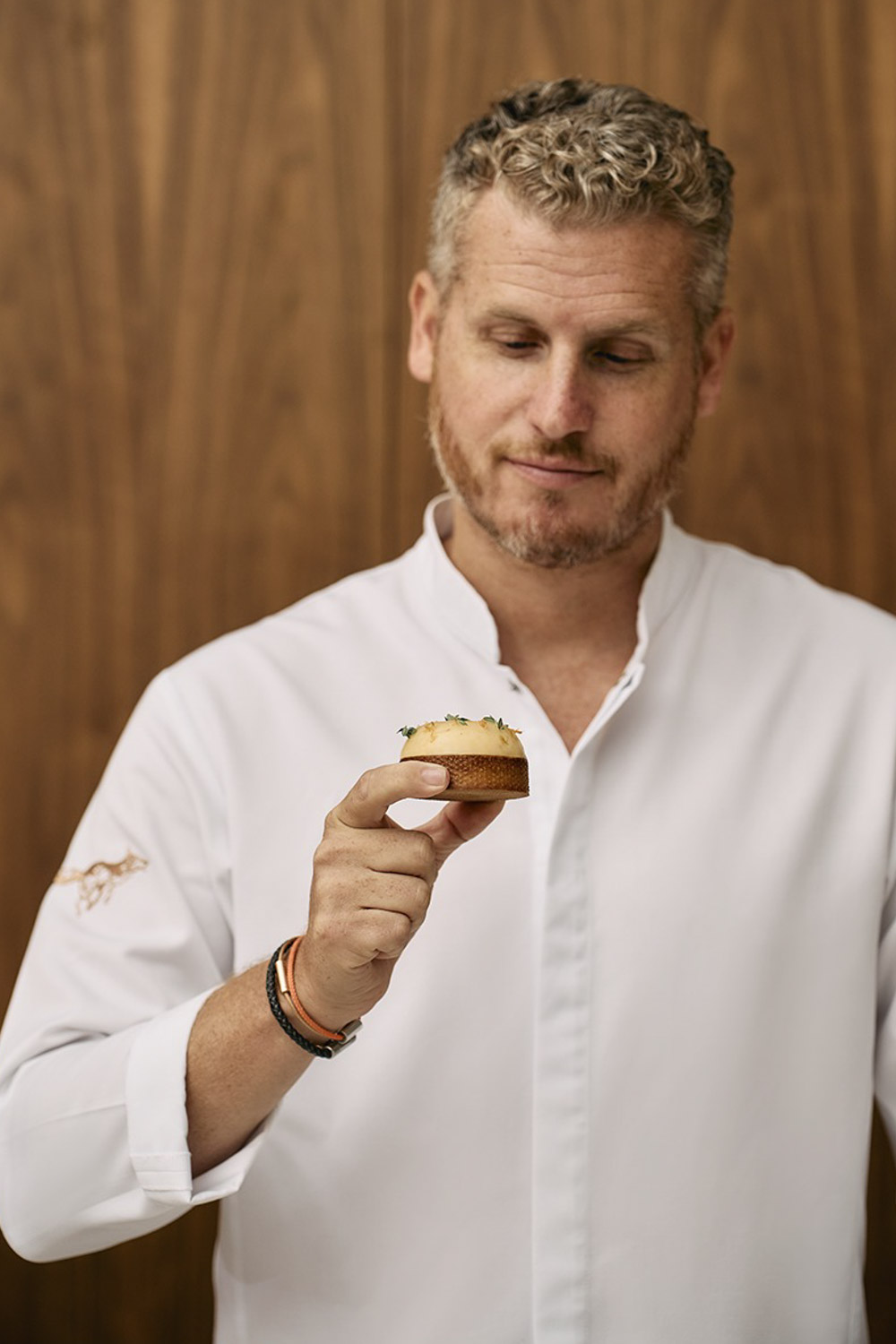
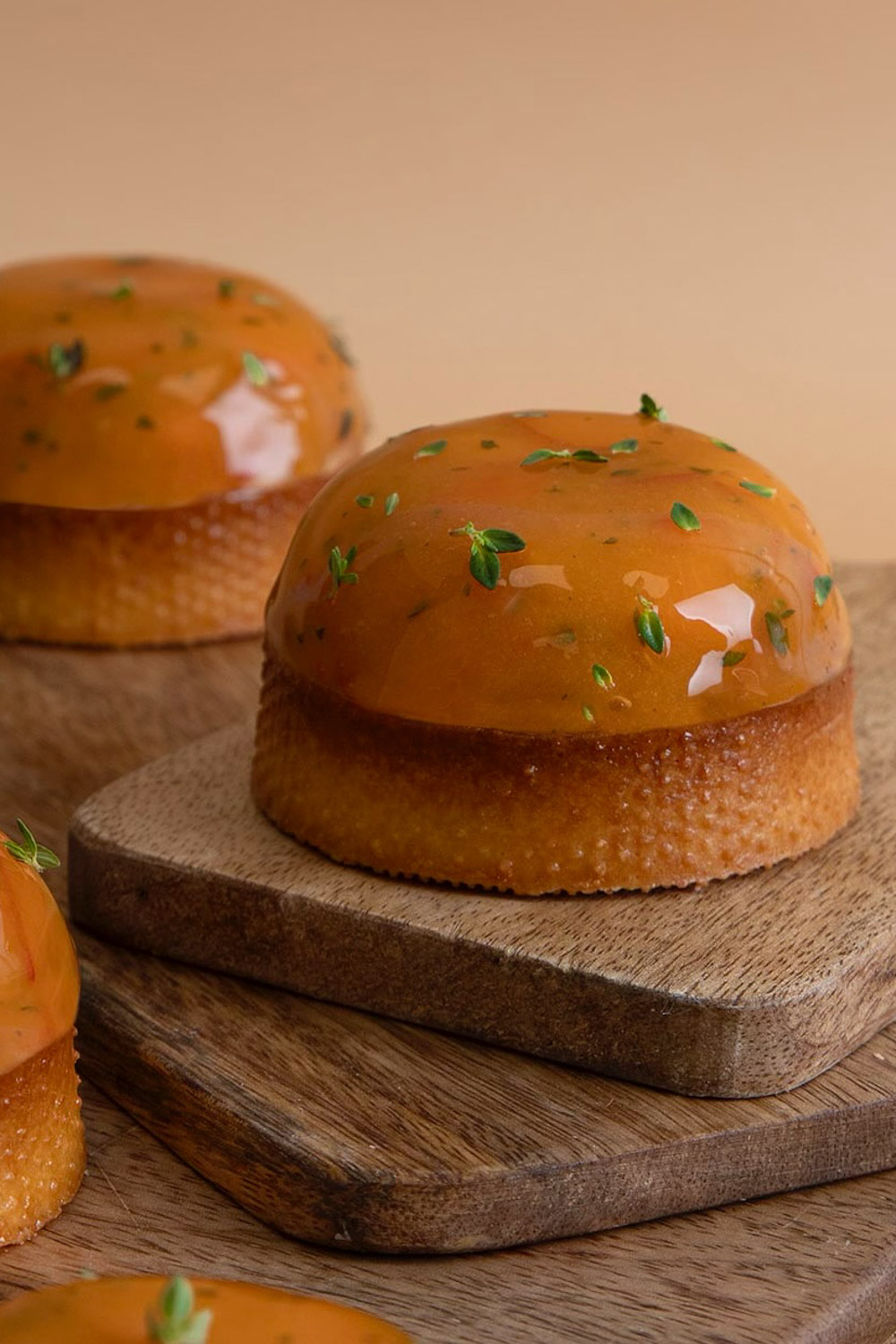
Yann Couvreur operates with a highly recognisable visual language that never slips into chaos. This is pastry design driven by consistency and restraint. We love Yann Couvreur’s Marais outpost, which represents Parisian pâtisserie at its most polished. The copper-and-plant-filled interior reflects the herbaceous flavour notes in his creations. Couvreur’s bakery made its name on Instagram with pastry art. While his famed mille-feuille now lives abroad, his Paris-Brest is a Paris classic here. A ring of choux filled with intensely hazelnut-praline cream, strewn with caramelised nuts. Other staples include fruit tarts, delicate éclairs and seasonal entremets that all show Couvreur’s trademark consistency. Even everyday items carry his signature, like the subtle Ispahan croissant available in rose, lychee and raspberry.
Since its arrival in 2009 at 111 Boulevard Beaumarchais, Merci has become a reference point for those who want lifestyle shopping minus the predictable razzle-dazzle. The original location occupies a former 19th-century workshop building, with soaring ceilings and a bright covered courtyard. There’s plenty of space to browse furniture, design books, fashion and homeware all under one roof.
Located at 5 rue de Picardie in the Haut-Marais, Empreintes is all about French craftsmanship and objects that carry a maker’s mark. The store occupies a multi-floor 1930s building and houses nearly one thousand items by artisans working in ceramics, metal, textiles, glass and jewellery. On the ground and first floors you’ll find rendered tableware, lighting and accessories. Upstairs there’s a gallery and a film screening room devoted to craft. What we love most is the atmosphere, it feels like you’re stepping into a design studio rather than a shop. For the design-savvy traveller, this store is gold.
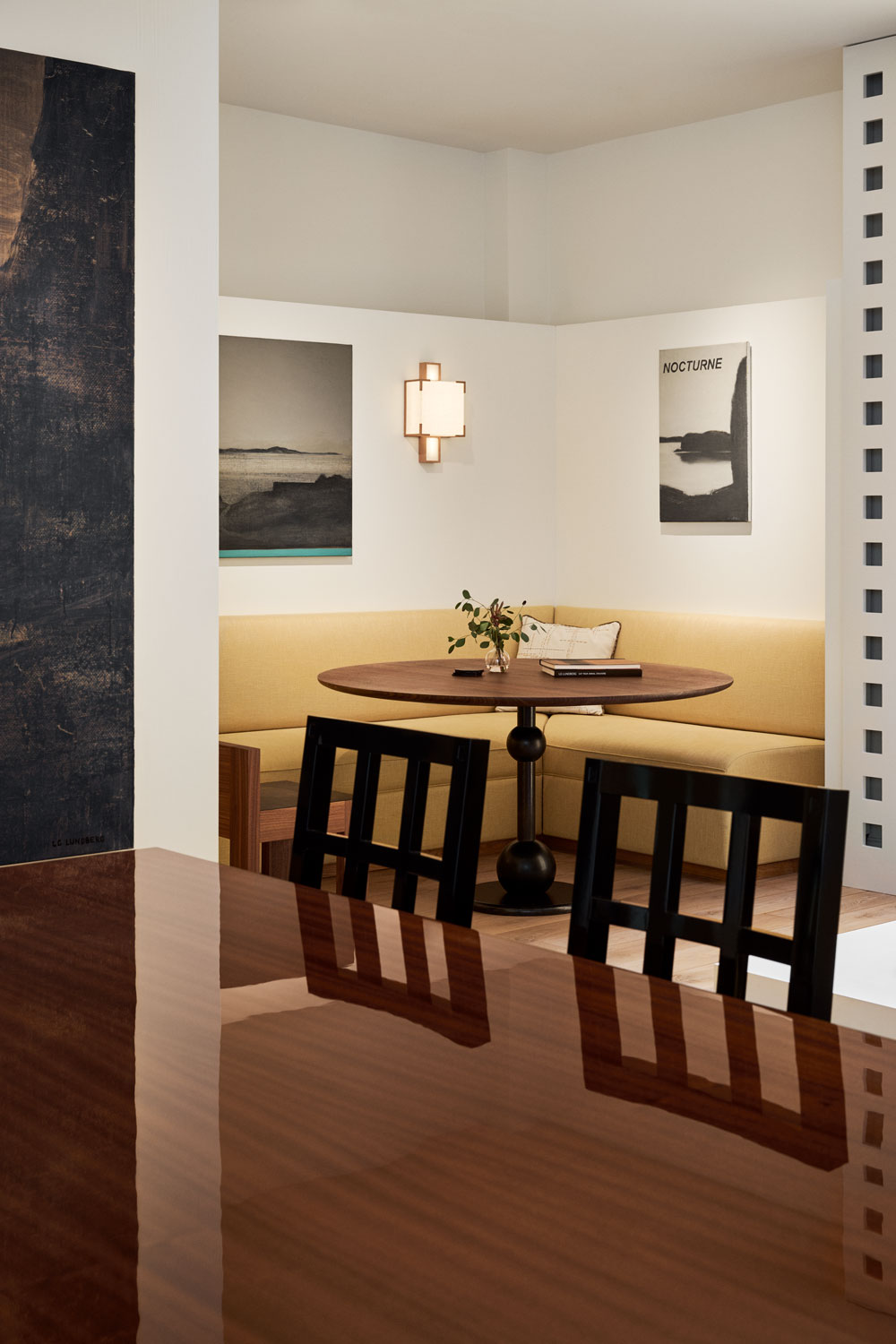
A showroom-gallery hybrid in Paris neighbourhood Le Marais gives Veermakers its first foothold in the city, and the setup is tighter than a standard furniture display. Most of the collection is shown together in a curated setting, with rotating exhibitions by Scandinavian artists and a debut presentation of works by Swedish painter LG Lundberg. Louise Liljencrantz, co-founder and creative director, uses the space to stage the brand’s furniture the way it is meant to be experienced – up close, with materials and detail doing the work. Watch for the first dining chair, made in high-gloss, black-stained beech, and the sense of craft that comes from Veermakers’ own joineries.
Musée Carnavalet is where Paris keeps the evidence: rooms, signs, staircases, paintings, furniture and fragments of vanished streets. Set across Hôtel Carnavalet, a 16th-century Marais mansion later completed by architect François Mansart, and Hôtel Le Peletier de Saint-Fargeau, built in 1688 by Pierre Bullet, the museum traces the city from archaeology to the present. The 2021 renovation by Chatillon Architectes, Snøhetta, Agence NC and Nathalie Crinière made the route clearer without stripping out the buildings’ odd corners. See the Hôtel de Luynes staircase murals, Alphonse Mucha’s Fouquet jewellery shop, Marcel Proust’s bedroom, Revolutionary material and the courtyard gardens.