An insider’s guide to the must-see sights in Porto
Porto is one of those cities in Norte, Portugal, that seems instantly familiar, even on a first visit. The riverfront, the tiled churches and the iron bridge cutting across the Douro all feel iconic. But familiarity can be deceptive. These landmarks are photographed endlessly, often experienced quickly and just as often misunderstood. Seeing Porto well means slowing down and shifting perspective. It means looking at engineering as sculpture, religious buildings as living spaces and museums as part of the landscape rather than destinations in isolation. This guide takes Porto’s most famous sights and approaches them from a unique perspective. Through architecture, timing, vantage points and the way locals navigate the city. The aim isn’t to avoid the classics but to experience them with intention.
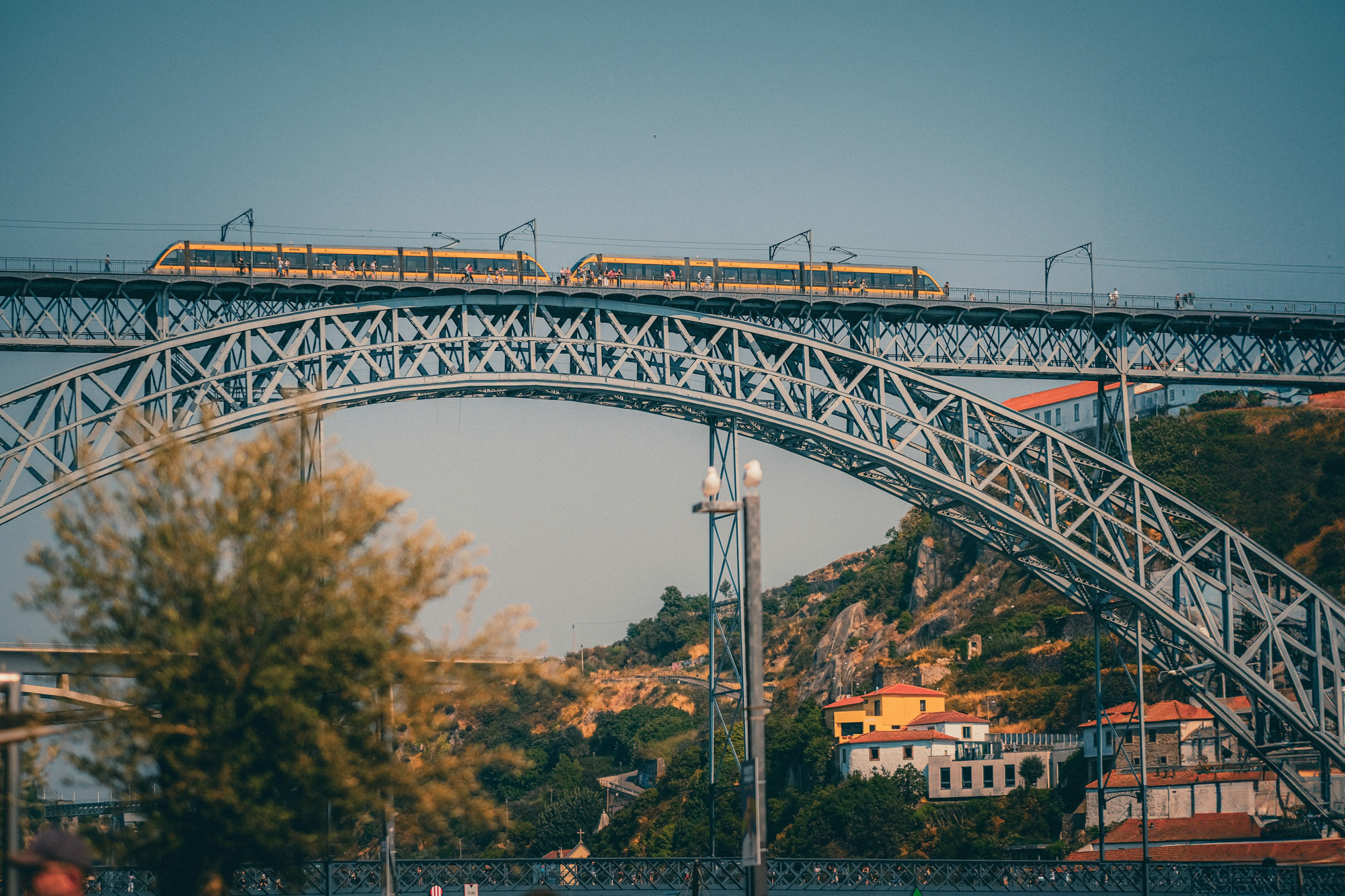
A walk over the Dom Luís I Bridge is a Porto must. This iron double-deck bridge was constructed between 1881 and 1886 by engineer Théophile Seyrig, a former partner of Gustave Eiffel and was once the longest metal arch bridge in the world, with a 172-metre span. Most visitors cross at street level or take in the scene from Ribeira’s quay, but for a different kind of connection to the structure, head up onto the upper deck at golden hour. You’ll catch light spilling across the city’s red roofs and dancing on the water. This is the perfect time for photography without the midday crowds. The upper level also carries Porto’s Metro, so you can combine this stroll with a city transit experience. For another viewpoint, wander onto the Vila Nova de Gaia side and climb to the Jardim do Morro or Serra do Pilar terrace. Here you can see how the sweeping arch fits into Porto’s terraced hillside skyline.
Dom Luís I Bridge Porto Portugal
02
Porto Cathedral
Porto Cathedral sits high in the Batalha neighbourhood, its fortress-like facade dominating the skyline. Originally built in the 12th century with Romanesque roots, its architecture later absorbed Gothic and Baroque details, evidence of centuries of evolution in stone. Instead of just admiring its exterior, start inside with the cloister, where azulejo tile panels depict biblical scenes with astonishing detail. For a fresh perspective on the cathedral’s place in the city, explore the narrow lanes that wind down toward the river from the terrace just outside the entrance. From here, you’ll find unexpected peeks of the Douro and neighbouring rooftops and at sunrise the calm light and mist can lend the historic stone a softer, almost painterly quality.
Porto Cathedral Terreiro da Sé Porto Portugal
03
Chapel of Souls
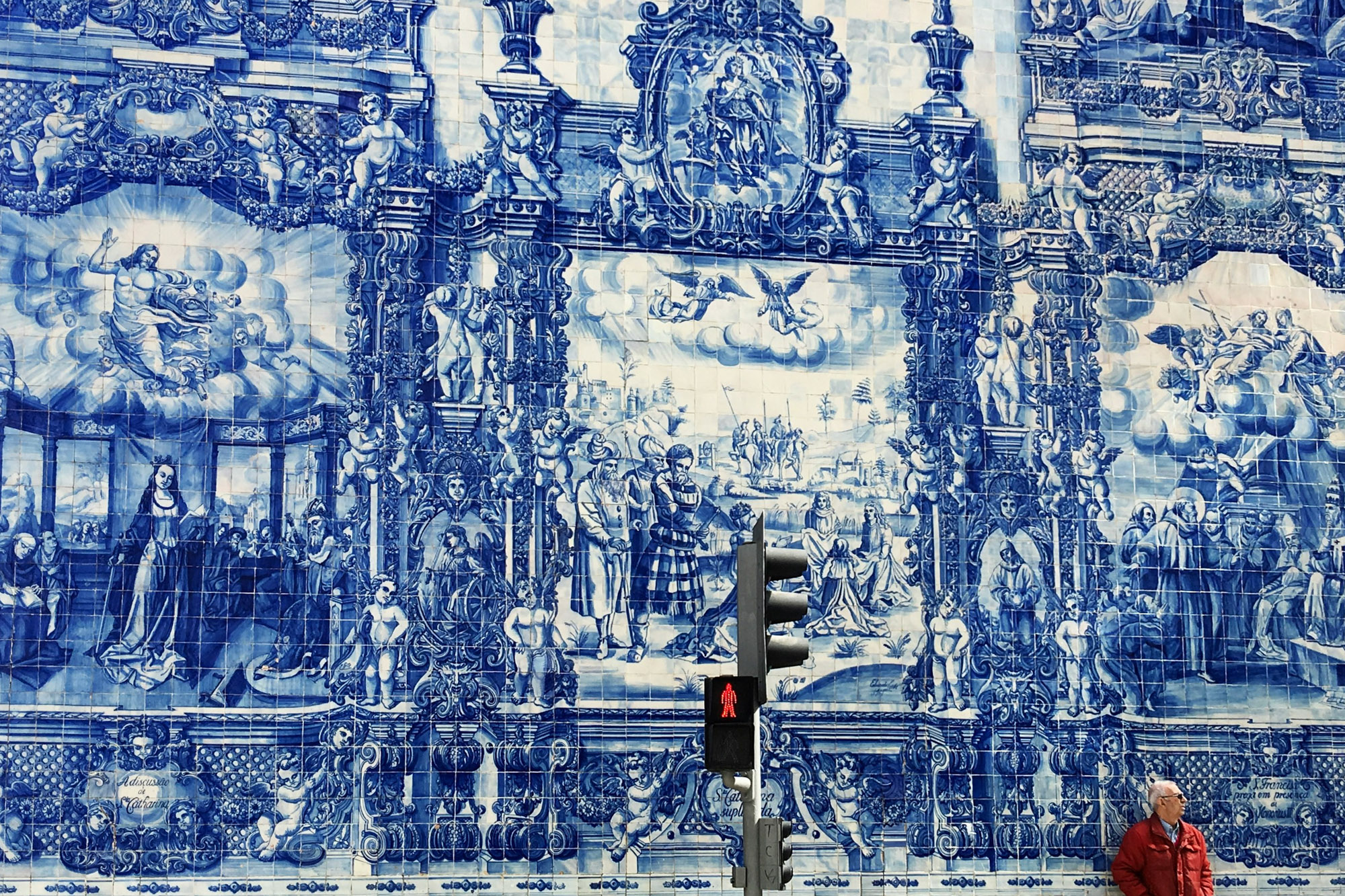
On bustling Rua de Santa Catarina, the Chapel of Souls stands out in a stream of shops and cafes. Its facade is covered in around 15,947 blue and white azulejo tiles that vividly portray the lives of Saint Francis of Assisi and Saint Catherine. A story of faith told through ceramics. Most travellers snap a quick photo before moving on, but take a moment to pause and watch the light change on the tiles throughout the day. Mid-morning sun brings out deep blues, while early afternoon casts warm tones on the scenes depicted in the tiles. Step inside for a quiet moment (admission is free) and appreciate how the simple, neoclassical interior contrasts with the detailed exterior. If you’re exploring Porto’s street life, consider timing your visit during a weekday morning when Santa Catarina is less crowded. The chapel takes on a reflective calm that’s easily missed amid peak foot traffic.
Chapel of Souls R. de Santa Catarina 428 Porto Portugal
04
Torre dos Clérigos
Rising above Porto’s rooftops, Torre dos Clérigos is the city’s signature vertical landmark. Designed by Nicolau Nasoni in the 18th century, the Baroque tower reaches about 76 metres and offers panoramic views once you’ve climbed its 240-plus steps. Rather than just ascending for the view, time your climb for an hour before sunset. The harsh daytime light fades and Porto’s tiled roofs, spires and the Douro take on warmer, deeper tones. For a different angle, wander around the tower’s base and explore the adjacent Clérigos Church and square. The church’s Baroque facade and the carving detail tell a different architectural story from what you’ll see at the summit, especially when approached from the quieter streets to the west.
Torre dos Clérigos R. de São Filipe de Nery Porto Portugal
05
Serralves Museum of Contemporary Art
Set apart from Porto’s historic core in its own verdant park, the Serralves Museum of Contemporary Art is a compelling way to see the city’s contemporary cultural pulse. Designed by Álvaro Siza Vieira and opened in 1999, the museum is as significant for its architecture as it is for its rotating exhibitions of Portuguese and international contemporary art. Instead of rushing through the galleries, intersperse your viewing with outdoor moments in the park. Sculptures and installations dotted through gardens and woodlands invite a different kind of discovery. Also, take some time to really look and admire the architecture. It’s a different kind of art than what you will find on the walls.
Serralves Museum of Contemporary Art R. Dom João de Castro 210 Porto Portugal
Photography courtesy of Serralves Museum of Contemporary Art