Choosing a Greek island is really choosing a crowd, a pace and a version of summer. Hydra, Sifnos, Serifos, Leros, Syros and Crete all ask different things of you: lunch-first appetite, cultural stamina, beach patience, car tolerance, social appetite or the will to disappear for a while without much explanation. Here’s what you need to know about island life in Greece.
Hydra is the island for people who like culture with salt on its skin. No cars, no beach-club sprawl, no easy resort choreography: just a harbour full of stone mansions, rocky swims, artists’ houses, small galleries, odd collections, old captains’ money and a public evening scene that gets sharper after dark. Its merchant fleet helped fund the Greek War of Independence, and that self-possession still lingers. Come for art that feels lived-in rather than staged, bohemian without being scruffy and sleek without losing its strangeness. Avoid it if you need soft sand, smooth logistics or privacy at every turn.
Sifnos is for people who check what’s on the meny before hitting the beach. The island has Cycladic looks, but its real language is appetite: clay pots, slow stews, chickpeas, capers, bakeries, village steps and ceramics that make lunch feel like a civic act. Ancient Sifnos grew rich on gold and silver mines, rich enough to build a treasury at Delphi in the sixth century BCE. Later it gave Greece Nikolaos Tselementes, the cookbook writer whose name still stands for domestic cooking. Come hungry, patient and slightly nosy. Leave if you need a scene that shouts before dinner.
03
Serifos For stripped-back Cyclades
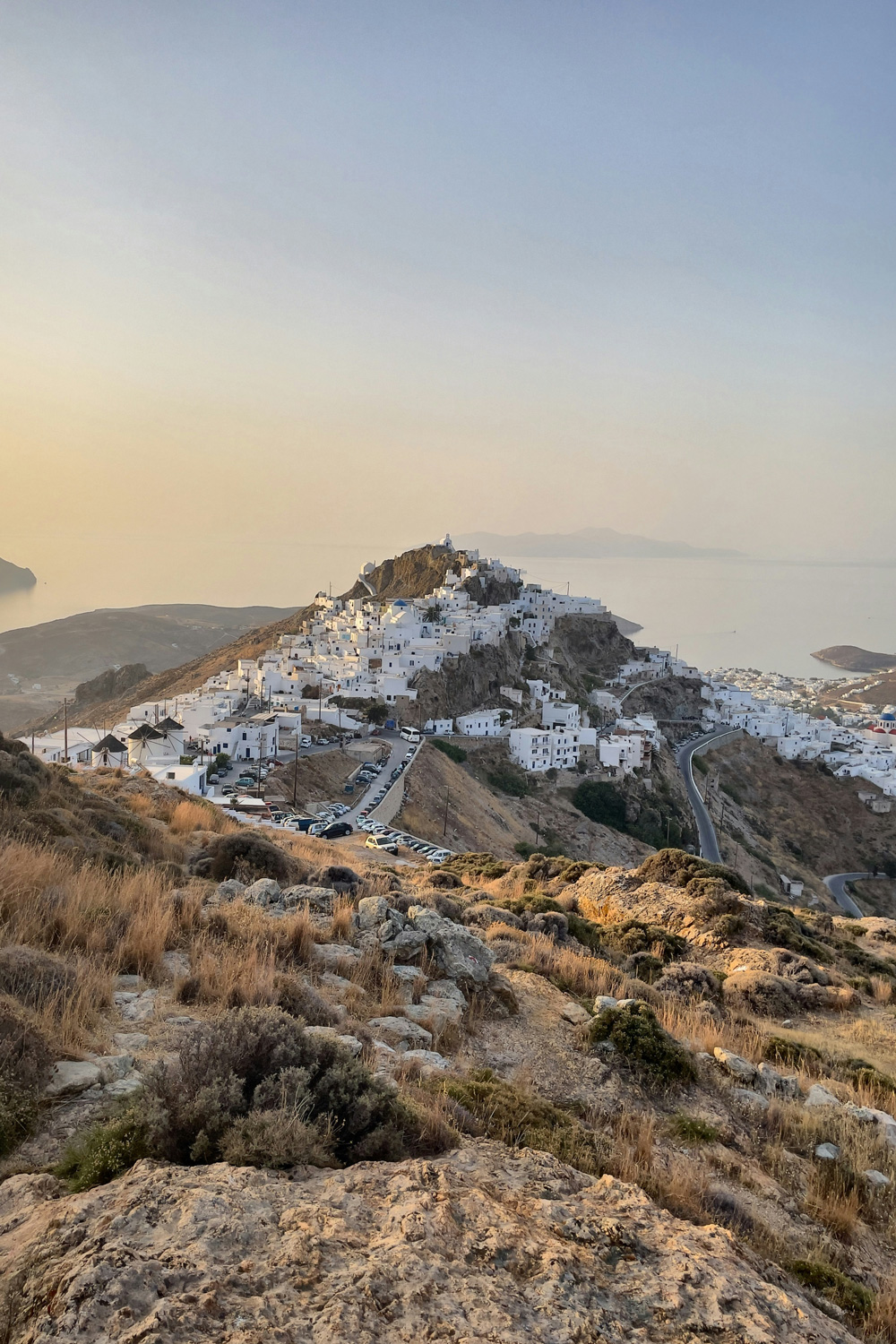
Serifos is the island for people who like their Cyclades with the soft-focus filter switched off. It is dry, rocky, windy and a little severe, with steep roads, hard light and old mining scars cutting through the beach fantasy. The iron mines at Mega Livadi and Koutalas shaped the island’s modern history, and the 1916 miners’ strike became a landmark fight for the eight-hour working day. Serifos still feels more worked than styled. Come for salt, stone and a mood that does not flatter you. Skip it if your idea of summer needs padding, poolside service or applause.
04
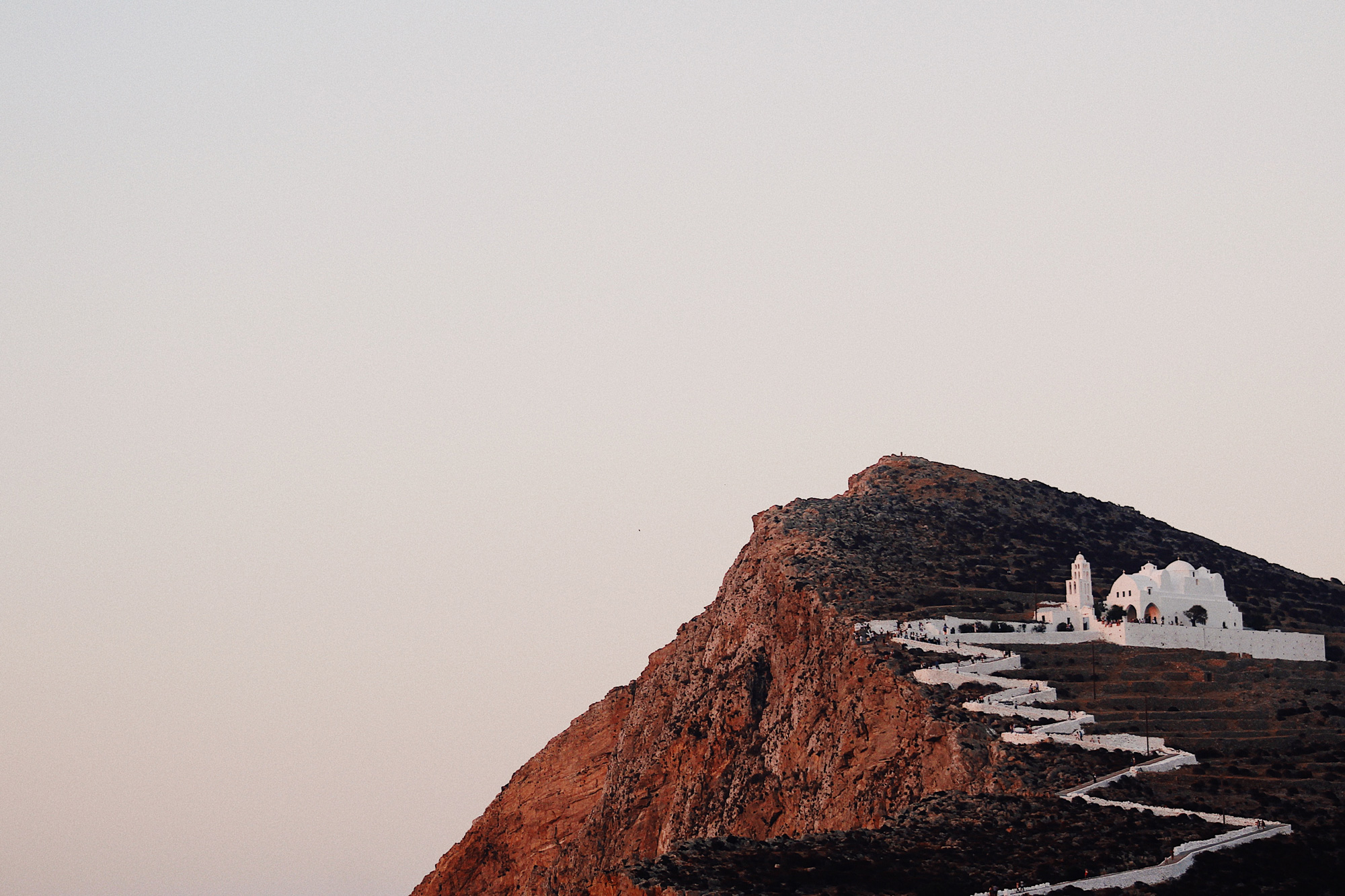
Folegandros For cliffs and quiet
Folegandros is for travellers who think a little inconvenience is good for the mood. The island has cliffs, wind, whitewashed lanes and a smallness that turns scarcity into character. Its old fortified quarter grew from the need to protect residents from raids, with houses pressed into the defensive fabric rather than displayed as scenery. That inwardness still suits it. Folegandros is not for shoppers, scene-chasers or anyone needing three plans before lunch. Come for the slow climb, the hard light, the feeling of being held at the edge. Leave the itinerary addiction on the ferry.
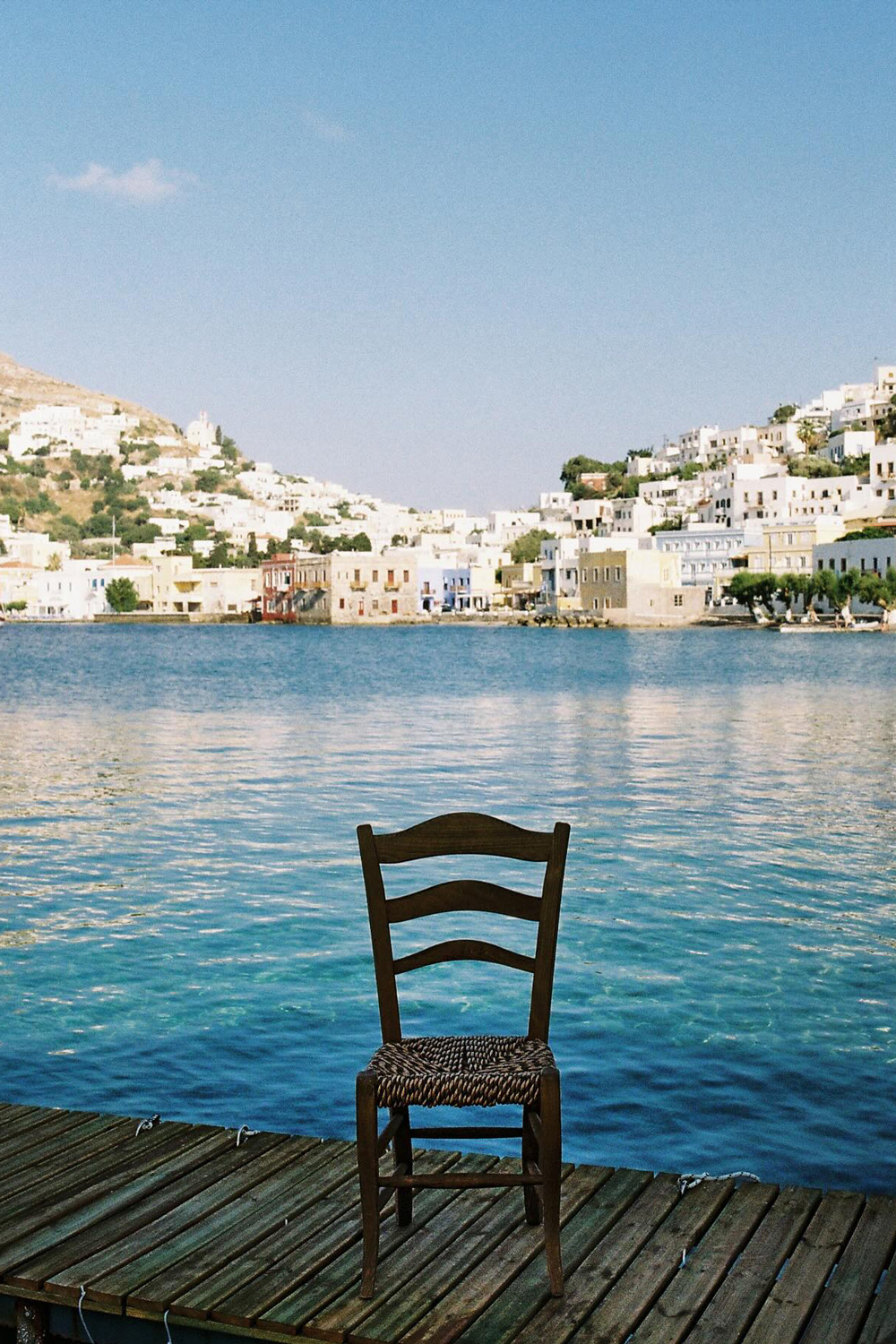
Leros is for those who find perfect Greek islands slightly suspicious. Its charge is in the wrong-footed details: Italian rationalist buildings, deep naval bays, fishing-harbour calm, war memory and a town that can look like a fascist film set after a long lunch. Lakki, originally Porto Lago, was built in the 1930s during the Italian occupation of the Dodecanese and remains a rare rationalist urban experiment in Greece. The Battle of Leros followed in 1943, adding another bruise to the island’s architecture of control. Go for discomfort, angles and odd beauty.
06
Tinos For craft and villages
Tinos is where good taste has to behave around devotion. Pilgrims still arrive for the island’s famous church, while design-minded travellers drift through marble villages pretending they came only for the architecture. The dovecotes, chapels and carved lintels are everywhere, but nothing feels placed for your moodboard. This is the Cyclades with dust on its shoes: craftsmen, priests, farmers, sculptors, summer houses and wind that keeps the island from getting too pleased with itself. Its marble craft is UNESCO-recognised, but Tinos wears that lightly. Ideal if you like beauty with backbone. Exhausting if you need everything curated.
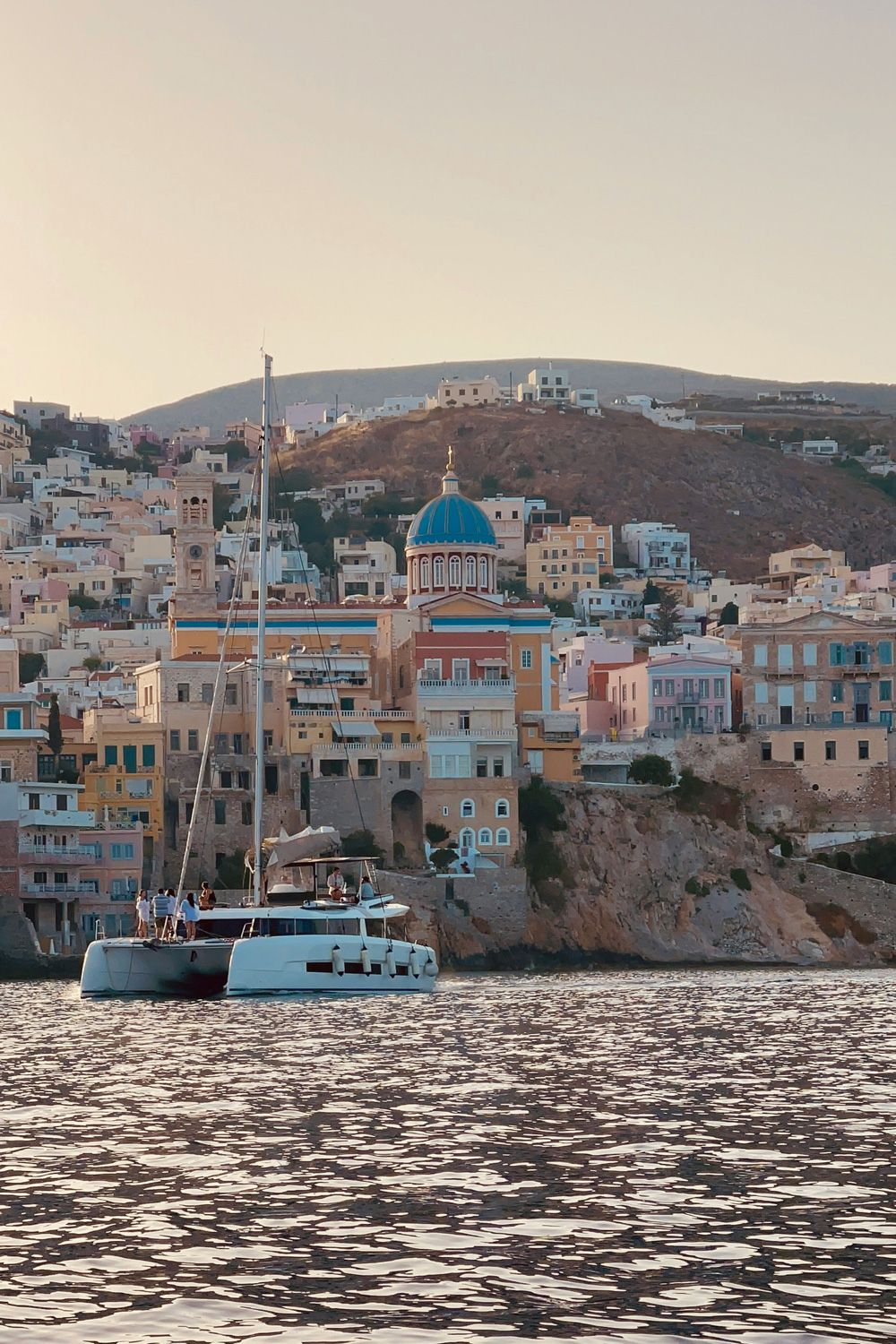
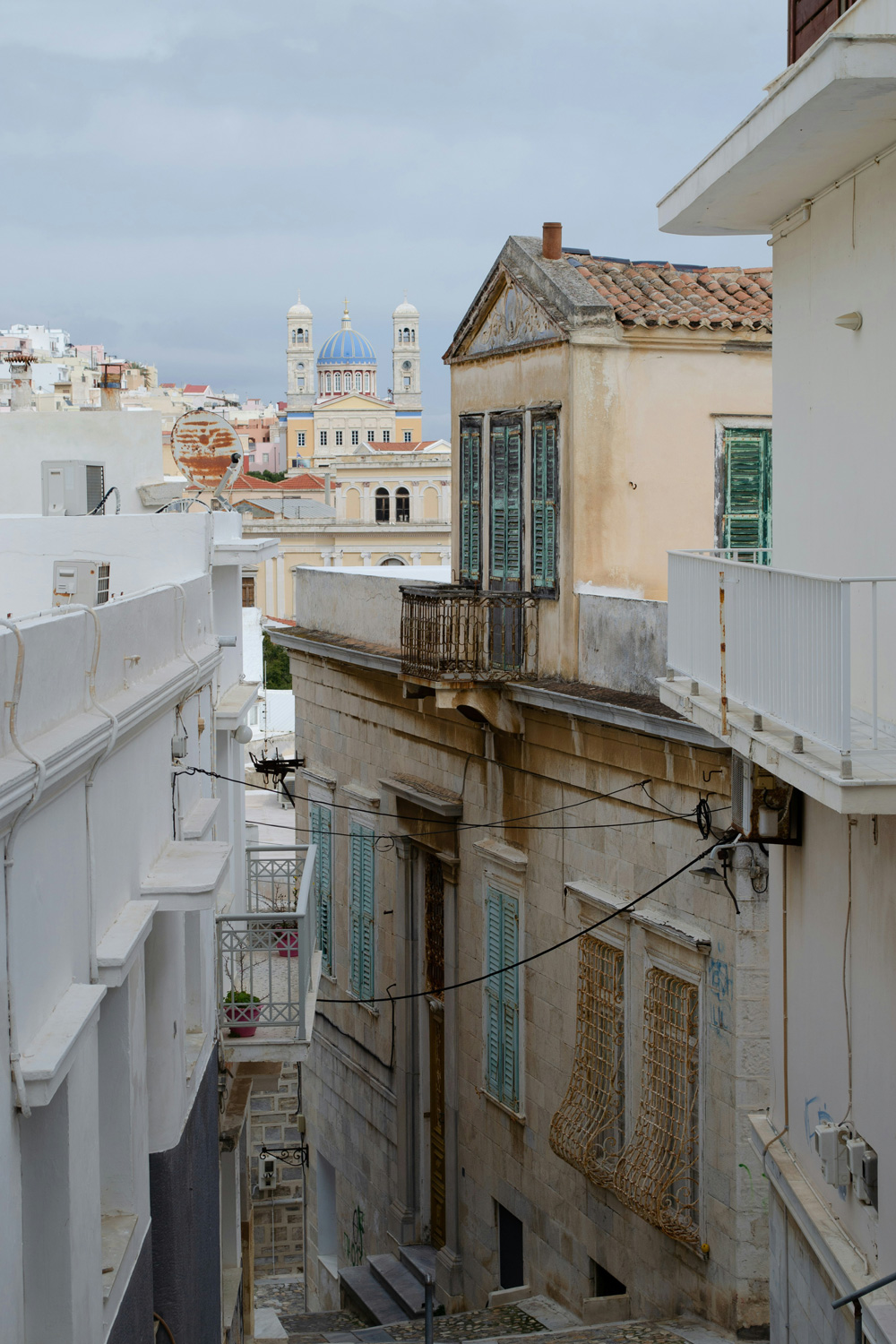
Syros is for those who secretly want an island with pavements, not just beach dust. It has courts, theatres, shipyards, marble squares, Catholic hills, Orthodox domes and a capital that behaves like a small city with the sea attached. The island grew fast in the nineteenth century, when refugees from the Greek War of Independence helped turn it into a major trading port. That civic confidence still shows. Syros is social, cultured and slightly proper, with enough real life to cut through the summer performance. Perfect if you like Greece with architecture and manners.
08
Paros For a more polished Cyclades
The trap with Paros is how easily it behaves. Ferries work, villages look the part, beaches come in usable numbers and the island has enough social voltage to keep a week moving. That convenience is seductive, and slightly dangerous: choose badly and you end up in the Cycladic equivalent of good lighting with no point of view. Its ancient quarries produced Parian marble, the fine white stone used for prized sculpture, and the island still has a thing for clean surfaces. Best when you want beauty with infrastructure, yet wrong when you want Greek mystery.
09
Antiparos For villas and slow days
Antiparos is Paros after it has stopped trying to entertain strangers. The island trades in controlled looseness: villa gates, dusty roads, bare feet on stone floors, swims before anyone has checked a phone and dinners that feel allergic to fuss. Its charm is not depth at first glance, which is why Despotiko matters. The uninhabited islet beside it carries the remains of an Archaic sanctuary of Apollo, a reminder that this soft little side-door island sits beside older power. Go when you want privacy with appetite.
10
Naxos For food, farms and proper beaches
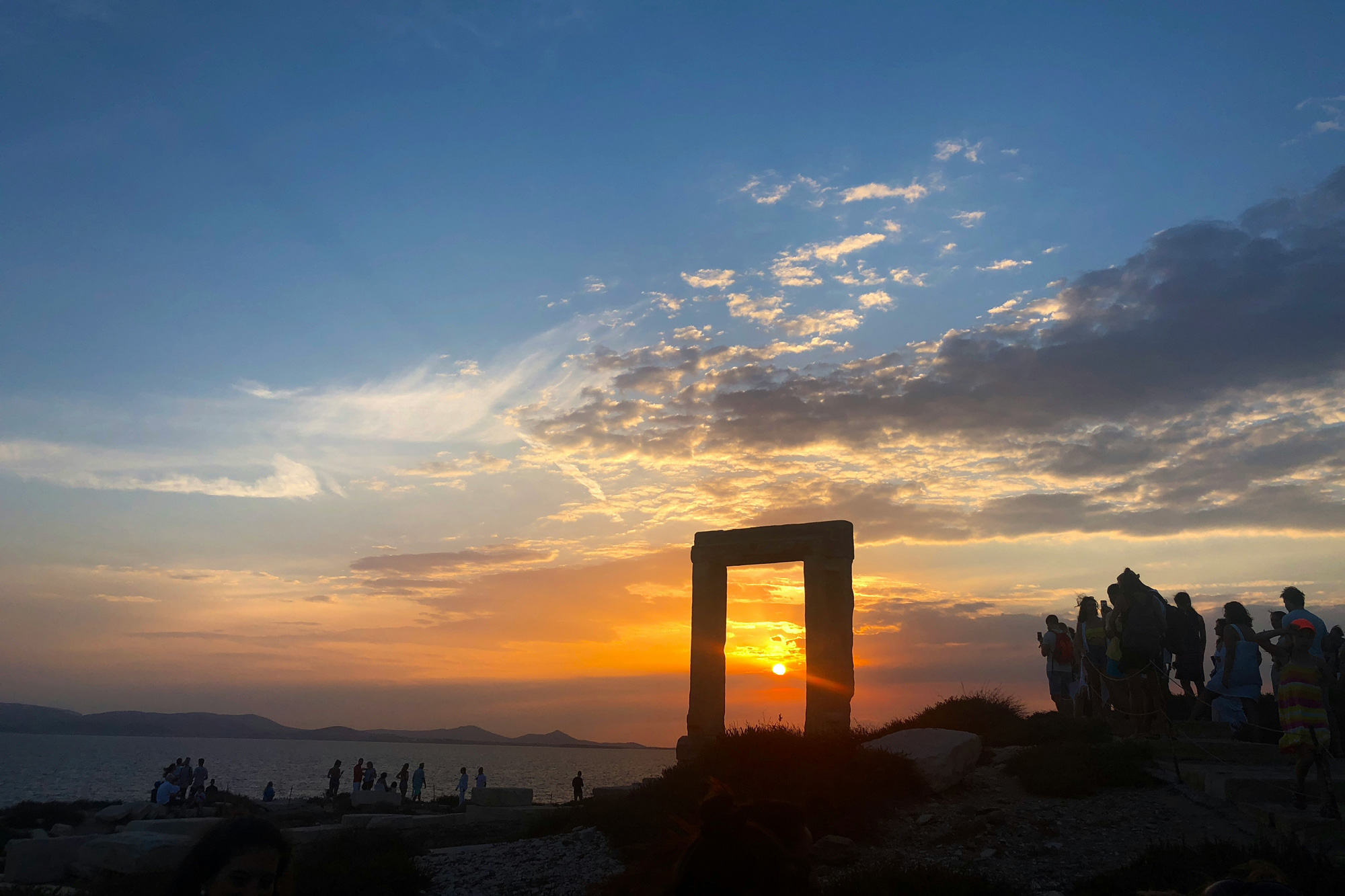
Naxos makes more sense when you stop treating it as another whitewashed Cycladic moodboard. It is the big, fertile island of the group: potatoes, cheese, citrus, mountain villages and beaches with enough space for families, walkers and people who like their Greece generous. The island was linked to Dionysus, god of wine, and to the myth of Ariadne, abandoned by Theseus before finding a different kind of power here. That mix still fits. Naxos feels earthy, hungry and unbothered by coolness. Choose it when you want substance with your swim.
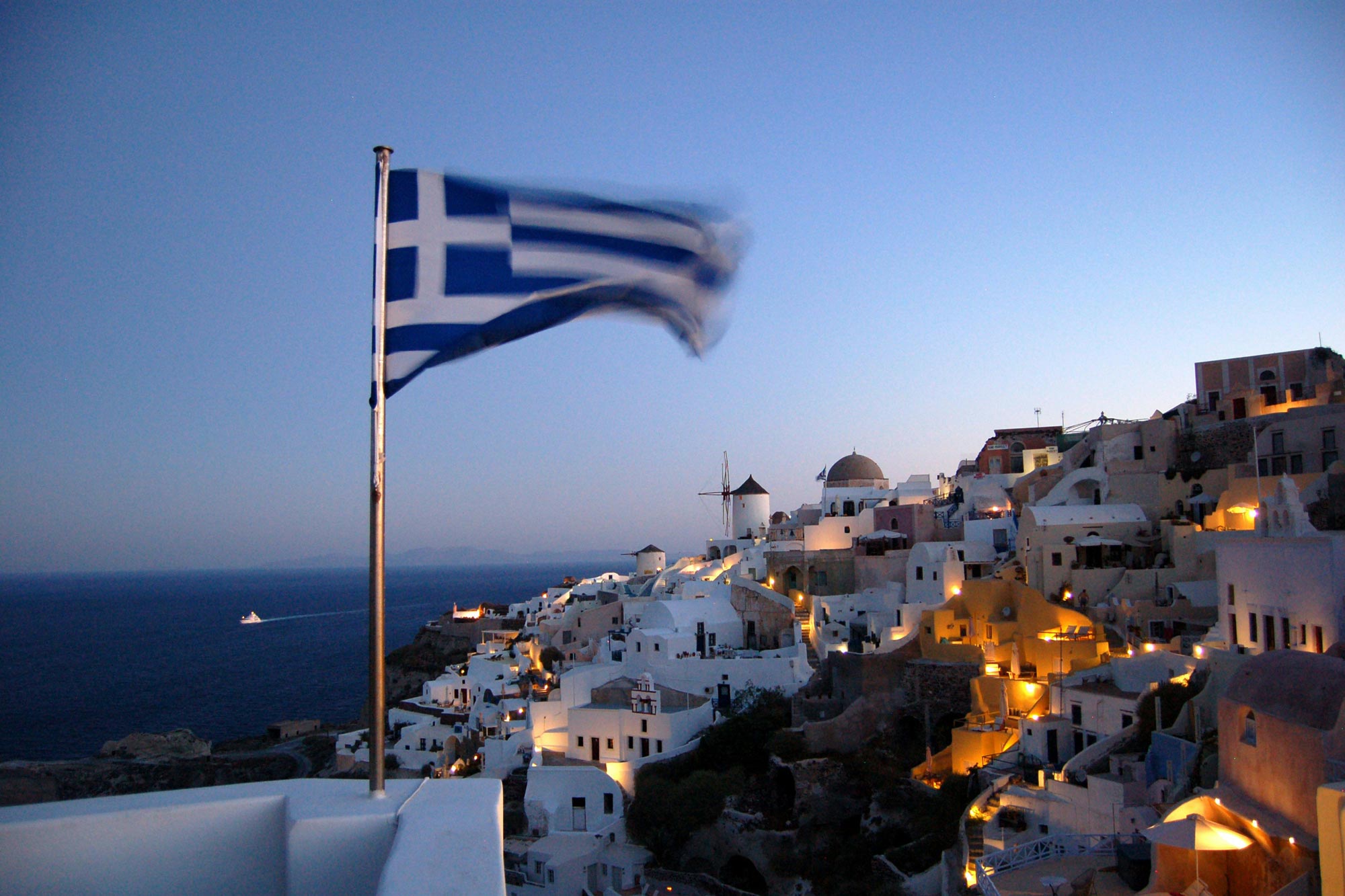
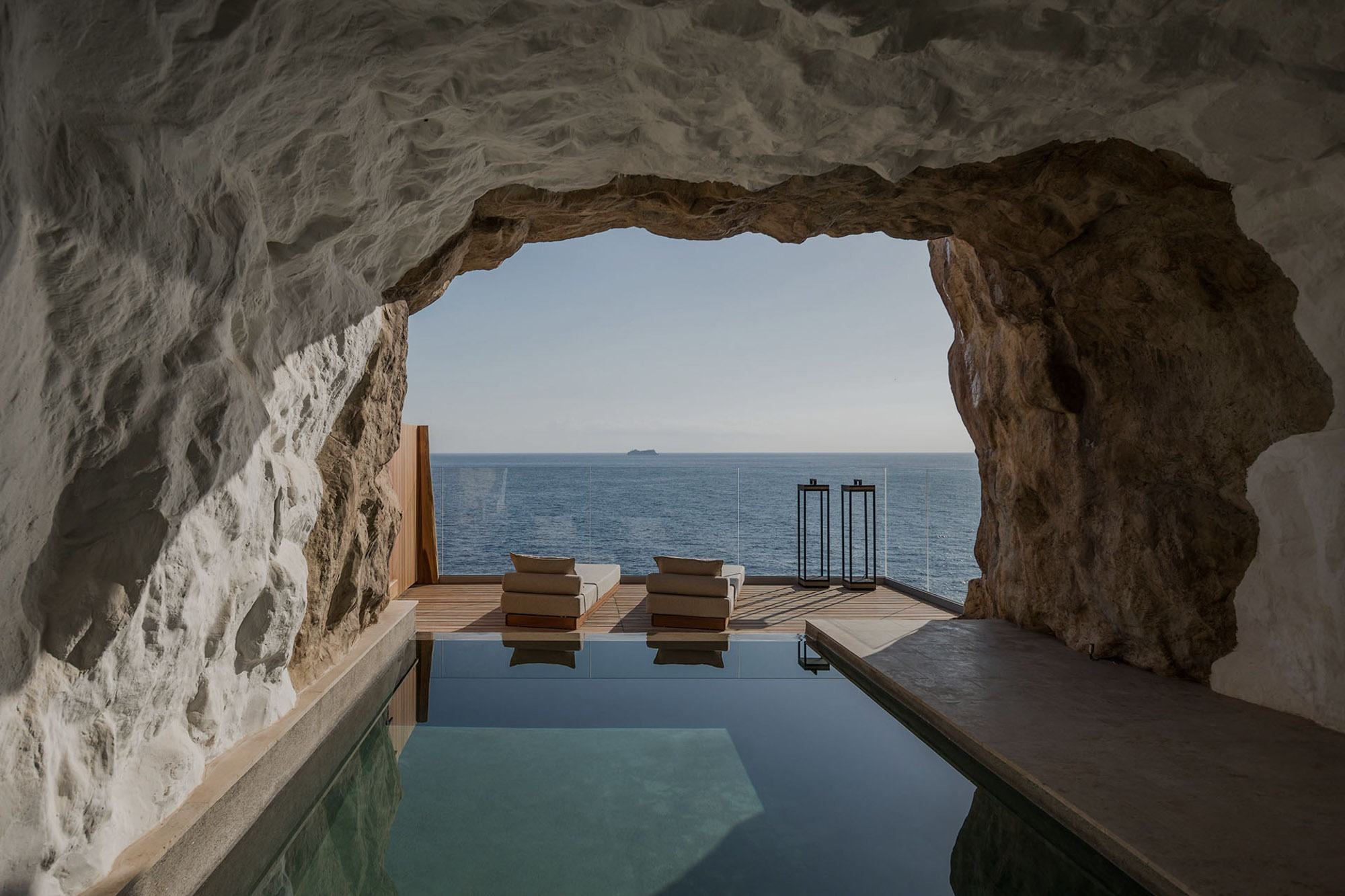
Santorini is Greece with the volume turned up and the margin for error turned down. The caldera is the point: a collapsed volcanic world of black cliffs, white villages, cruise-ship pressure and views so famous they almost become a problem. This is not the island for drifting. It rewards precision, good timing and a healthy suspicion of sunset crowds. The Bronze Age eruption of Thera buried Akrotiri under ash and helped shape the Aegean’s ancient imagination. That violence still sits under the polish. Go for drama, geology and full spectacle. And for staying in a cave.
To some, Mykonos is bling and vulgar. That is also what makes it harder to dismiss. The island gets more interesting once you stop asking it to be innocent. Behind the windmills, white lanes and soft-focus postcards is a very efficient machine: beach clubs, private tables, gym bodies, sharp service, late dinners and money that knows exactly where it wants to sit. Its glamour also has a serious shadow. Delos, one of the ancient Aegean’s great sacred and commercial centres, sits just offshore. Mykonos works when you admit you came for the performance and the people-watching.
Crete is where the neat Greek-island fantasy breaks down, usefully. It is too large for lazy hopping and too layered for one hotel pool: cities, gorges, high villages, beaches, wine, fierce food culture and roads that make you earn the day. Knossos was the centre of Minoan civilisation, one of the earliest urban cultures in Europe, and that depth still changes the mood. Crete has appetite, argument and scale. Best for restless drivers, serious eaters and anyone who finds small islands too obedient.
Corfu has more shade, manners and inherited furniture than the Cyclades know what to do with. The island is green, villa-heavy and faintly aristocratic, with cypress trees, garden walls, Venetian facades, British traces and a social mood that prefers lunch under trees to sunbaked minimalism. It spent centuries under Venetian rule, then passed through French and British hands before joining Greece in 1864 with the other Ionian Islands. That layered polish still shows. Come for softness with history in the walls. Avoid it if your Greece needs to be white, dry and brutally edited.
Rhodes was long filed under charter heaven: big resorts, family holidays, fly-and-flop ease and beaches that did not ask too many questions. That version still exists, but it is no longer the only read. The island is sharper where it has always had weight: medieval walls, Ottoman traces, Italian-era polish, old-town nights and hotels that understand comfort without surrendering to beige. The Knights Hospitaller took Rhodes in 1309 and left one of the Mediterranean’s great fortified cities. Come for easy logistics, but do not confuse convenience with a lack of character.