What we’re loving in Winter 2025-2026 (and you will too)
Stay informed and stay inspired! The Mediterranean hot list is your monthly dossier of what’s shaping the cultural and creative landscape across the Mediterranean. From smart new openings and design-forward projects to events worth pencilling into your diary, we spotlight the ideas and initiatives that matter. Whether you’re a local with a keen eye on your surroundings or a traveller seeking authentic inspiration, this is your curated guide to the things that are getting our attention (and deserve your’s, too).
Be the first to know. Get on the list.
Top photography courtesy of Fuba Bakery
01
Chitón: Madrid’s new after-dark dining pulse
In Madrid’s Justicia neighbourhood, Chitón has emerged as the city’s coolest new paradox. Part restaurant, part speakeasy and part subterranean club. The entrance at Calle Bárbara de Braganza is deceptively discreet. You might walk past it without noticing, but once you step in, the space unfolds into an elegantly designed dining room by De la Villa Studio. The menu, headed up by executive chef Miguel Vidal, focuses on traditional Castilian cuisine with modern innovation. Some dishes to try include the matured-beef burger, Galician-style hake (merluza a la gallega) and Iberian pork tenderloin with pepper sauce. But Chitón doesn’t stop at food. Below the restaurant, a hidden club comes alive after dark. We love Chitón’s dual identity. An upscale restaurant by evening that morphs into a sultry, crowd-magnet nightclub when the lights go down.
Chitón C/ de Bárbara de Braganza 9 Madrid Spain
Photography courtesy of Chitón
02
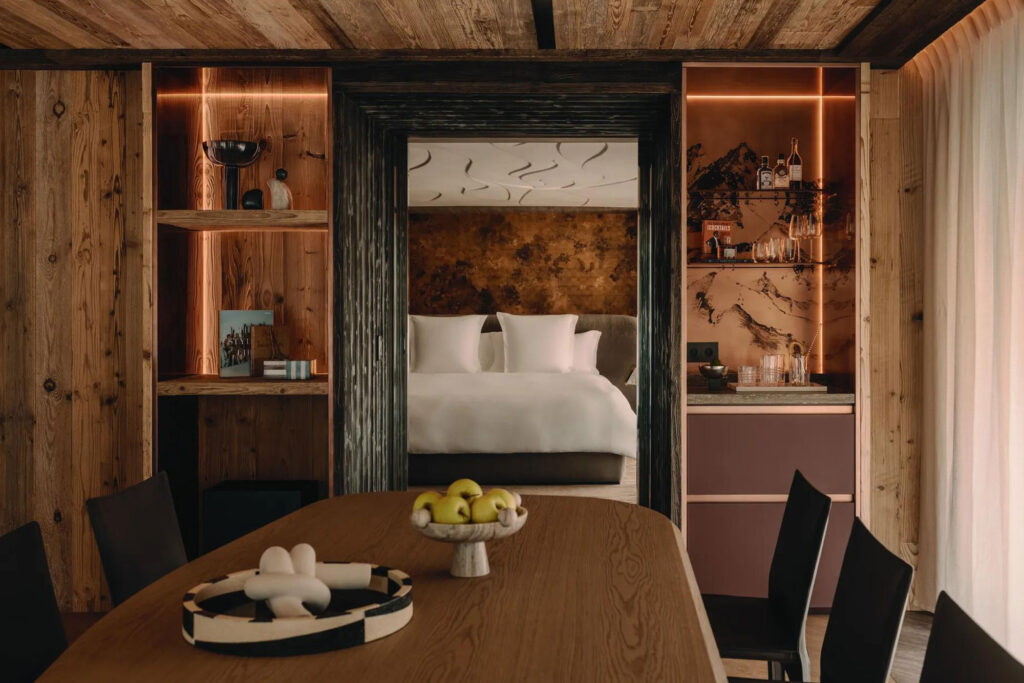
Casa Cook Madonna: alpine design calm in South Tyrol
Casa Cook Madonna marks the brand’s move into the mountains and it shifts the usual Dolomites vocabulary. The look is quiet, tactile and intentionally pared back. Think raw timber, stone with presence and textiles that soften the edges without drifting into chalet predictability. The adults-only setup adds to the calm, and the rooms follow the same design cue. Low lighting, generous glazing and terraces that pull the cold air into the morning routine give the space a rhythm that feels almost meditative. While staying at Casa Cook Madonna, you can enjoy the wellness spa with a sauna, a cosy lounge, open terraces and a boutique store on-site. For foodies and outdoor lovers, Casa Cook Madonna offers direct access to skiing in winter and hiking trails in summer.
Fondation Cartier pour l’Art Contemporain: a renewed cultural landmark in Paris
Paris’s art world got a major upgrade with the reopening of the Fondation Cartier at its new address right across from the Louvre. Architect Jean Nouvel has restored the Haussmann-era building (originally built in 1855) into the beauty you see today. Nouvel’s redesign is playful and kinetic. The interior houses five platforms that can be raised or lowered to create flexible, reconfigurable exhibition spaces. The inaugural exhibition, Exposition Générale, spans 40 years of the Fondation’s collection. It includes more than 600 works from over 100 artists. Beyond exhibitions, the site now features a large educational space called La Manufacture for workshops and creative experimentation, as well as an auditorium and a new bookshop.
Fondation Cartier pour l’Art Contemporain 261 Bd Raspail Paris France
Photography courtesy of Fondation Cartier pour l’Art Contemporain
04
Fuba Bakery: a sculptural take on everyday bread in Madrid
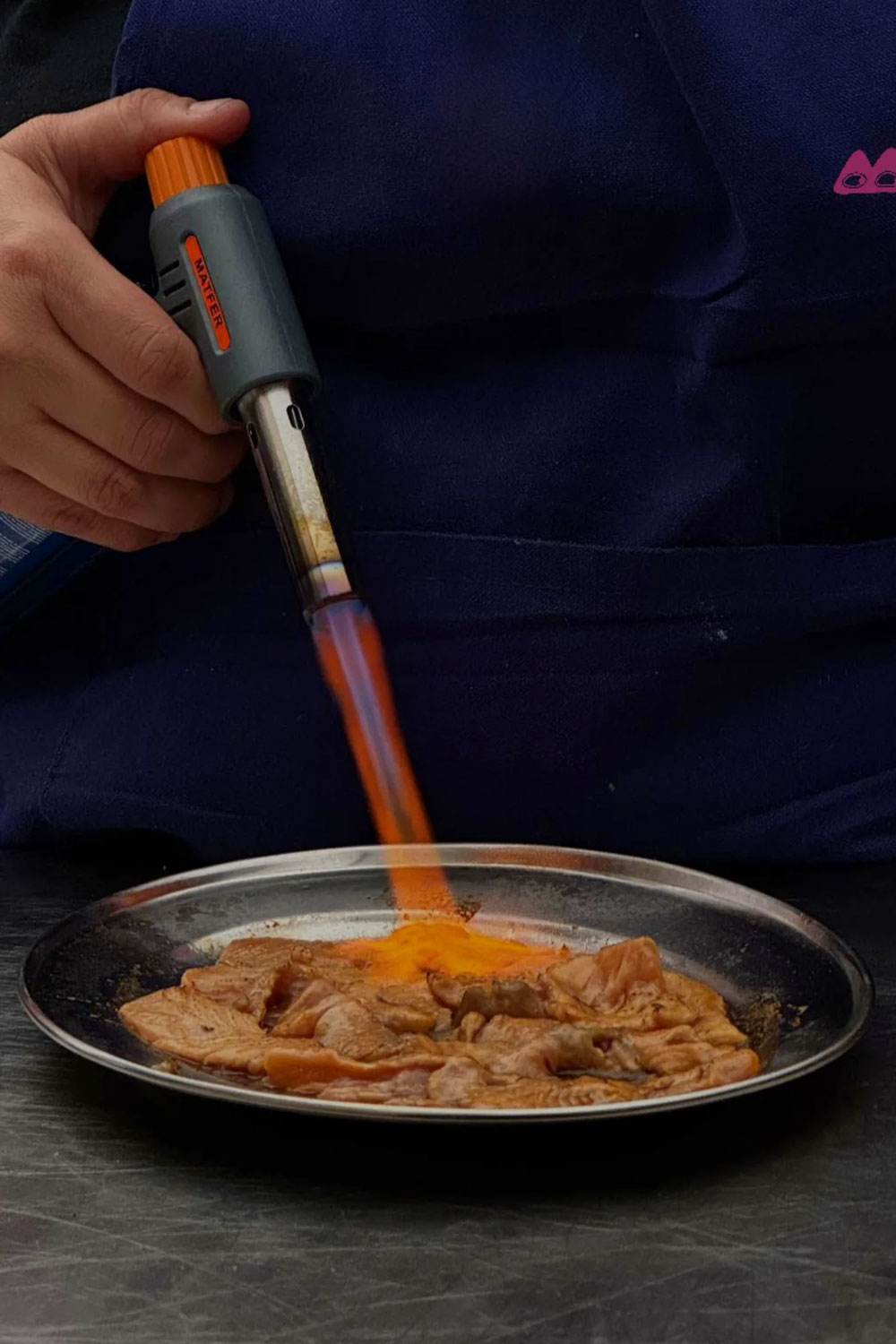
In Madrid’s Chamberí district, Fuba Bakery offers a design-meets-dough concept like no other. Fuba Bakery was opened by chef Fabián León, who dreamed of a space where gluten-free, low-processed and refined-sugar-free baked goods could stand next to traditional bakery staples. The interior, designed by Isern Serra, feels like a softly lit geological cave. Plasterboard walls are gently curved and lime-washed, giving a sense of origin and grounding. Stainless-steel furniture and modern fixtures balance the rustic architecture with a futuristic edge. At the heart of the space is a steel table anchored on one side by a raw rock from a local quarry. Shelves carved into natural niches display loaves of bread, while a faux lightwell in the ceiling mimics daylight.
Fuba Bakery Calle de Sta Engracia 112 Chamberí Madrid Spain
Photography courtesy of Fuba Bakery
05
Villa Beatrice: a slow Riviera hideaway in Portofino
Set on a promontory above Portofino, Villa Beatrice is an artful escape from Belmond’s Splendido Hotel, redesigned and reopened in 2025. Originally built in 1913 by architect Gino Coppedè for industrialist Attilio Odero, the villa fuses Neo-Renaissance, Gothic Revival and Art Nouveau styles. Design studio Martin Brudnizki (MBDS) led its restoration, honouring original frescoes, handcrafted details and regional luxury. Inside, you find lavish frescoed ceilings, terracotta and Graniglia marble floors and Palissandro blue marble bathrooms. Step outside and explore the gardens, fitted with a private plunge pool, panoramic terraces and direct sea access. The villa has five suites plus a secluded guest cottage (La Casetta), all with personalised services like a 24-hour butler, private chef and optional yoga and fitness instructors.
Villa Beatrice Via Duca degli Abruzzi 60 Portofino Italy
Photography courtesy of Villa Beatrice
06
Plan C: Milan’s fresh vision of retail culture
Plan C Frame on Via Manzoni is Milan’s new hybrid retail stop. It’s a concept store, cultural venue and creative lab all in one. The brand, founded by Carolina Castiglioni (of Marni lineage), has launched a two-storey flagship in Milan that’s built around flexibility, modular architecture and daring design. Architects (Ab)Normal and creative production studio April worked with Plan C to configure the space as a series of niches defined by catchy geometry and custom materials. The ground floor features cobweb-like cocoon rooms in claret red and pale green, housing apparel, accessories and a special capsule of homeware made in collaboration with Belgian design house Serax. A spiral staircase leads down to a yellow-carpeted reading room and event space, managed in collaboration with Reading Room magazine.
Plan C Via Alessandro Manzoni 21 Milan Italy
Photography courtesy of Plan C
07
Mischief: sharp cooking with a rebellious edge in Paris
Chef Erica Paredes (you may know her from Reyna) has opened her second Paris address. Paredes has given the Haut-Marais a jolt with Mischief – a dining room full of personality and dishes that trace her Franco-Filipino roots without slipping into nostalgia. Trained at Le Cordon Bleu and further refined in Italy, Paredes is best known for her playful culinary curiosity and deep respect for memory. At Mischief, she leans into childhood inspiration. On the menu you’ll find dishes like fried chicken with butter sauce, langoustine ravioli and our favourite, the oyster bao with gochujang mayo. Beyond food, the space itself is meant to feel warm and textured. Designers from Studio Artpill favoured terracotta walls, soft curves and layered surfaces.
Mischief 25 Rue des Gravilliers Paris France
Photography courtesy of Mischief
08
Ki Art Music Coffee: a creative corner where sound meets space in Norte
On Porto’s Atlantic fringe, Ki Art Music Coffee sits at the intersection of design and sound. Created by Mat Arquitetura e Interiores for its owner, who is both a musician and a designer, the café uses raw and honest materials in its design. Burnt cement, wood, metal and natural fabrics are all carefully chosen to speak to its identity. The interior is laid out in distinct but connected zones. A music corner with a DJ booth and vinyl shelf, a coffee bar and a lounge area that faces the sea. Lighting plays a big part too. The lamps were chosen to highlight textures and shape moods as the day shifts. It’s become the natural meeting point for young musicians, designers and locals who want something more atmospheric than a typical café.
Ki Art Music Coffee R. Pedras de Novais Leça da Palmeira Portugal
Photography courtesy of Ki Art Music Coffee
09
Le Mas de Chabran: a timeless rural escape in Provence-Alpes-Côte d’Azur
Le Mas de Chabran is the crown jewel of Les Domaines de Chabran, redesigning an 18th-century olive-farm estate into a sanctuary of Provençal elegance and high-end design. The architects Alain Meylan and Liliana Atilova have restored the mas with deep respect. Clay-coated walls, vaulted stone ceilings and antique French furniture meet Turkish kilims, Murano chandeliers and globally sourced doors. Set within formal gardens and olive groves, the property features a heated pool, a gym, a sauna and even a cinema room. With just eight suites, you immediately feel the intimacy of the place. Each room is designed with raw and local materials in mind. There’s this soft, natural light that makes you want to slow down, unpack properly and settle into the rhythm of Provence.
Le Mas de Chabran D17C Chem. du Mas de Chabran Maussane-les-Alpilles France
Photography courtesy of Le Mas de Chabran
10
Son Xotano: a design-forward escape in Mallorca
Son Xotano is Annua Signature Hotels’ first retreat on Mallorca and it could not be more deliberately serene. Located in the rural village of Sencelles, this 12th-century possessió (traditional Mallorcan manor) is surrounded by olive groves, vineyards and lavender fields, offering a design-led escape from the coast’s bustle. Inside, everything feels soft and grounded in the landscape. Reclaimed wood, hand-thrown ceramics, textured plaster and washed linen set the tone. Some rooms open onto private patios or enclosed gardens. Others feature vaulted ceilings or tall arched windows that pull in natural light from morning to evening. The atmosphere feels slow and rooted. The culinary experience follows the same philosophy. Chef José María Borrás focuses on local produce and ingredients from nearby farms. Wellness here is gentle and meditative. Outdoor massages, yoga in pine groves and evening stargazing create a rhythm that mirrors the countryside.