Discover what’s new before everyone else:
Get our free on-the-go Mediterranean hotspot map!
The Mediterranean • Stay • The 2025 hot list: the 16 best new hotels in Italy
Do you want to know where to book a stay in Italy, right now? Hotel aficionados want to know what’s new, what’s popular and where to go – and with a slew of highly anticipated debuts, there are more hotels to explore than ever before. We maintain a current list of all new hotels along the Mediterranean that are set to open in 2025, conveniently divided down month by month so you can see exactly when they opened. Here is the complete guide to Italy’s newest, best and buzziest hotels, inns and guesthouses.
Got hot tips on new openings? Email us!
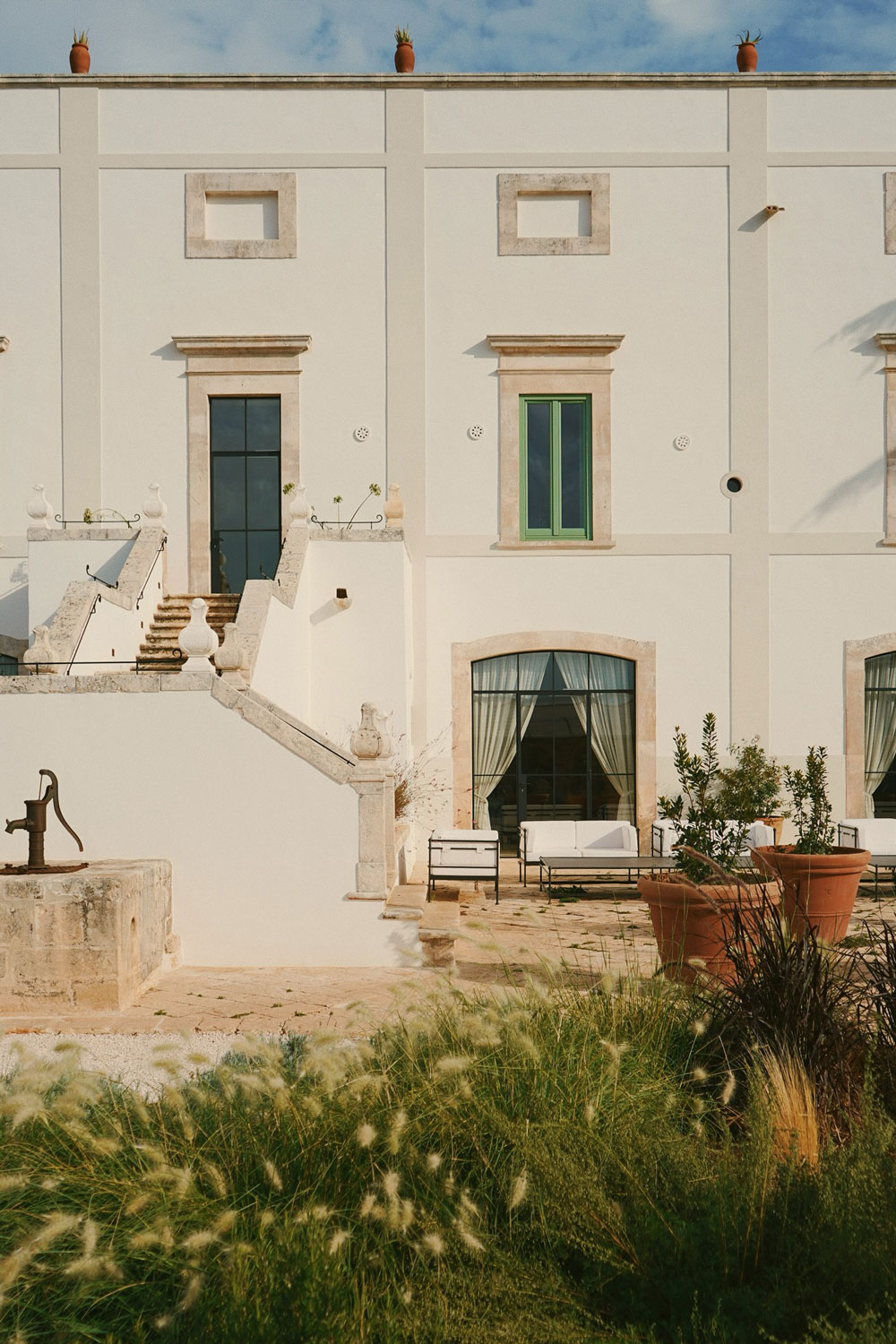
Top photography courtesy of Vetera Matera
25/12
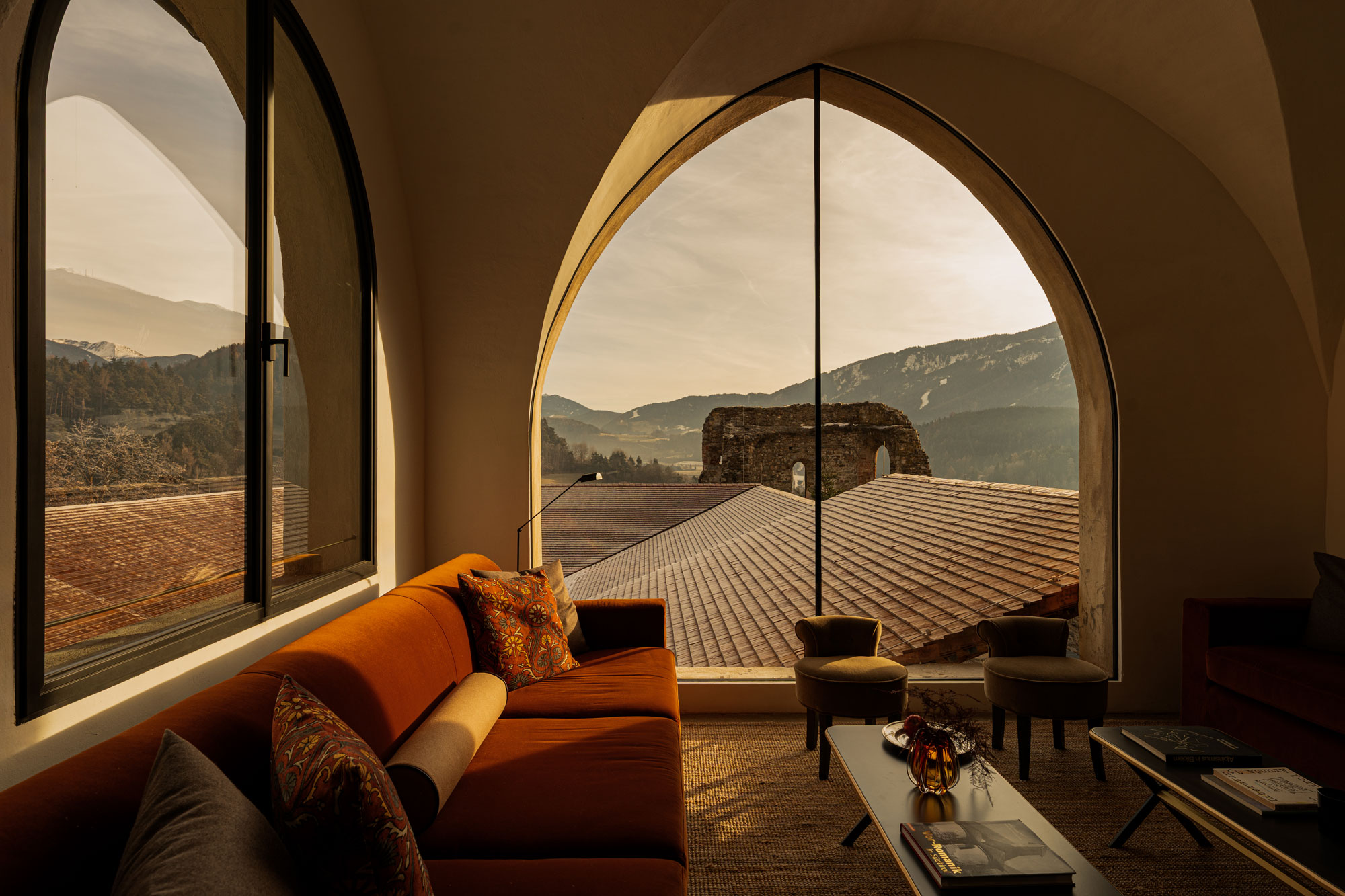
An 11th-century Benedictine convent turned fortress, Castel Badia reopened in December 2025 with 28 rooms and the sort of hush money usually can’t buy. The backstory is baked in: abbesses with a reputation for autonomy, Romanesque fragments and a frescoed crypt dedicated to San Lorenzo. South Tyrolean studio Niull 17 worked with architects Nathalie and Virginie Droulers and interior designer Marta Ferri, keeping exposed stone and vaults while warming it up with natural materials. Seventeen gardens wrap the place, including a medicinal herb garden, and Plan de Corones sits five minutes away. Eating happens in a wood-panelled Stube and a show-kitchen space led by chef Alberto Toè. Downstairs, a 10,000 sq ft spa delivers indoor and heated outdoor pools, saunas, hammams, treatment rooms and a yoga studio.
Affiliate link (what is it?)
Photography courtesy of Castel Badia
1/12
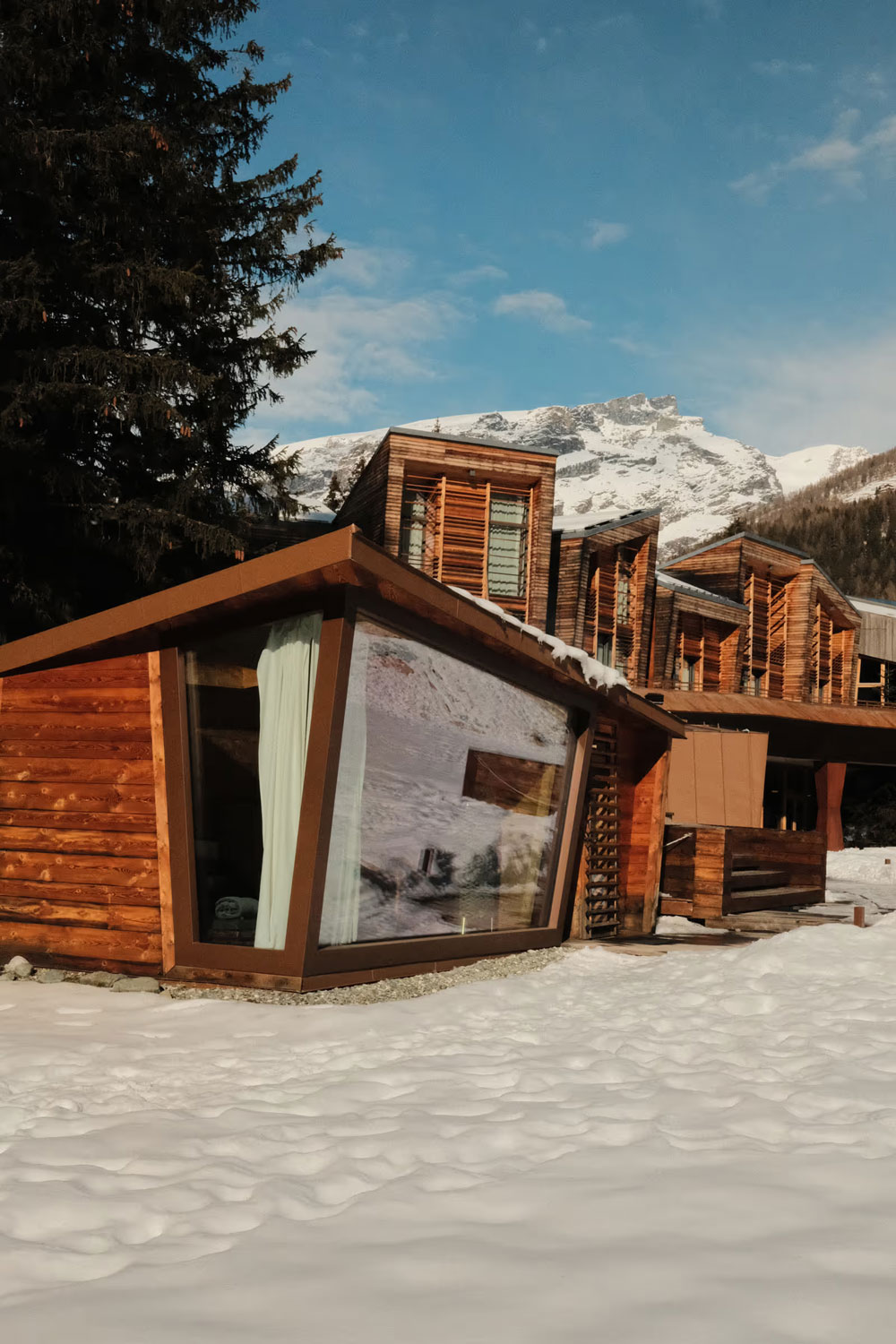
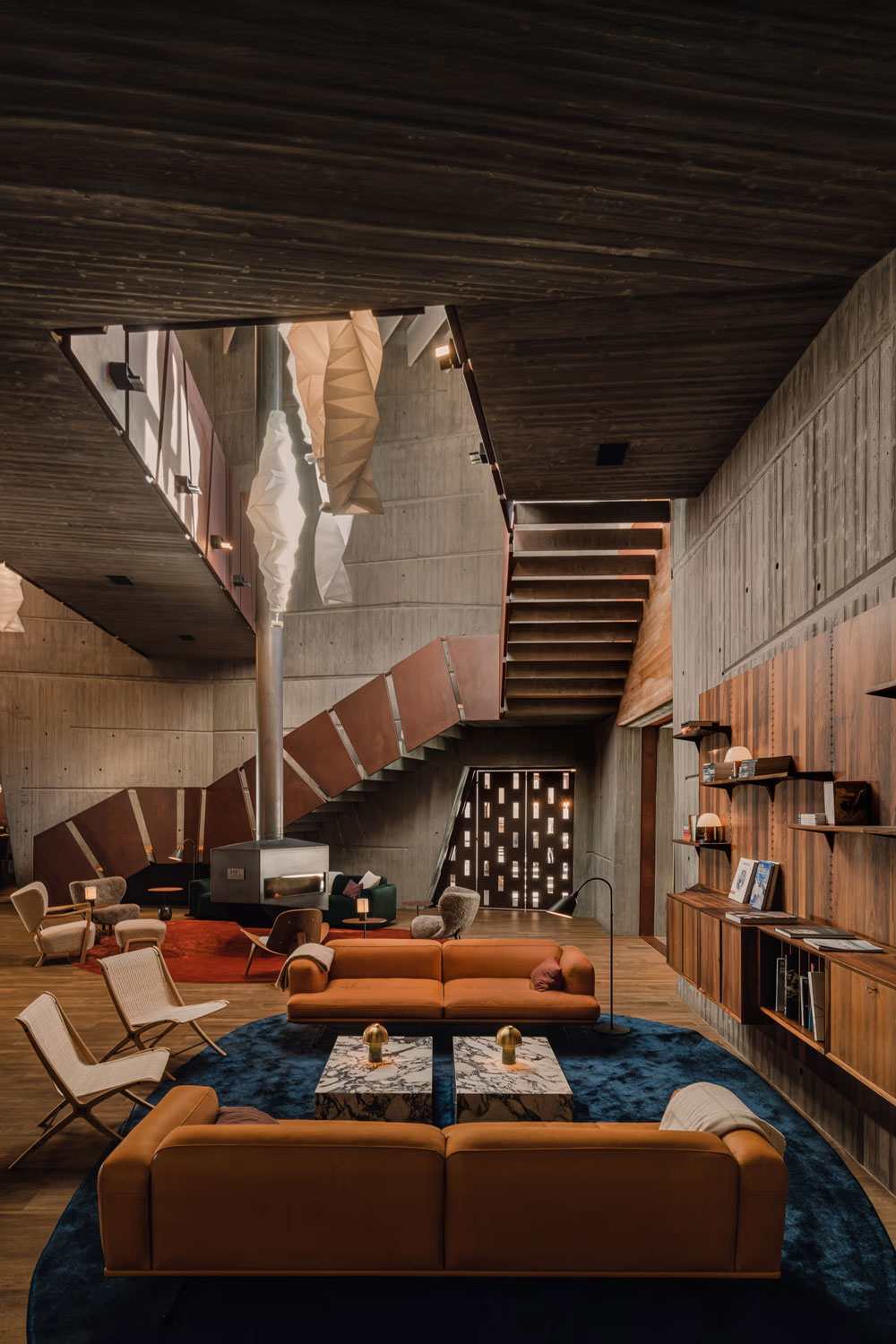
High in Italy’s Val d’Ayas, a familiar Alpine form is being reworked. Aethos Monterosa has revealed a major renewal led by Barcelona-based Astet Studio. Rather than reproducing chalet clichés, the studio pares them back. Warm timber, cool stone and forged metal echo the valley’s textures, while steep roofs and deep reveals are translated into clean, measured architectural lines. A new wing adds 23 suites, all oriented toward mountain views and daylight, alongside reworked existing interiors. Large windows frame the landscape, gardens extend the living spaces, and a panoramic pool pulls guests closer to the terrain.
Affiliate link (what is it?)
Photography courtesy of Aethos Monterosa
6/11
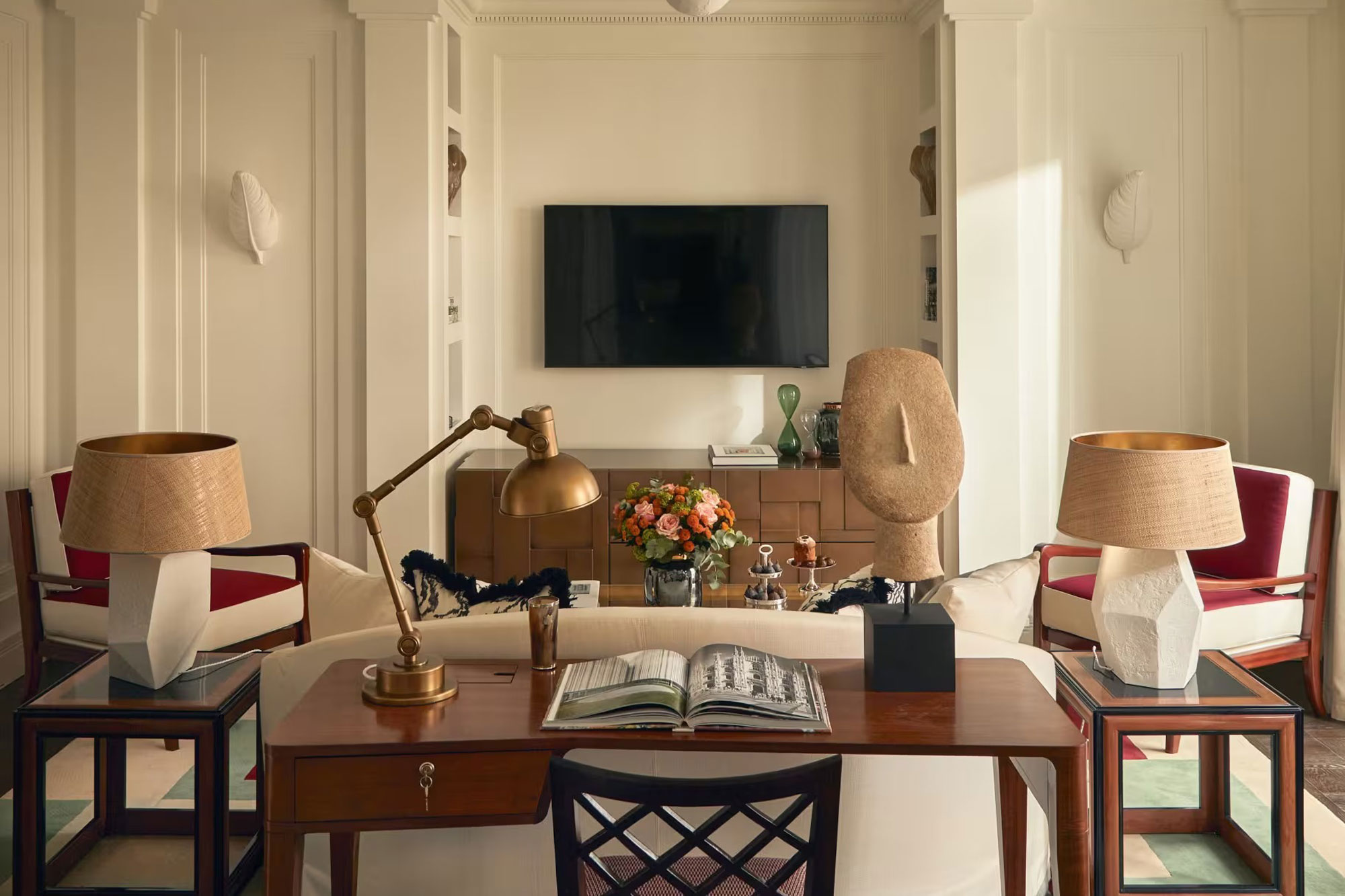
Milan rewards proximity, and The Carlton takes it seriously. Set inside the Quadrilatero della Moda, the hotel places guests within walking distance of La Scala, the Duomo and a dense run of galleries, ateliers and bars. The scale is deliberately compact, with 70 rooms and suites, a fine-dining restaurant, an all-day lounge bar and a full-service wellness centre. Interiors by Olga Polizzi, in collaboration with Paolo Moschino and Philip Vergeylen, favour layered Italian elegance over fashion-week theatrics. This is a hotel designed to be used between appointments, aperitivi and late dinners.
Photography courtesy of The Carlton
20/8
Casa Cook Madonna marks the brand’s move into the mountains and it shifts the usual Dolomites vocabulary. The look is quiet, tactile and intentionally pared back. Think raw timber, stone with presence and textiles that soften the edges without drifting into chalet predictability. The adults-only setup adds to the calm, and the rooms follow the same design cue. Low lighting, generous glazing and terraces that pull the cold air into the morning routine give the space a rhythm that feels almost meditative. While staying at Casa Cook Madonna, you can enjoy the wellness spa with a sauna, a cosy lounge, open terraces and a boutique store on-site. For foodies and outdoor lovers, Casa Cook Madonna offers direct access to skiing in winter and hiking trails in summer.
Affiliate link (what is it?)
Photography courtesy of Casa Cook Madonna
1/8
Affiliate link (what is it?)
Photography courtesy of Calimala Milano
23/7
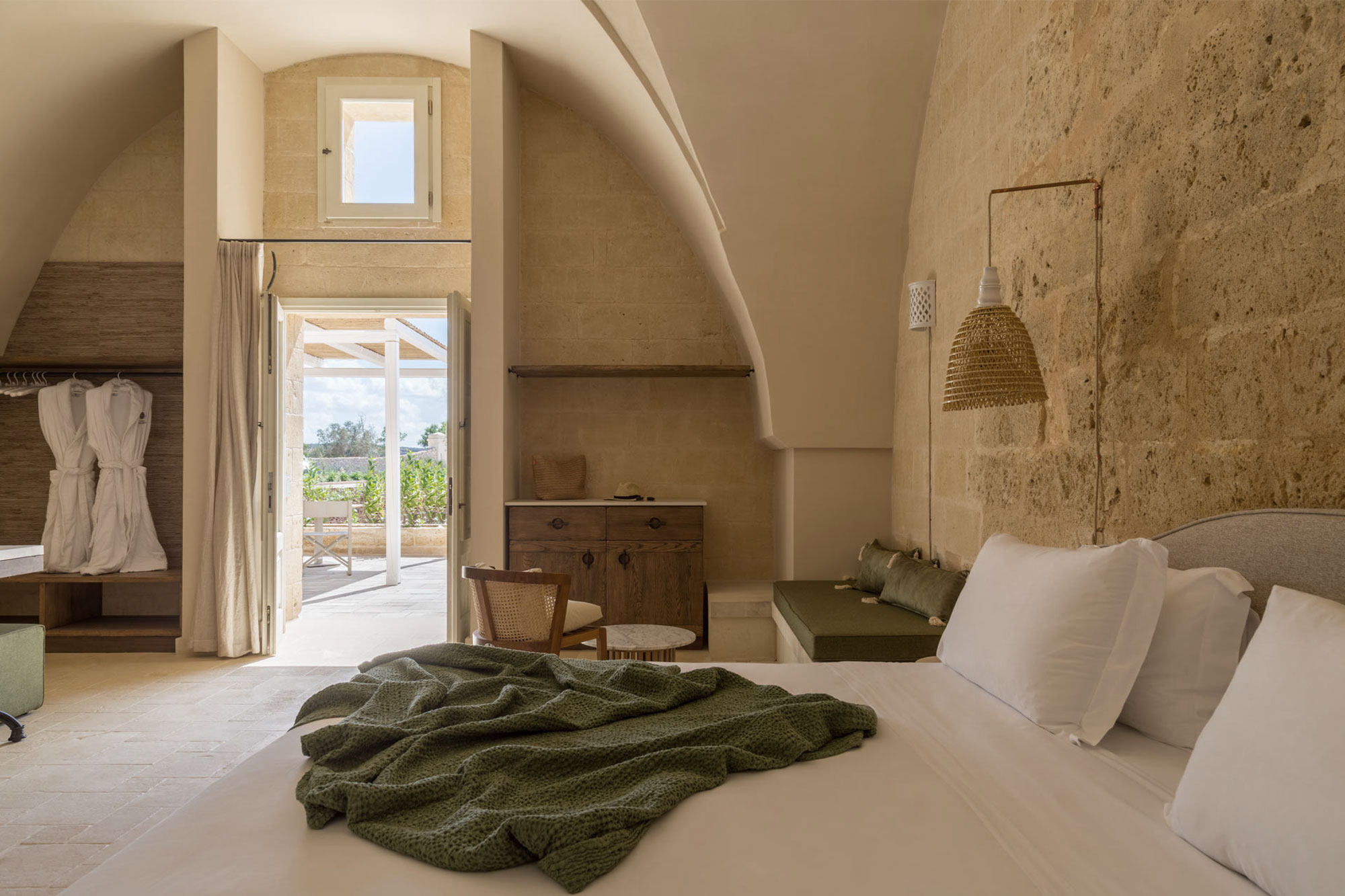
High on the edge of Puglia’s white city, Vista Ostuni occupies a restored 14th-century palazzo overlooking the Adriatic plain. Opened in 2024 by the Passera family’s Vista brand, the hotel brings 28 rooms and suites into Ostuni’s historic centre, all wrapped around stone vaults, terraces and long sightlines toward olive groves and sea. Interiors keep close to the building’s bones – pale stone, soft plaster, minimal colour – letting light and proportion do the work. A rooftop pool crowns the property, while dining leans local and seasonal rather than touristic. This is Ostuni slowed down and sharpened: less postcard, more place, designed for staying put rather than ticking off Puglia.
Affiliate link (what is it?)
Photography courtesy of Vista Ostuni
7/6
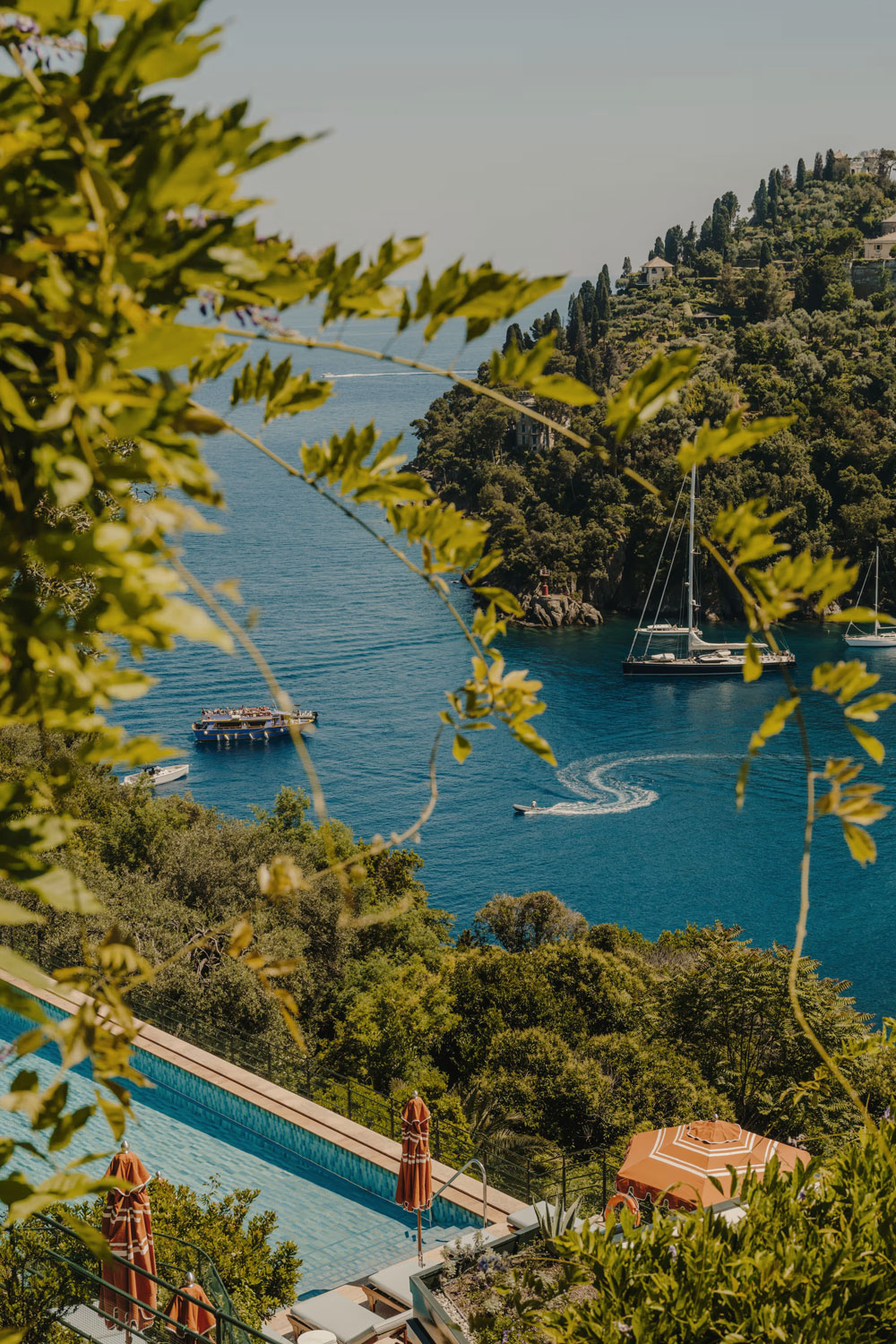
Set above the harbour, Splendido, a Belmond hotel looks down on Portofino rather than participating in it. The former Benedictine monastery dates back to the 16th century and still operates on that logic: elevation, distance, control. Rooms and suites face the Ligurian coastline, many with terraces that frame the port without the noise. The pool, carved into the hillside, remains one of the Riviera’s most copied templates. Dining stays resolutely Italian, with Ligurian seafood and garden produce shaping the menus. Service is formal but practiced, built for repeat guests who know exactly what they want.
15/5
Casina Cinquepozzi is not a hotel in any conventional sense. Set on a 40-acre working estate outside Putignano, in inland Puglia, it operates first as regenerative farmland, second as a place to stay. The restored 18th-century villa once belonged to the Trolio family and still shows it, with vaulted rooms, ancient wells and thick stone walls left largely untouched. Owners Thelma West and Stefano Liotta grow wine, olive oil, fruit, vegetables and grains on site, which shape daily meals. Facilities include a 17-metre pool, hammam and outdoor living spaces threaded through orchards. This suits guests who value process and land over service layers.
Photography courtesy of Casina Cinquepozzi
17/4
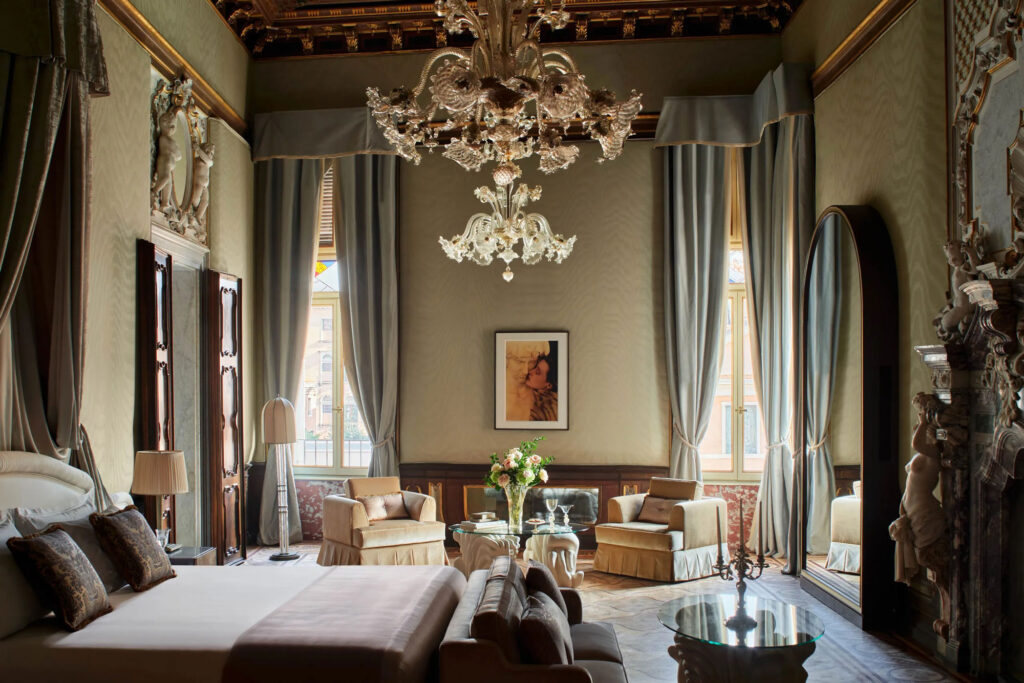
In the centre of Rome, just steps from Piazza del Popolo, the newly unveiled Romeo hotel offers a stay steeped in historical grandeur and avant-garde design. Housed within the 16th-century Palazzo Capponi, this luxury boutique hotel is one of the final masterpieces conceived by the late architect Zaha Hadid. Her signature fluid aesthetics are evident throughout the property, easily integrating with the restored original frescoes. The hotel doubles as a living gallery. The interiors are adorned with works by contemporary artists such as Mimmo Paladino and Mario Schifano, alongside historical artifacts unearthed during the building’s restoration, including a marble bust of Livia Drusilla, wife of Emperor Augustus. Other highlights at this hotel include the Il Ristorante Alain Ducasse, offering the cuisine of Michelin-starred super chef Alain Ducasse and the expansive 13,000-square-foot La Spa Sisley Paris, which offers a range of treatments rooted in the Phyto-Aromatic philosophy.
Affiliate link (what is it?)
Photography courtesy of Romeo
17/4
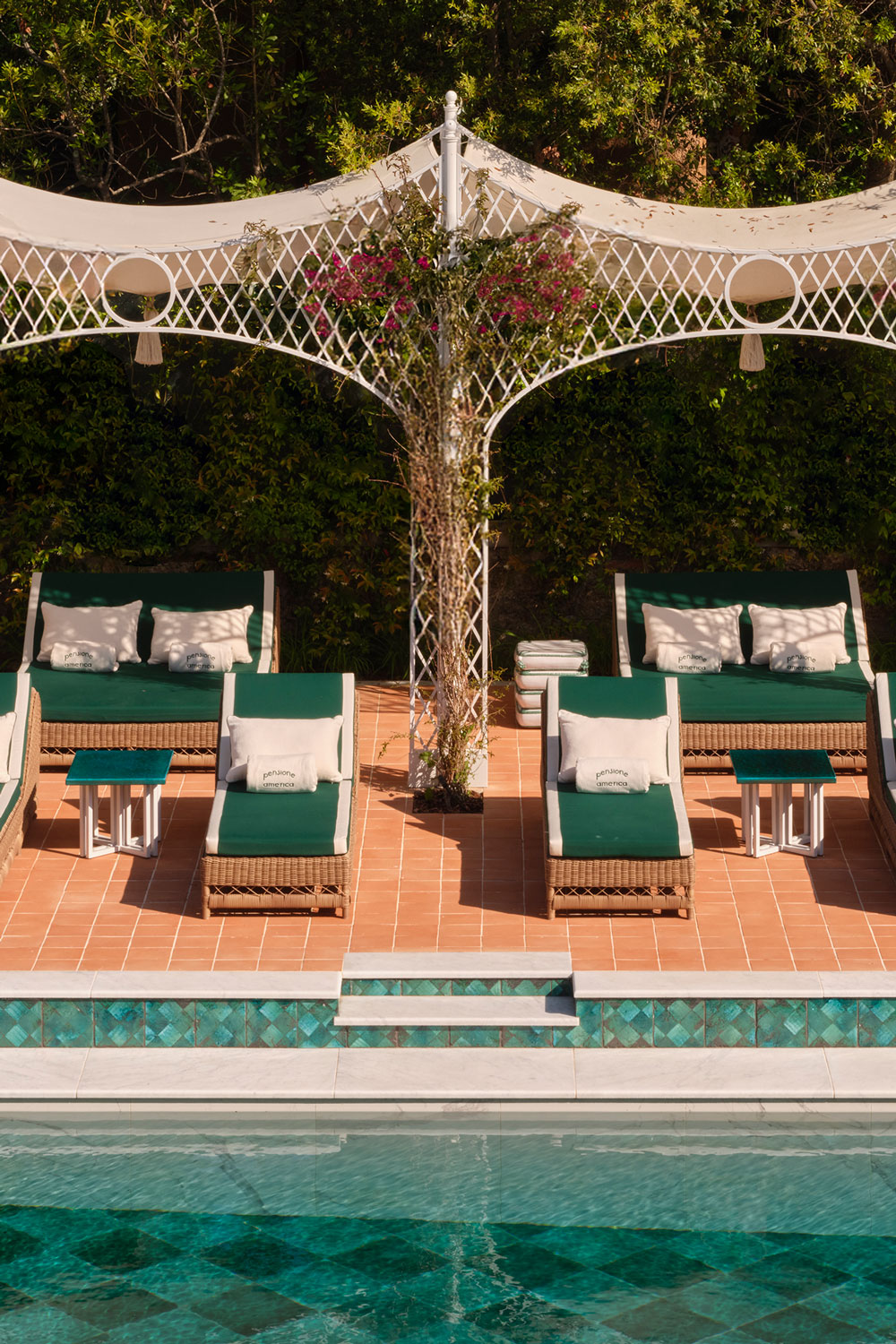
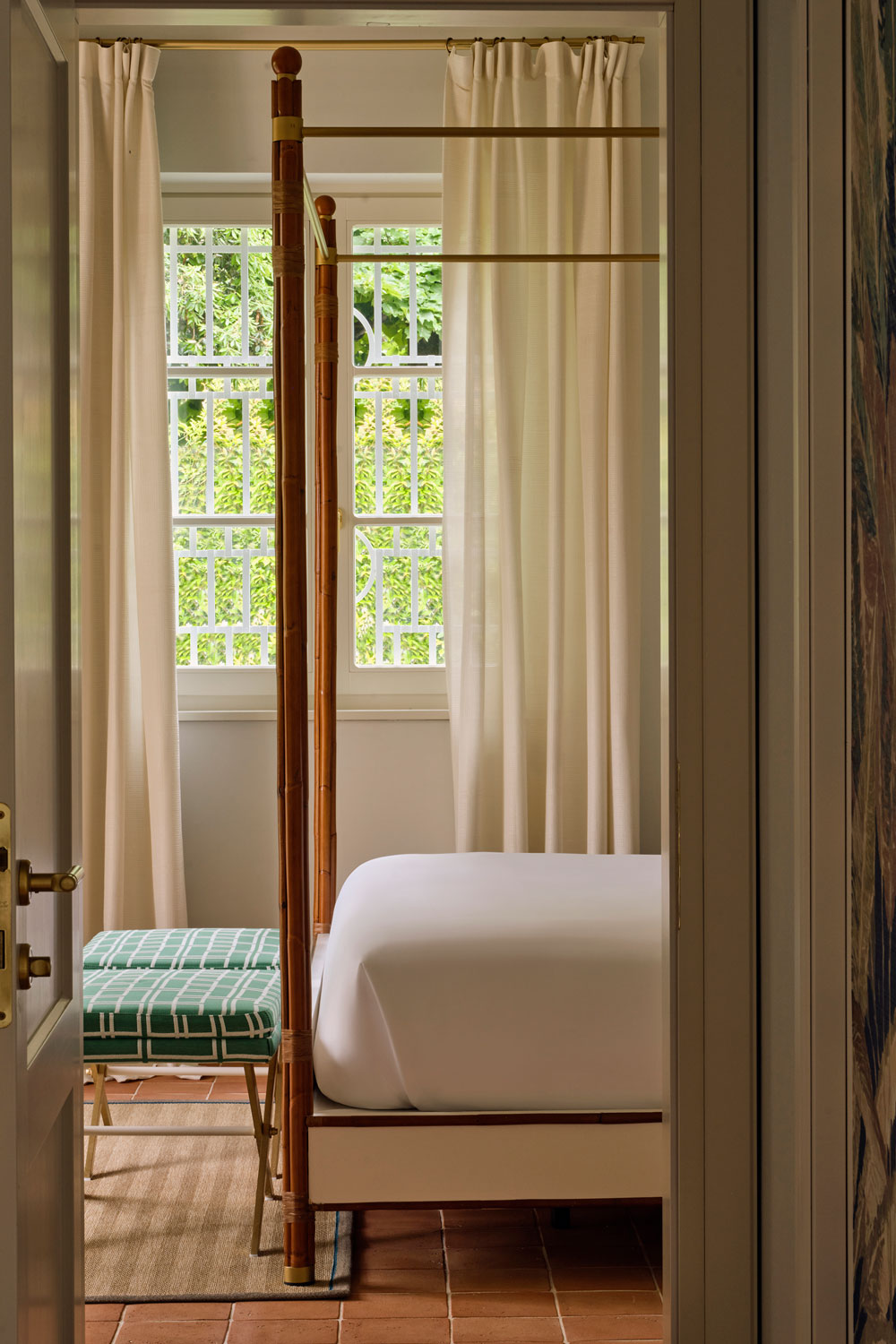
Pensione America in Forte dei Marmi, Tuscany, reopened in April 2025 after a restoration by the Maestrelli family, with Sara Maestrelli steering the redesign. The villa dates to 1899 and became a pensione in 1922. Today it has 17 rooms and suites, plus La Villetta, a two-bedroom, two-storey villa by the pool. Every key space pushes outdoors, with terraces or verandas for coffee and aperitivo. Look for hand-painted wallpaper by Italian designer Elena Carozzi and ceramic tiles by Nicolò Giuliano, including around the pool. Local chef Sabrina Pucci runs the all-day restaurant, with afternoon tea. Guests get bikes and sunbeds at the family’s beach club, Bagno Assunta.
Affiliate link (what is it?)
Photography courtesy of Pensione America
11/4
Set among olive groves near Porto Cesareo, Masseria Donna Menga is a fortified farmstead dating to the 15th century, built under the Bishopric of Nardò and designed for function before comfort. The recent restoration keeps that logic intact. Thick Lecce-stone walls, vaulted rooms and a watchtower define the structure, with contemporary interventions kept minimal and precise. There are a limited number of rooms, some with private patios or plunge pools, all oriented toward land rather than view-chasing. A garden, pool and hammam shape the day. At Radici, the menu is driven by the estate’s organic garden and nearby producers. Donna Menga feels operational, not curated – a place with purpose that allows guests to step in quietly.
Affiliate link (what is it?)
4/4
Boarding La Dolce Vita Orient Express feels more like stepping into a Fellini film than catching a train. Operated by Accor with backing from LVMH and designed by Milan’s Dimore Studio, this revival of Italy’s golden-age rail glamour repurposes 1960s Ferrovie dello Stato carriages into 18 suites and 12 deluxe cabins. The spaces were designed to feel cinematic, featuring materials such as velvet, lacquered wood, brass, smoked glass and mirrors – elements that recall the interiors of historic train carriages. En-suite bathrooms sparkle with black-and-white terrazzo tiles, while corridors play out original stills from Fellini’s La Dolce Vita. Onboard dining is led by three-Michelin-star chef Heinz Beck in a jewel-box restaurant car, where reflective chrome walls and mid-century seating frame plates of refined Italian fare.
Photography courtesy of La Dolce Vita Orient Express
31/3
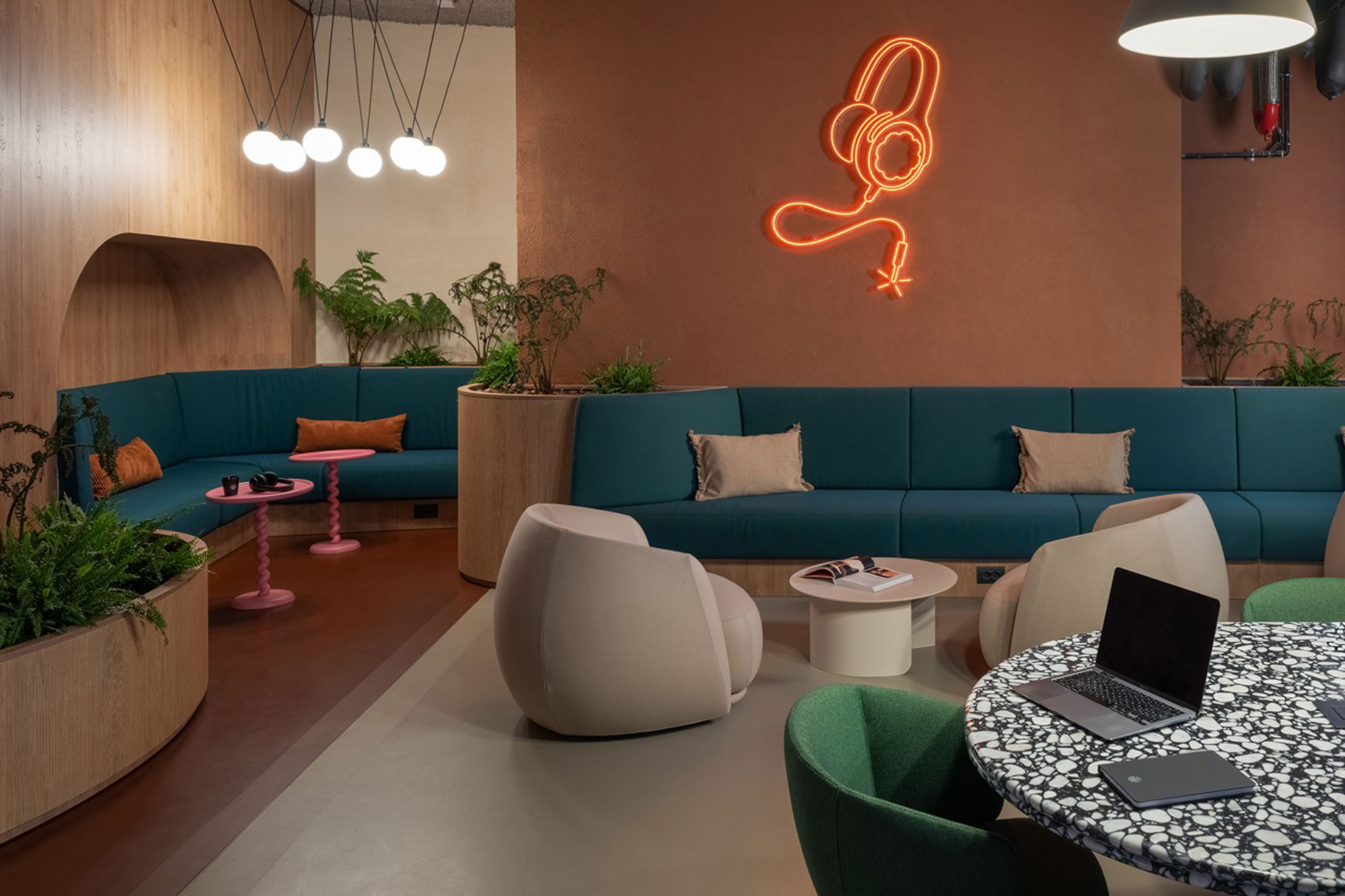
Rome rarely makes room for new ideas, which is why The Social Hub Rome feels disruptive by default. Opened in 2025 in San Lorenzo – a historically working-class, student-heavy district just east of Termini – the project repurposes the city’s former railway customs house into a 24,000-square-metre hybrid of hotel, coworking, event space and public park. The €114 million development includes a 396-room four-star hotel, a 10,000-square-metre park, rooftop pool and cocktail bar, gym, and a calendar of hundreds of community-led events each year. Food spans modern Roman cooking and a new outpost of Berberè.
Affiliate link (what is it?)
Photography courtesy of The Social Hub Rome
10/3
You might recognise Matera as the dramatic backdrop to the James Bond film No Time to Die, but its roots trace back to the Stone Age. Known for its UNESCO-listed Sassi cave dwellings, this ancient southern Italian town has evolved from a network of homes and churches carved into limestone to a celebrated cultural hub. Vetera Matera, a Relais & Châteaux hotel, brings modern luxury to this storied setting. The hotel offers 23 rooms, including eight junior suites, with terraces framing Matera’s unique landscapes. A spa carved into ancient cisterns features saunas, hammams and hydromassage pools. Dining highlights include Italian classics reimagined with flair, an outdoor bar and creative cocktails served under the stars.
Affiliate link (what is it?)
Photography courtesy of Vetera Matera
3/3
Affiliate link (what is it?)
Photography courtesy of The Hoxton Florence
2/3
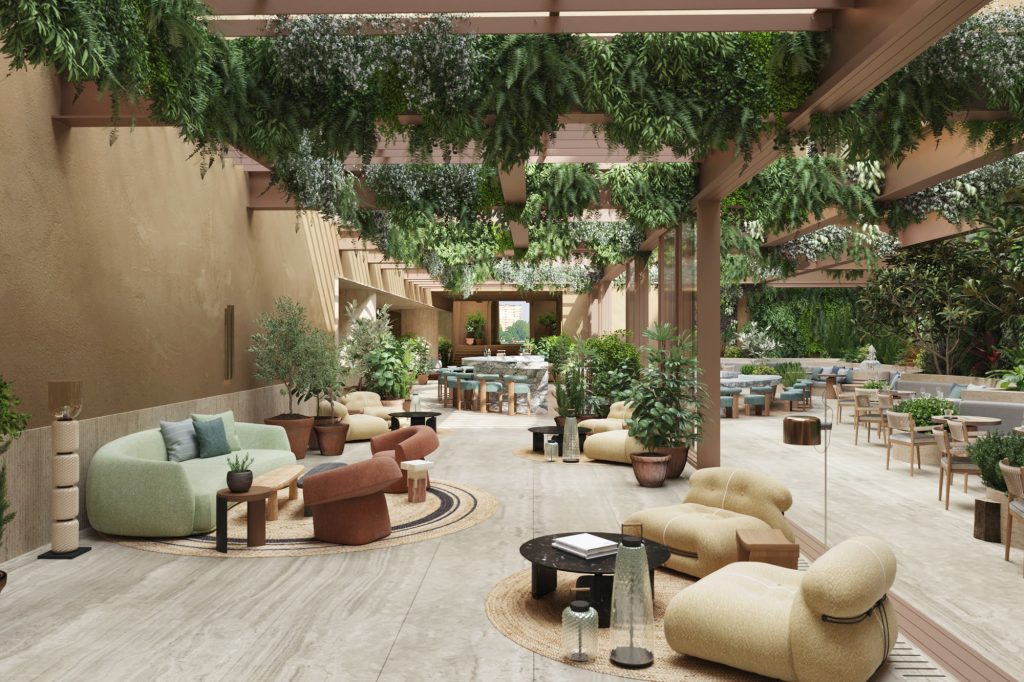
Tucked into the Florentine hillside, Collegio alla Querce combines Renaissance grandeur with modern elegance. Its 16th-century buildings, once a historic centre of learning, now house 83 meticulously designed guest rooms and suites, crafted by Esteva i Esteva and ArchFlorence. Guests explore tiered gardens, restored by Francesca Watson, leading to a serene poolside retreat. Dining highlights include La Gamella’s seasonal Tuscan fare, Bar Bertelli’s rule-breaking cocktails and Café Focolare’s alfresco delights. Aelia Spa offers bespoke treatments in private, nature-framed suites. Spaces like the restored chapel, theatre and garden terraces set the scene for unforgettable events.
Affiliate link (what is it?)
Photography courtesy of Collegio alla Querce
Share this
Sign up for the latest hotspot news from the Mediterranean.