Every season, a few Mediterranean openings and projects land before the wider hype catches up. The Mediterranean hot list is our seasonal dossier of what’s shaping the cultural and creative landscape across the Med, from design-forward launches and smart new addresses to exhibitions and events that are actually worth planning around. Everything here is filtered hard, with the names and details that matter.
Top photography courtesy of Isabella by Flora Chiado
00
16/5
Isabella by Flora Chiado
Lisbon, Portugal
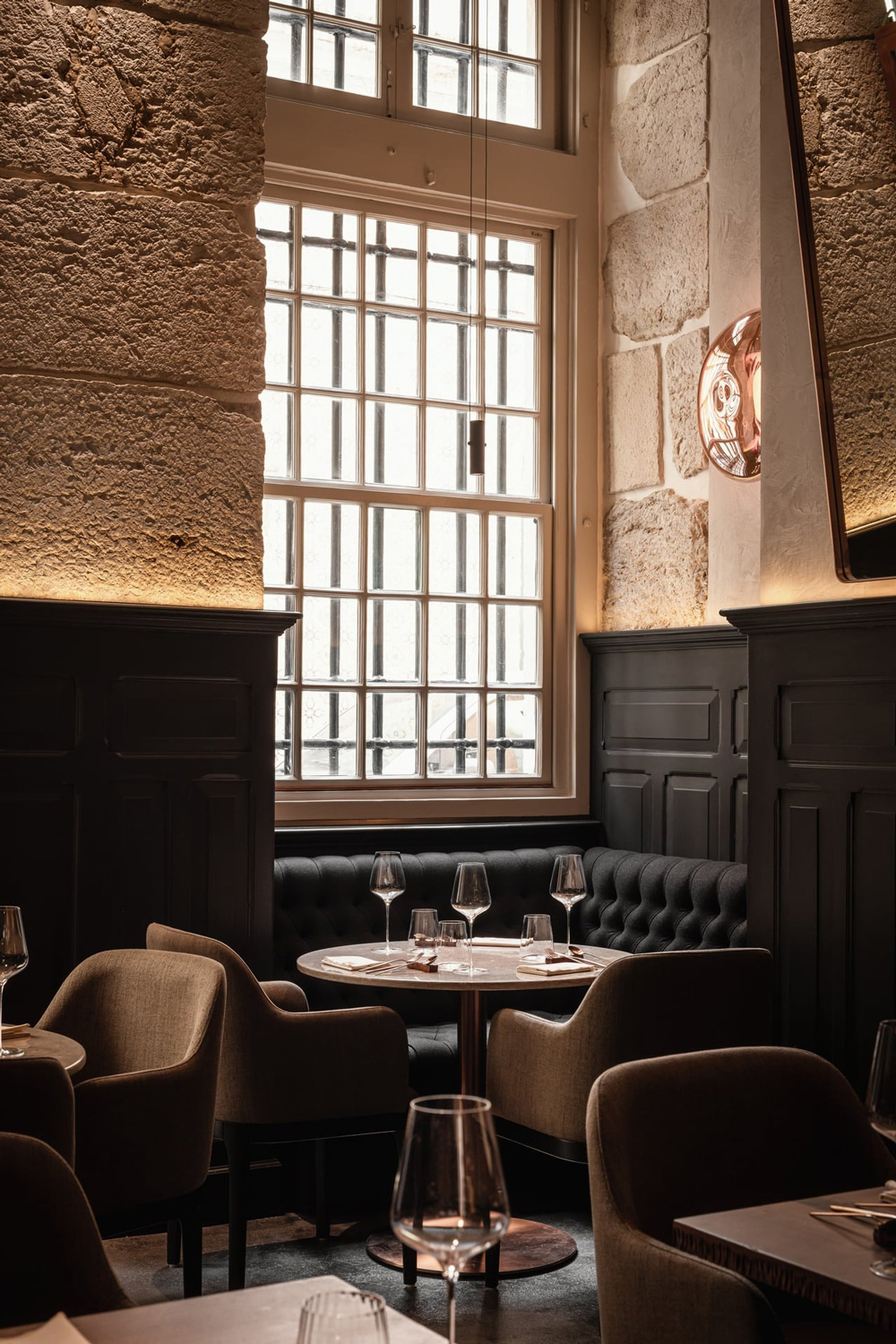
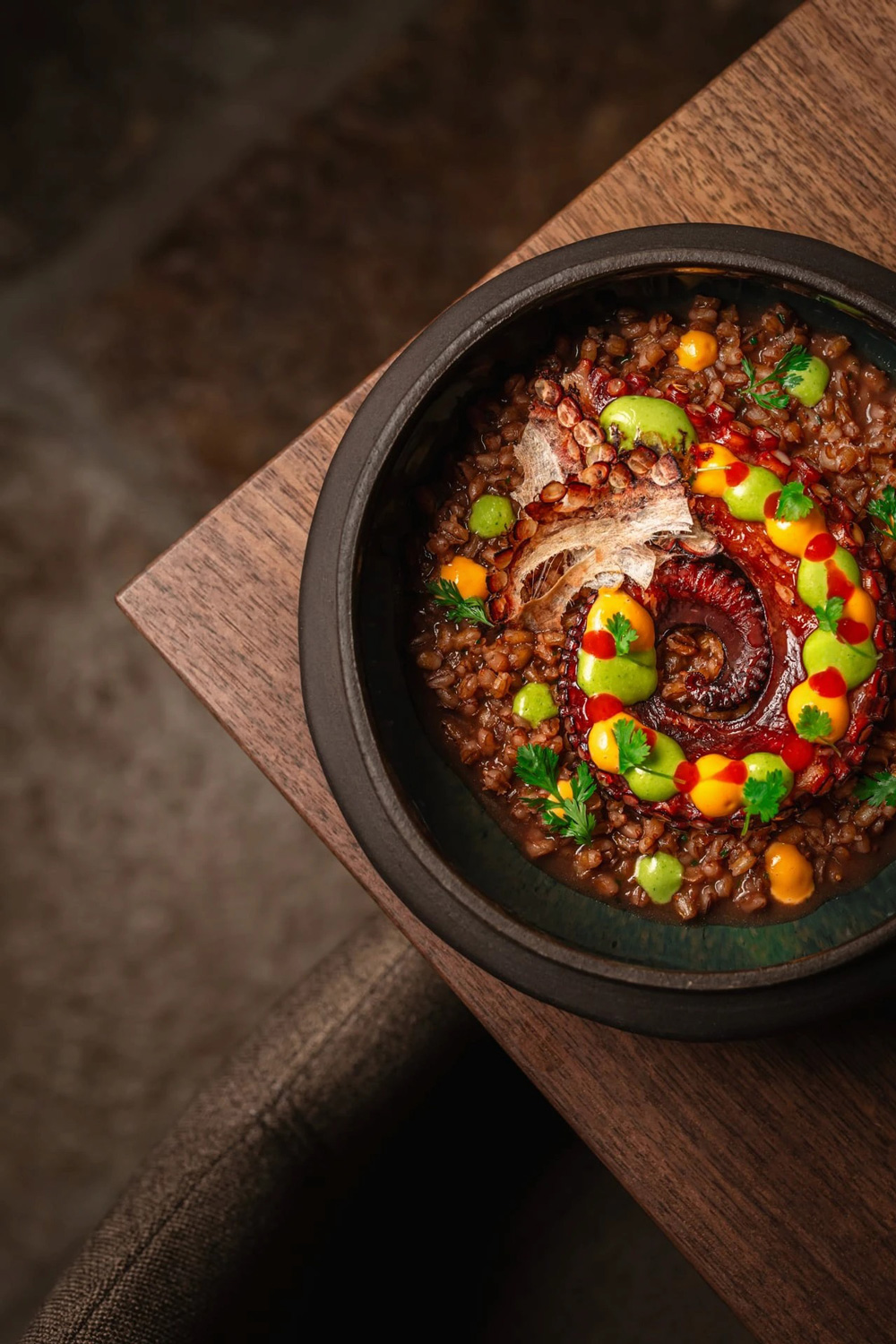
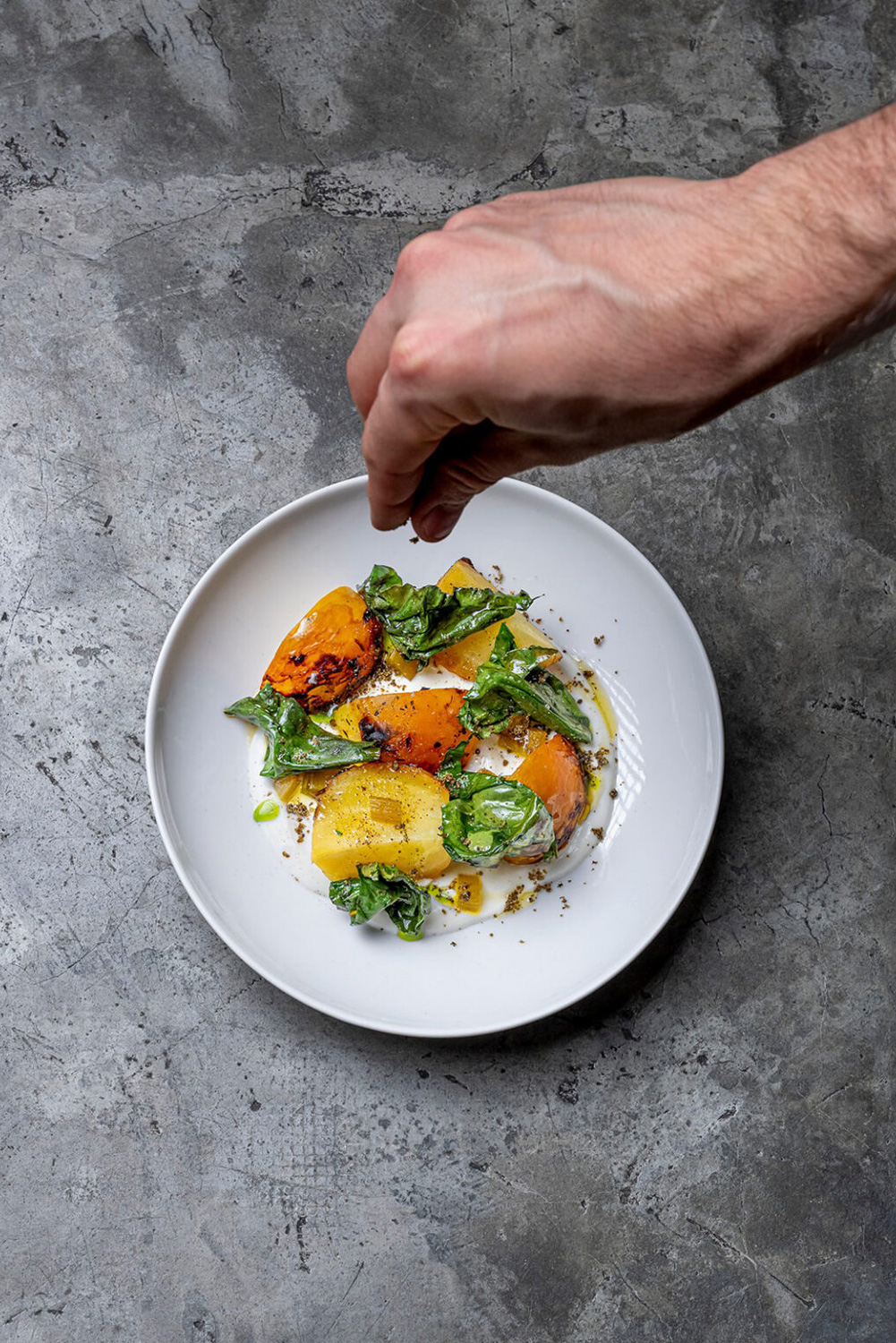
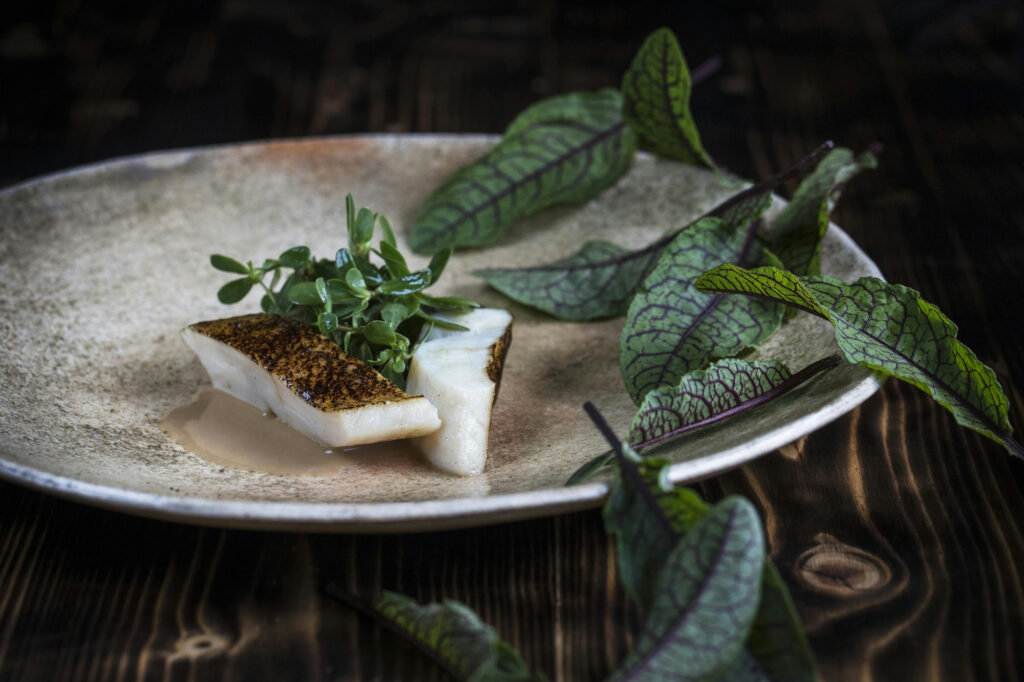
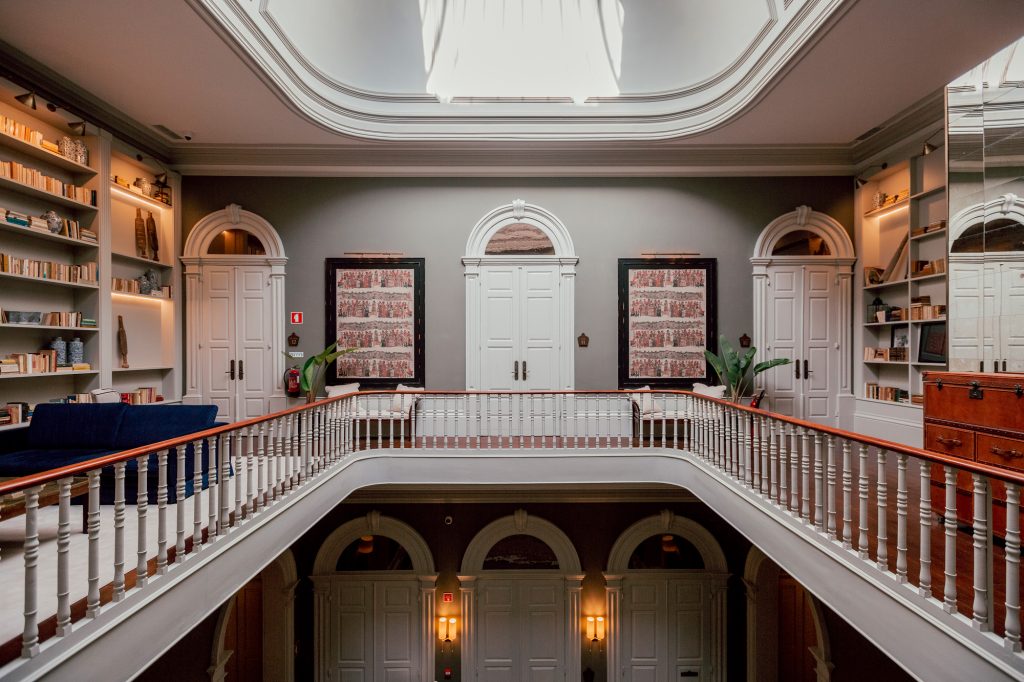
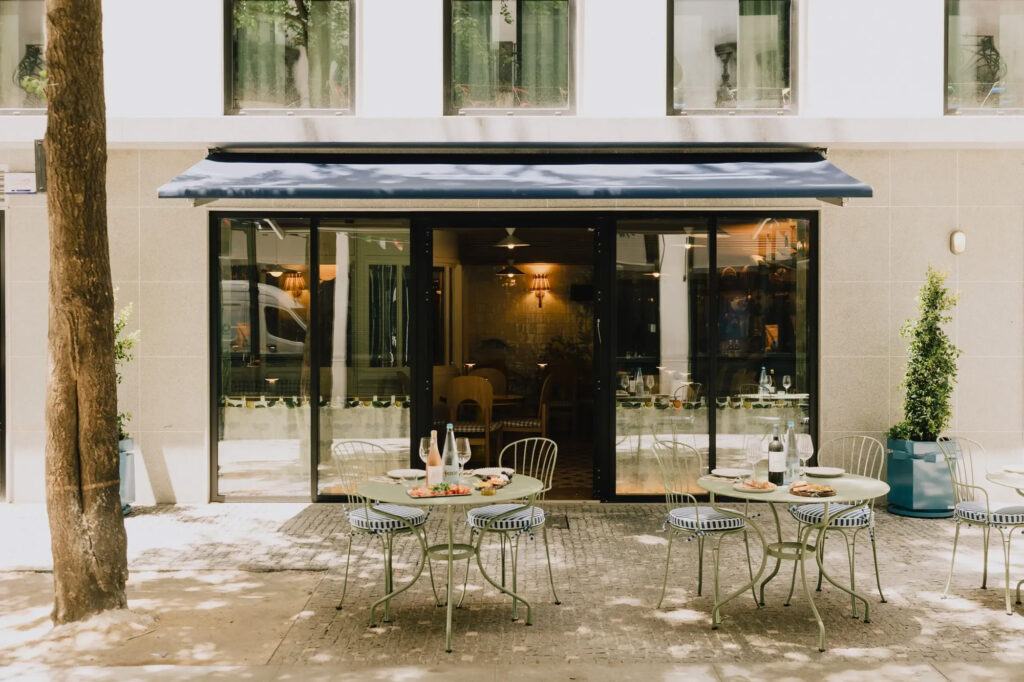
Isabella gives Lisbon’s Chiado a restaurant where Portuguese produce matters more than culinary labels. Chef Ricardo Leite, whose background includes Feitoria, Loco and Hyatt Regency Lisboa, works with line-caught fish from Peniche, Iberian pork from Alentejo and other small producers, using French technique without turning the food into French cuisine. Architect Ricardo Flora restored the almost 200-year-old Pombaline building, preserving stone floors and pine furniture from the former A Vida Portuguesa shop. Around 280 wines, curated by sommelier Pedro Nogueira, are available almost entirely by the glass, while handmade Portuguese ceramics make every table setting slightly different.
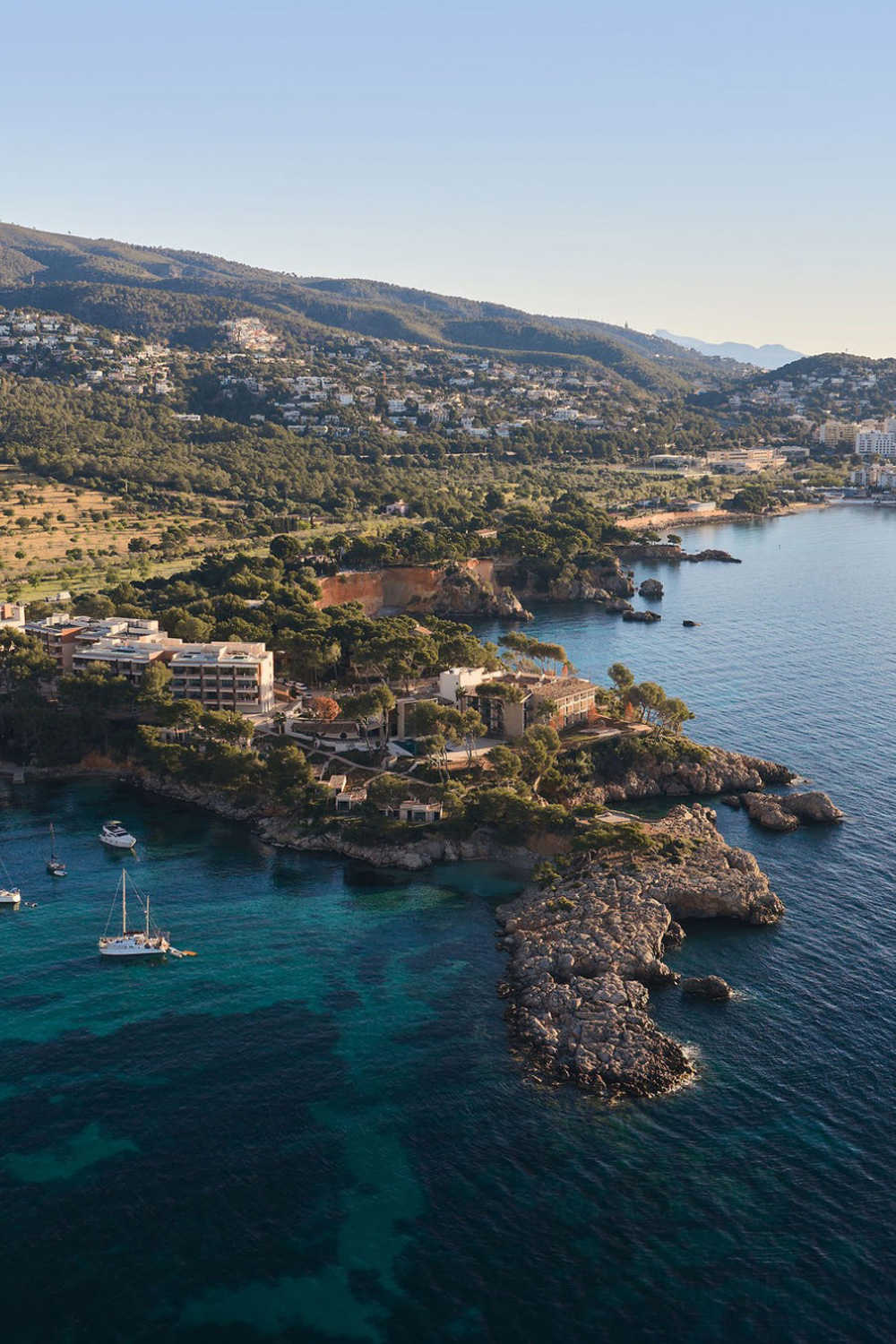
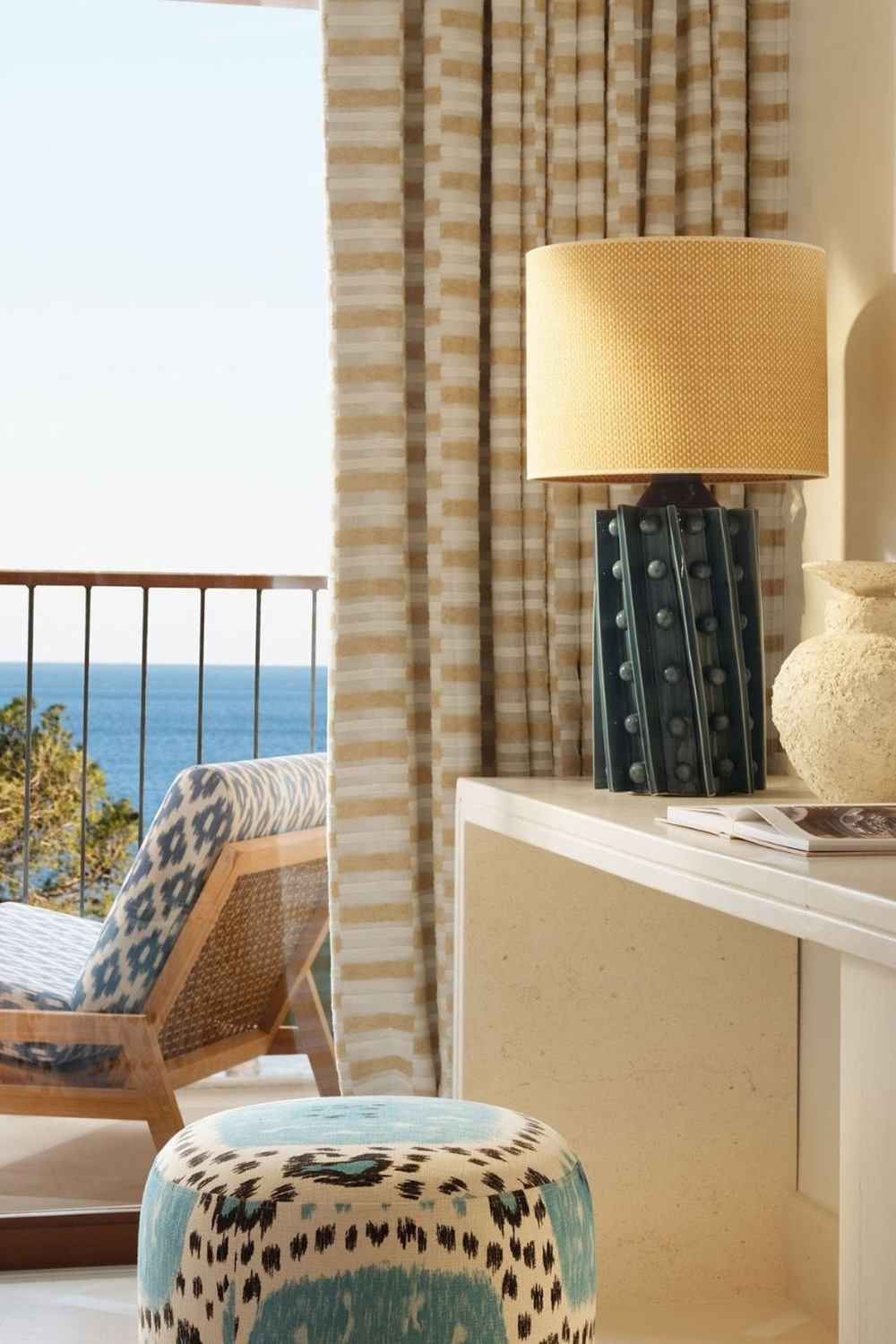
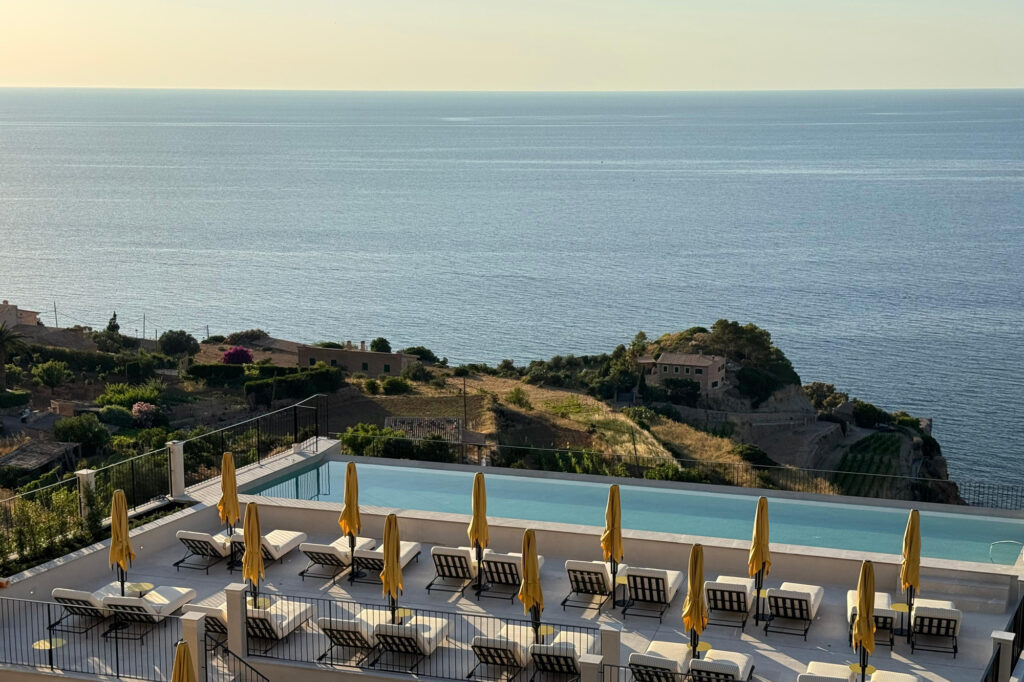
Spread across a pine-covered headland with access to two secluded coves, Mandarin Oriental Punta Negra is a substantial resort that lets Mallorca’s coastline set the plan. Opened in June 2026, it has 131 rooms and suites across five buildings, including nine casitas, 13 rooms and suites with plunge pools and five rooftop suites with private pools. Interiors use hand-placed stone, natural materials and a soft neutral palette, with art integrated throughout the rooms, gardens and terraces. Six dining venues range from Nobu Matsuhisa’s Nikkei cooking and Dani García’s fire-led Leña to Mediterranean and Levantine food at Leppoc. Four pools and a spa with nine treatment rooms complete the resort.
Photography courtesy of Mandarin Oriental Punta Negra
00
17/2
Trü
Barcelona, Spain
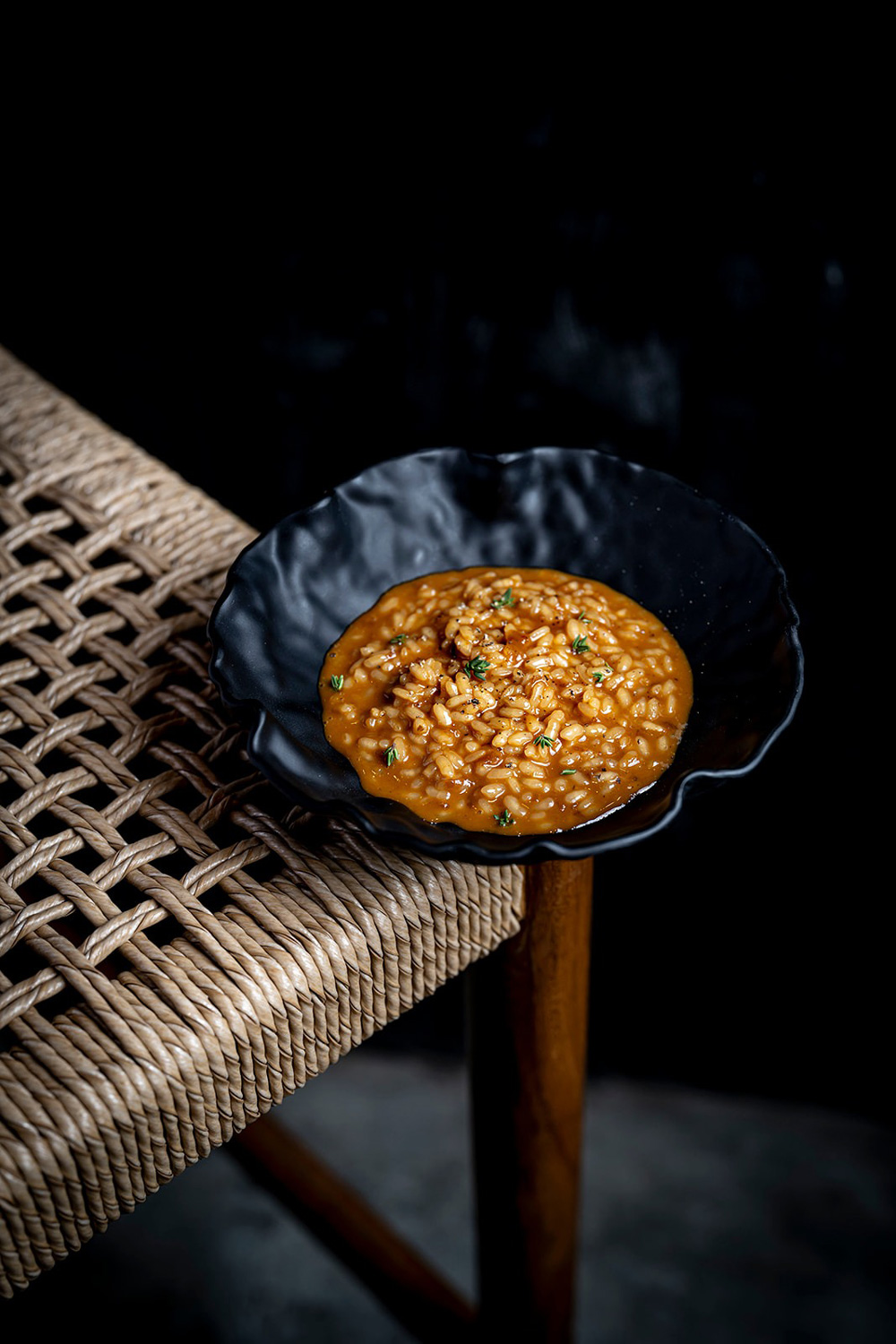
Artur Martínez could have waited for Aürt to return and stayed in Michelin suspense. Instead, Trü puts his Catalan thinking into a tavern register on Còrsega, in the former Palo Verde space. The cooking looks backwards without getting stuck there: thyme consommé drunk from a bowl, tortilla with cap i pota juice, fricandó tongue skewers, trinxat waffle with cabbage, creamy roast-chicken rice and frozen coca de llardons for dessert. It is still chefly, sometimes proudly so, but the better moments come when Catalan memory is allowed to be odd, warm and slightly unruly. Start with the consommé.
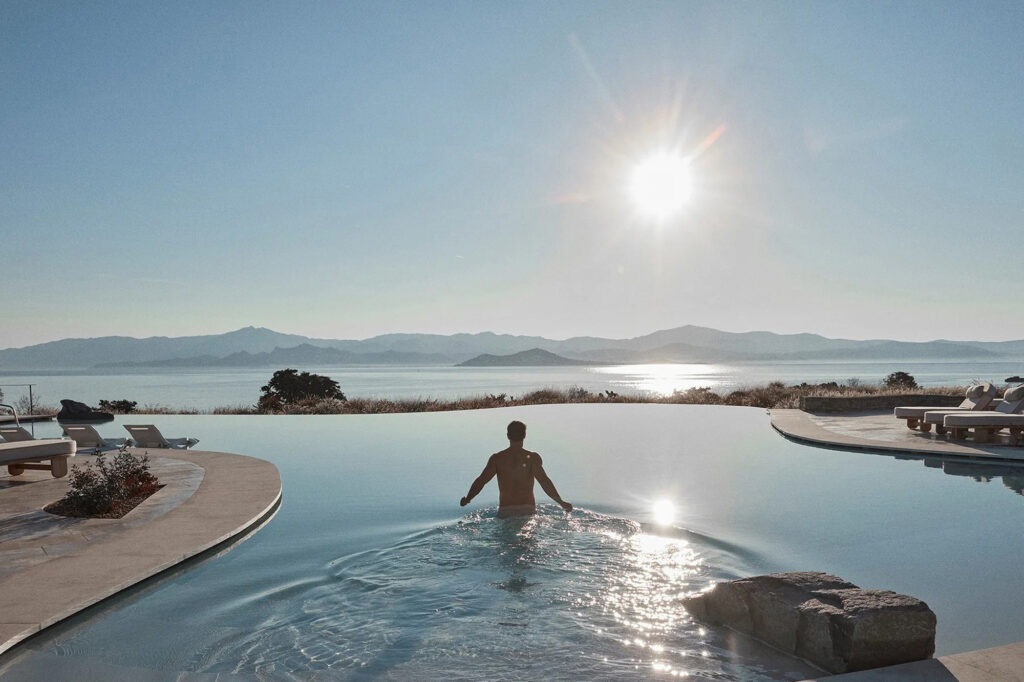
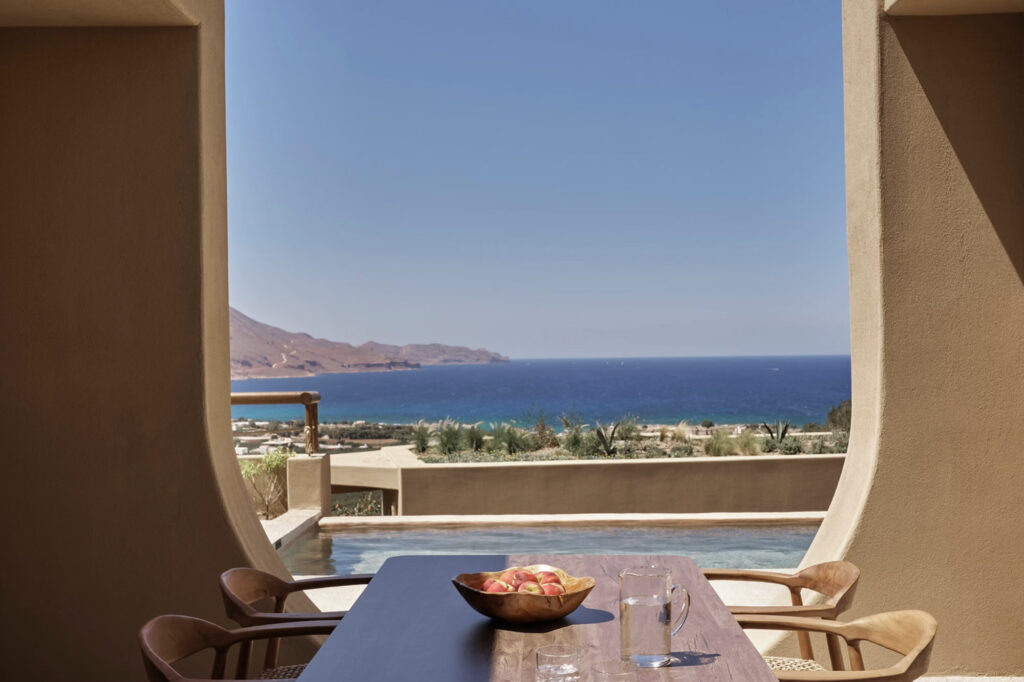
Milos’ volcanic landscape does not stop at the threshold at Eréma. Set on the island’s south-eastern coast at Cape Chalaka, the 41-suite retreat gives every room a private pool and uninterrupted Aegean views. Aristides Dallas Architects, Micromega and ID Laboratorium used stone, marble and softened earth tones to echo the island’s caves and mineral terrain without turning them into set dressing. Halaka serves breakfast and lunch beside the pool, while Akiton takes over at dinner with sunset views. Elios Spa adds treatment rooms, an outdoor heated pool and a shaded platform for yoga, making the hotel as much about staying put as exploring Milos.
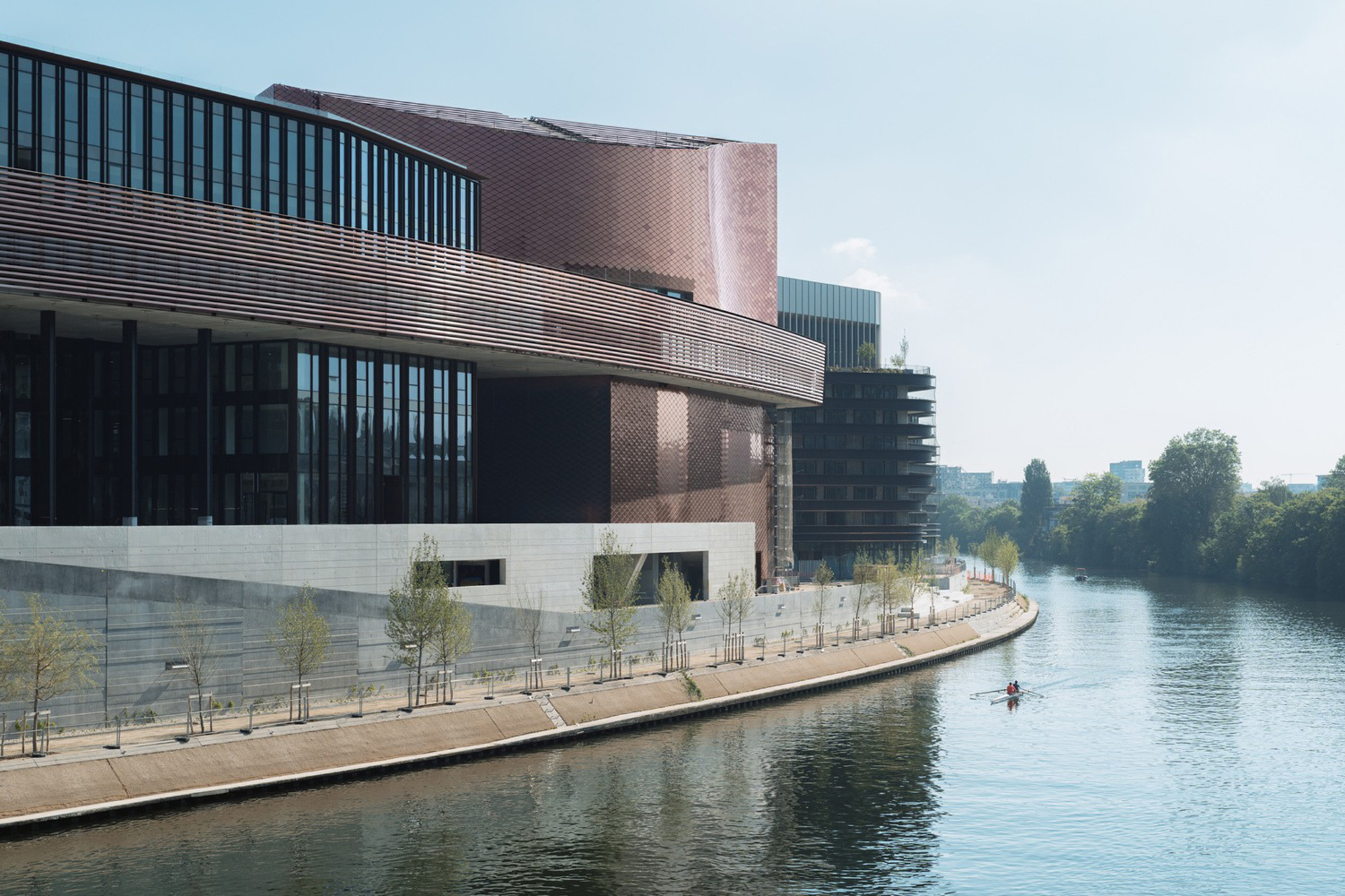
Large turns Île Seguin’s Renault past into raw material for contemporary art. The 5,000-square-metre institution, created by Groupe Emerige and directed by Paula Aisemberg, occupies RCR Arquitectes’ first Paris project, developed with CALQ at Pointe des Arts. Half the building is devoted to exhibitions, including a 1,000-square-metre main gallery, with aluminium screens filtering daylight through the spaces. The programme focuses on contemporary art from France, spanning emerging practices and established figures. Its industrial setting is integral to the idea: exhibitions and commissions can draw directly on an island shaped for decades by one of Europe’s great car factories.
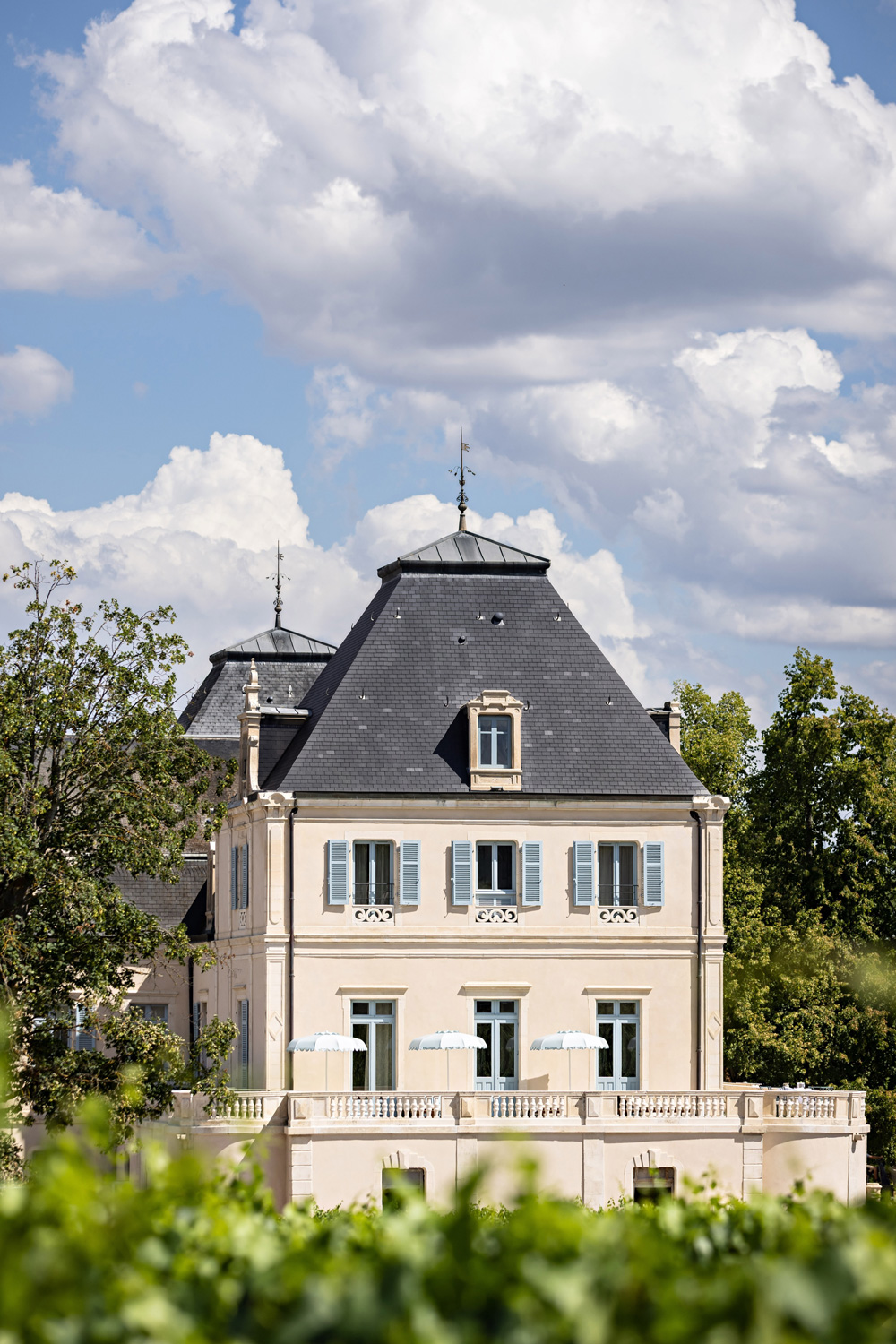
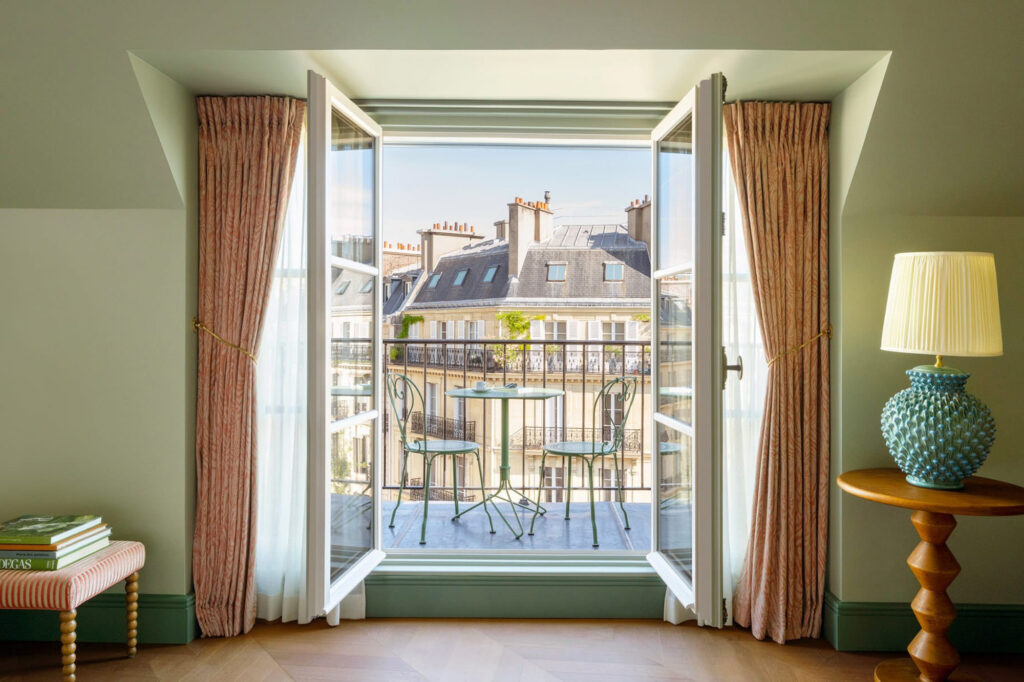
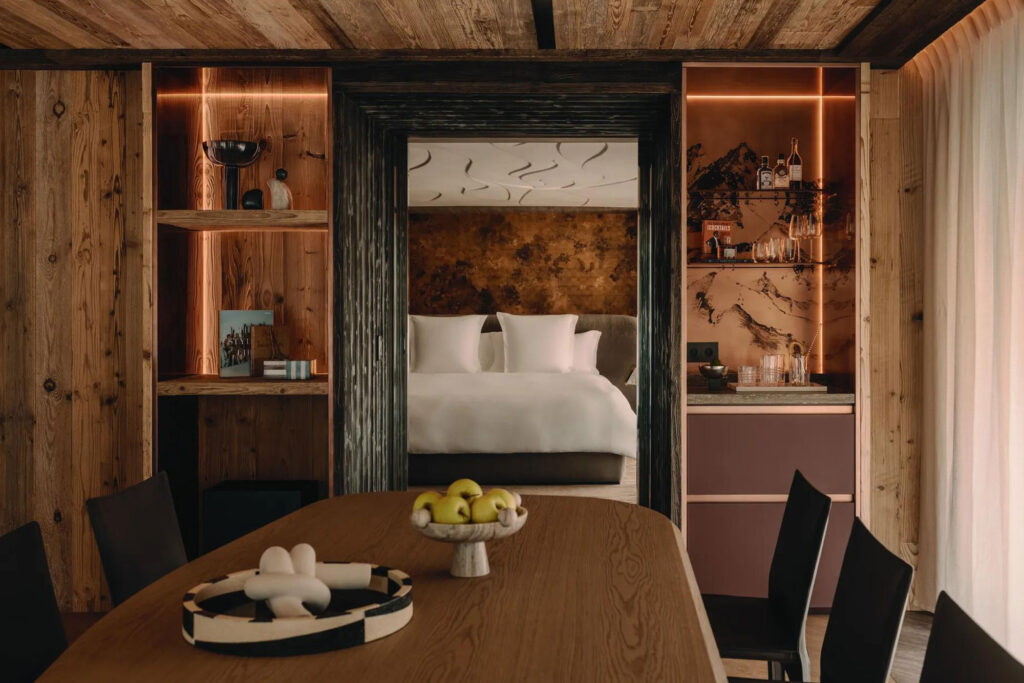
Burgundy’s wine history literally sits beneath Château de Cîteaux: 12th-century cellars dug by Cistercian monks survive under the 19th-century house. Fontenille Collection has restored the Meursault estate around those layers, with historic stone, natural materials and rooms looking towards the vineyards. Chef Christophe Vauthier leads Célestine, where Burgundy’s produce and wines take centre stage, while an Alaena spa draws on herbalism and Asian massage traditions. The location does the rest: Meursault’s celebrated vineyards begin outside the grounds, putting cellar visits, tastings and the Côte de Beaune landscape into the rhythm of a stay rather than treating wine as decoration.
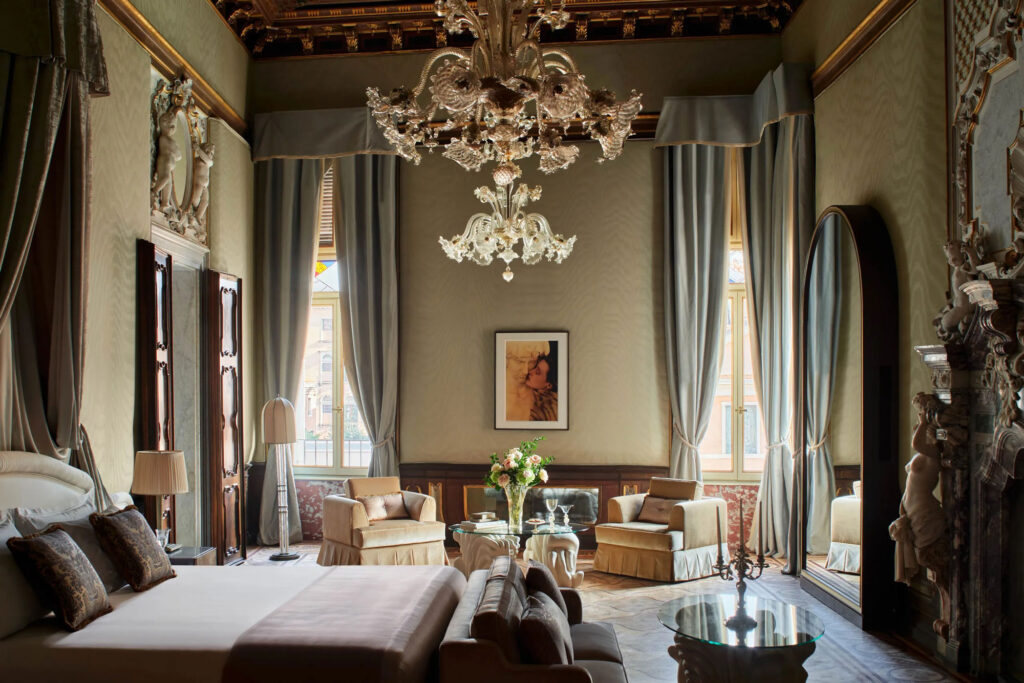
Quiet gardens and a view straight across to St Mark’s Square set the tone on Giudecca, where Airelles Palladio Venice occupies a sixteenth-century property with the rare luxury of space. Inside, hand-painted frescoes, Rubelli and Fortuny fabrics and antique furniture give the 17 rooms and 28 suites real texture rather than generic palazzo gloss. The draw, though, is how much the place lets you exhale: nearly a hectare of gardens, three pools and a 1,700-square-metre spa in a city that usually asks you to keep moving. Five minutes by boat gets you back into central Venice, but that is not really the point.
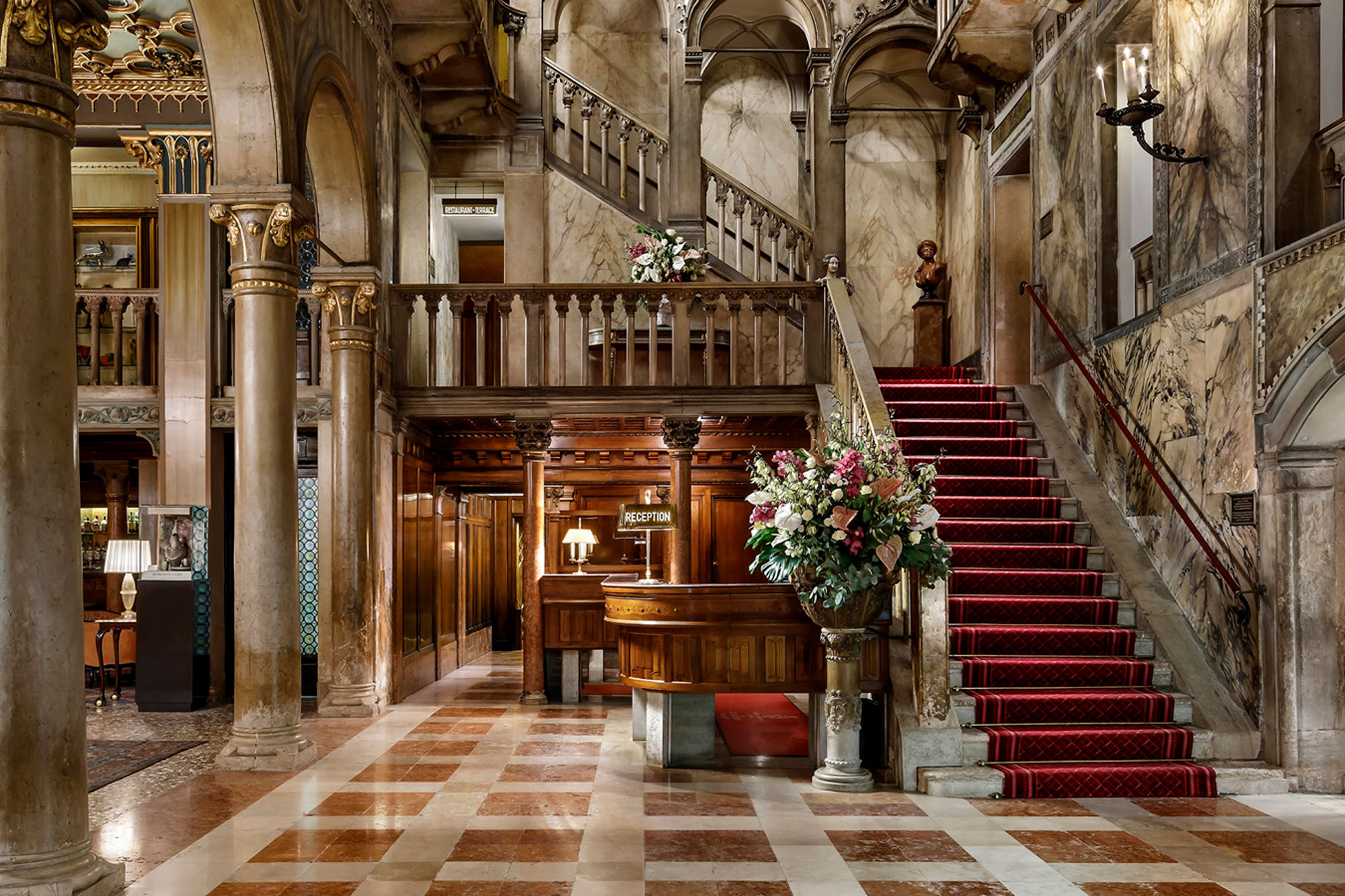
Hotel Danieli has never pretended to be discreet. It sits openly on the Riva degli Schiavoni, facing the lagoon with the confidence of a building that knows it has seen more Venetian history than most museums. What makes it singular is not polish, but accumulation. Three palazzi from different centuries stitched together by bridges and staircases, with no attempt to smooth the seams. You move from the 14th-century Palazzo Dandolo into later additions almost without noticing, except for a sudden change in ceiling height, light or temperature. Public spaces feel ceremonial, almost excessive, while some rooms retain an idiosyncratic, old-world awkwardness that newer luxury hotels edit out. Arrival by boat still matters here. Under Four Seasons management from 2026, the interest lies in restraint: preserving Danieli’s irregularity, theatrical scale and unapologetic historic weight, rather than sanding it down into something polite.
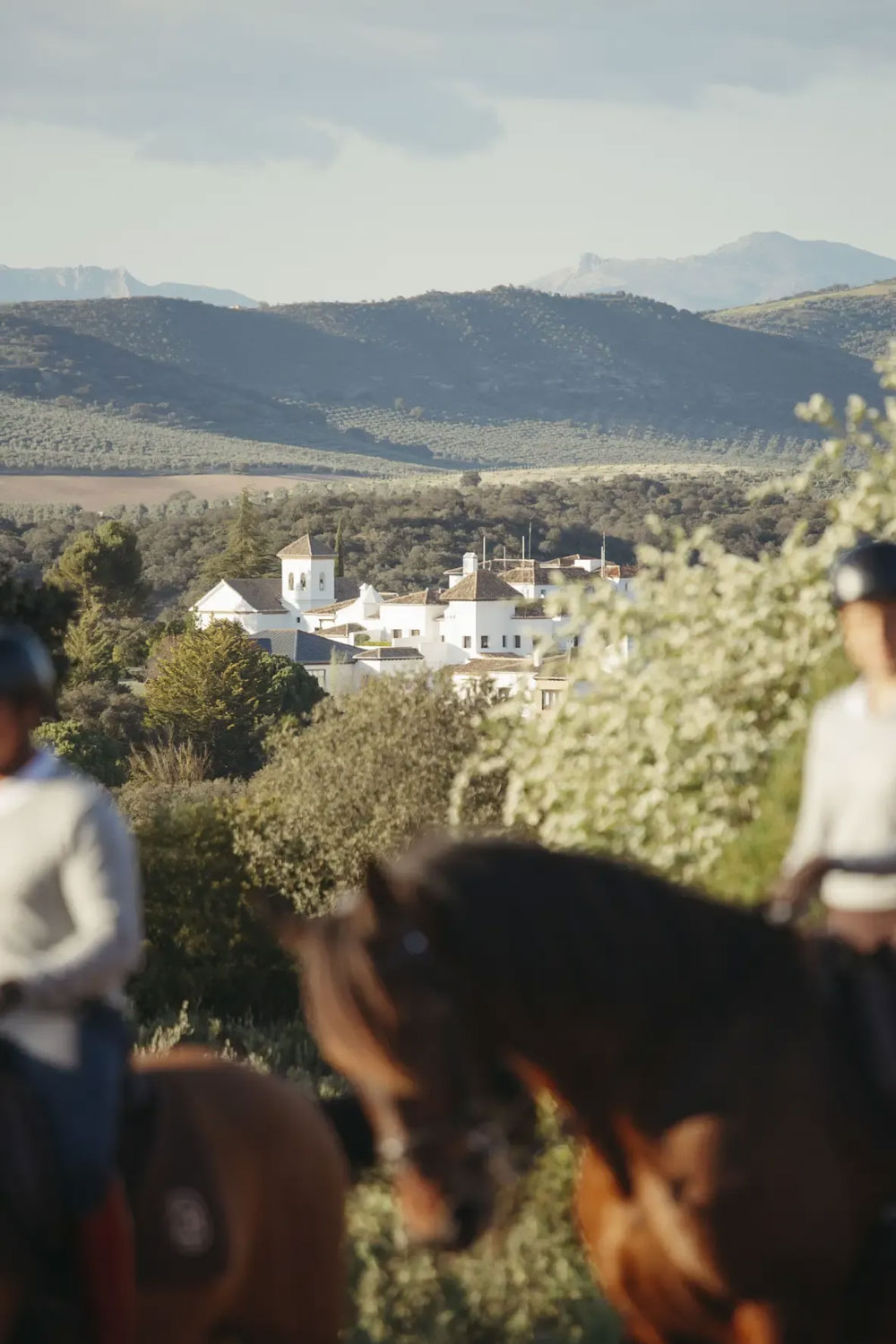
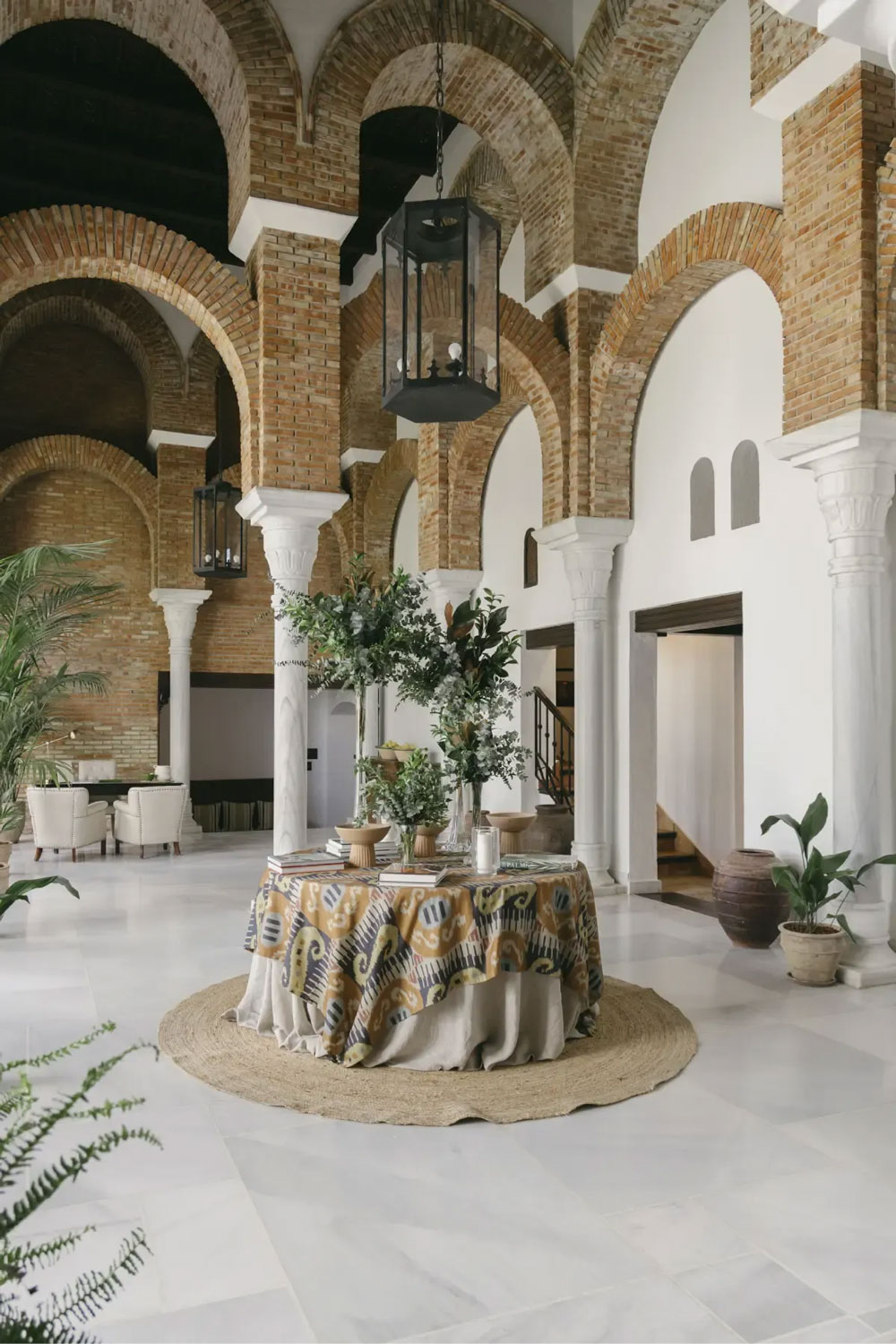
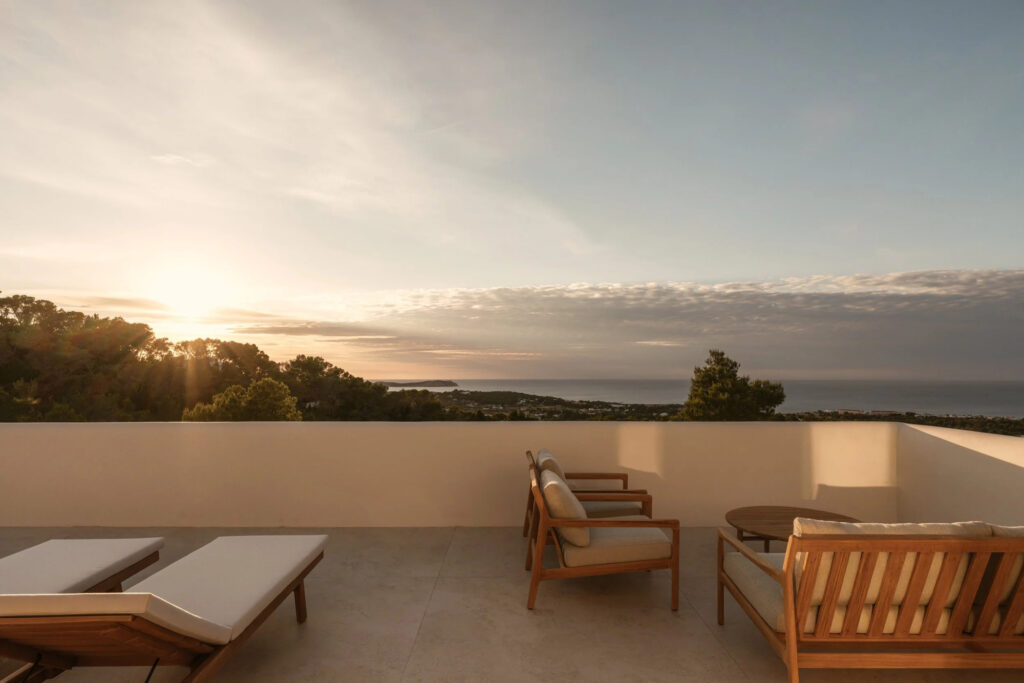
Whitewashed like its own Andalusian village, Finca La Bobadilla sits deep in the Sierra de Loja between Málaga and Granada, spread across a 350-hectare estate that rewards anyone happy to disappear for a few days. The 73 rooms and suites use wood, marble and forged iron rather than resort slickness, which keeps the mood rooted in the setting. There is a proper spa, horse riding, hiking and enough ground to make staying on site feel like the whole point. This is one for long lunches, late swims and the kind of southern Spain that feels slightly removed from the obvious circuit.
Finca La Bodadilla
Finca La Bobadilla Carretera Salinas, 5, A-333, Km. 65
Archidona
Spain
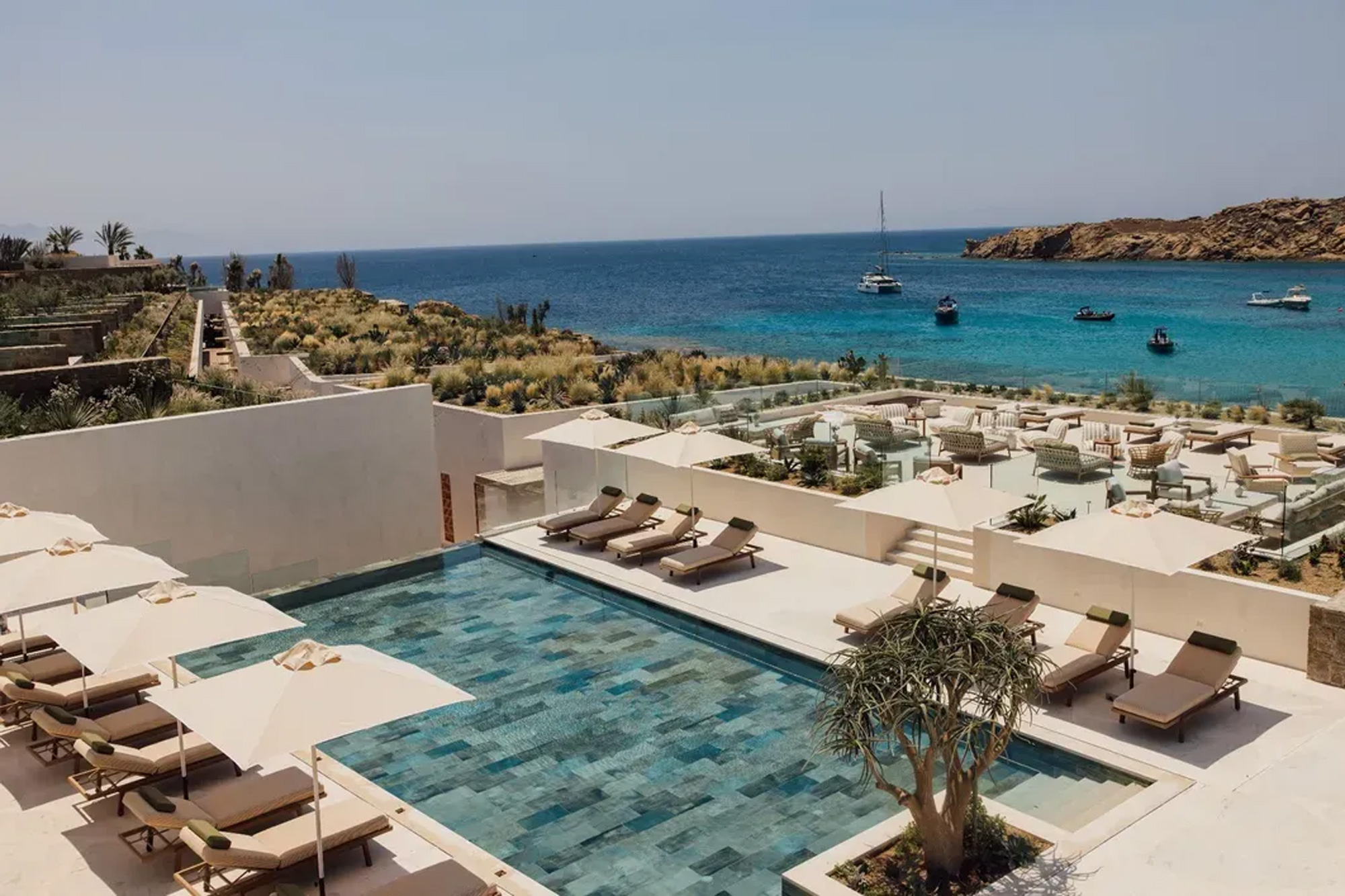
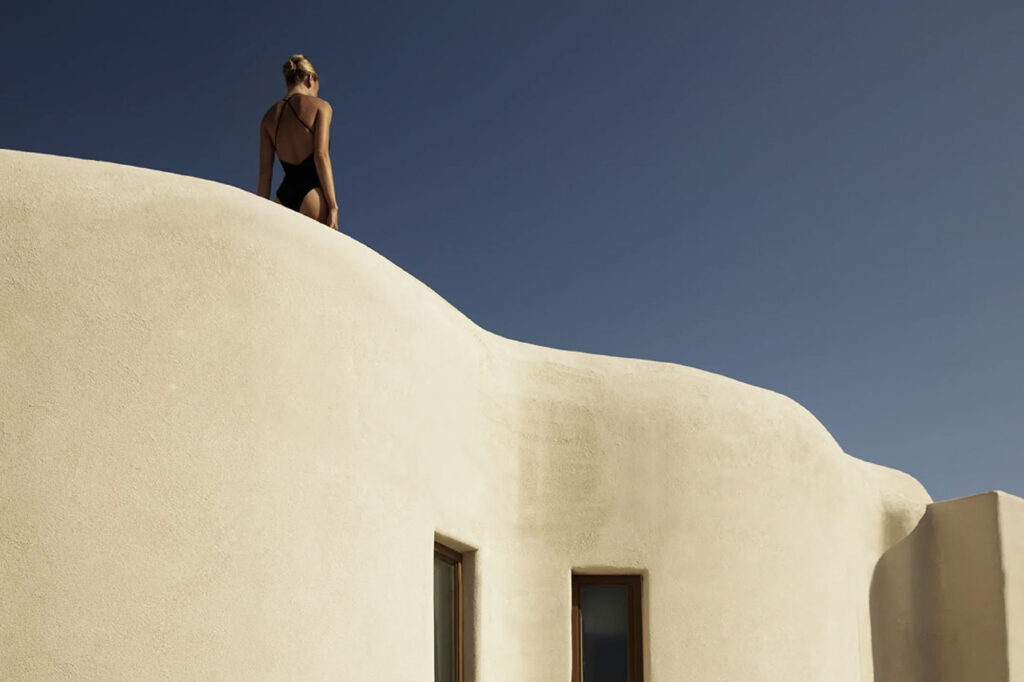
Rock, light and sea set the tone at Fouquet’s Mykonos, Barrière’s first hotel in Greece and the fifth address under its Fouquet’s name. Kydoniatis Architects shaped the low Cycladic volumes into the rocky Paraga coastline, with interiors by Divercity Architects and Variation Studio using stone, timber and restrained earth tones. The resort combines 60 suites and three villas with direct beach access, private pools and Rock Spa, while food moves from Greek-Mediterranean cooking at Éole to Japanese robata at Roka. Between Paraga and Paradise beaches, it keeps Mykonos nightlife close without turning the hotel itself into a beach club.