Every season, a few Mediterranean openings and projects land before the wider hype catches up. The Mediterranean hot list is our seasonal dossier of what’s shaping the cultural and creative landscape across the Med, from design-forward launches and smart new addresses to exhibitions and events that are actually worth planning around. Everything here is filtered hard, with the names and details that matter.
Top photography courtesy of Stefan Giffthaler and Le Sirenuse Mare
00
23/4
Le Sirenuse Mare
Nerano, Italy
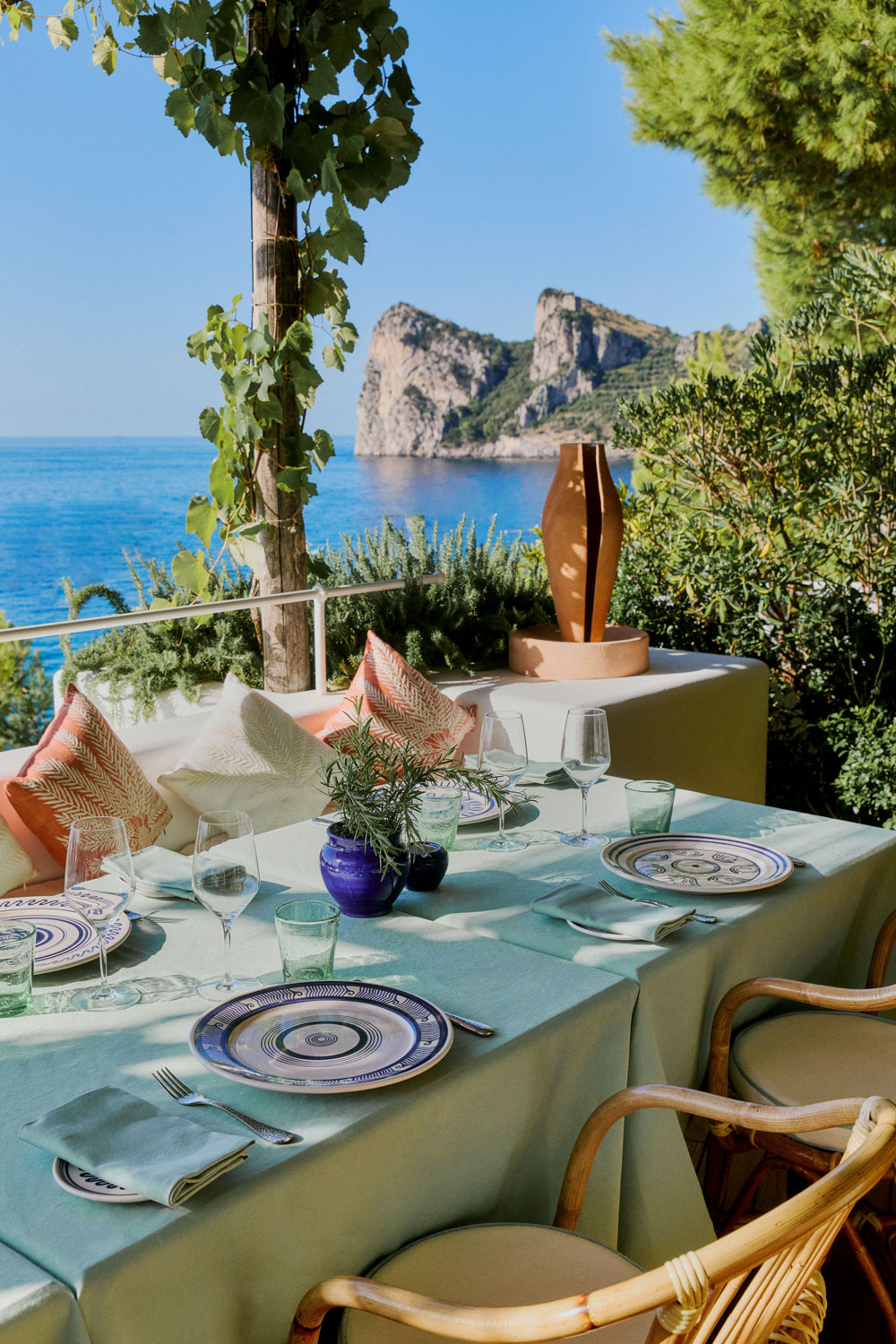
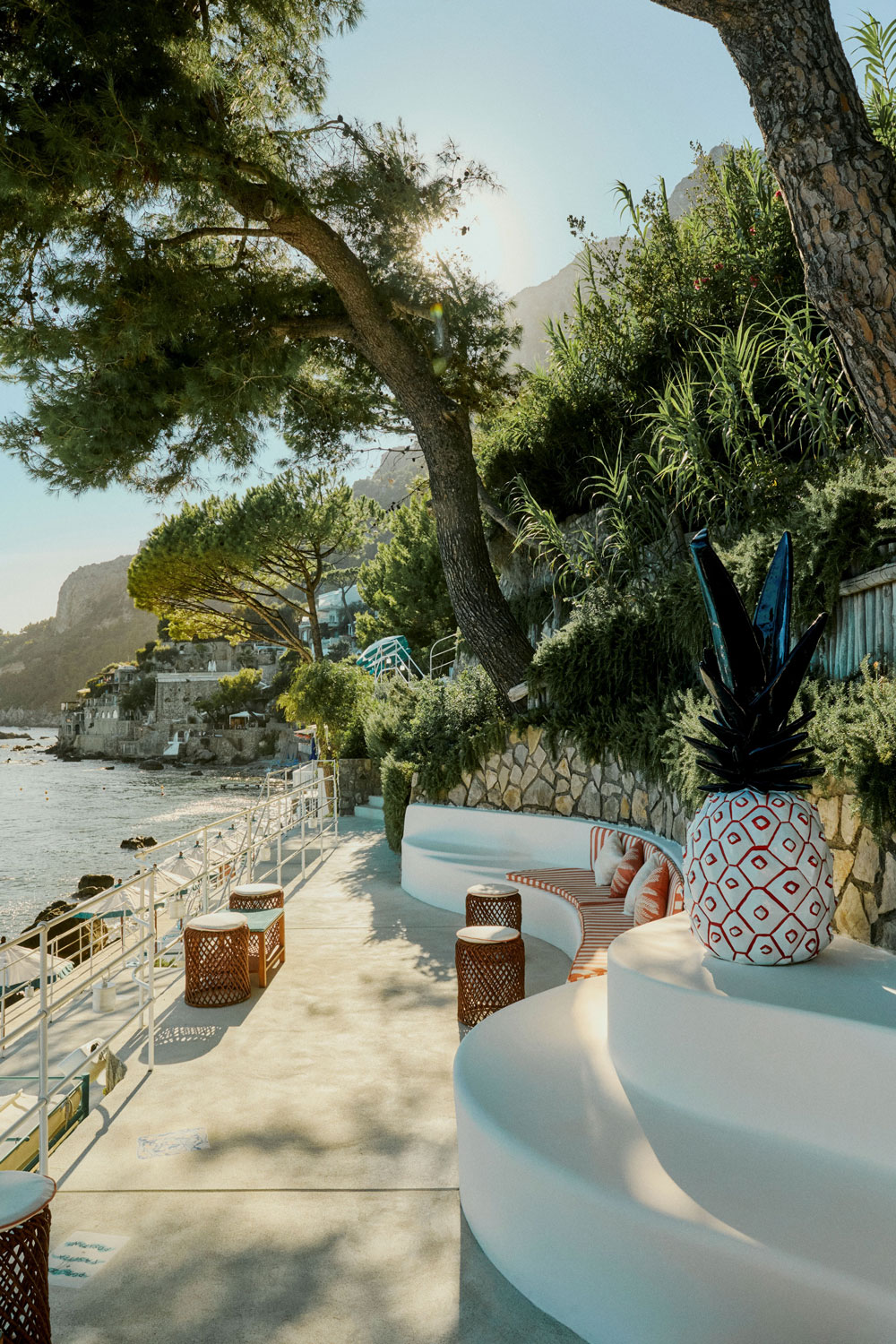
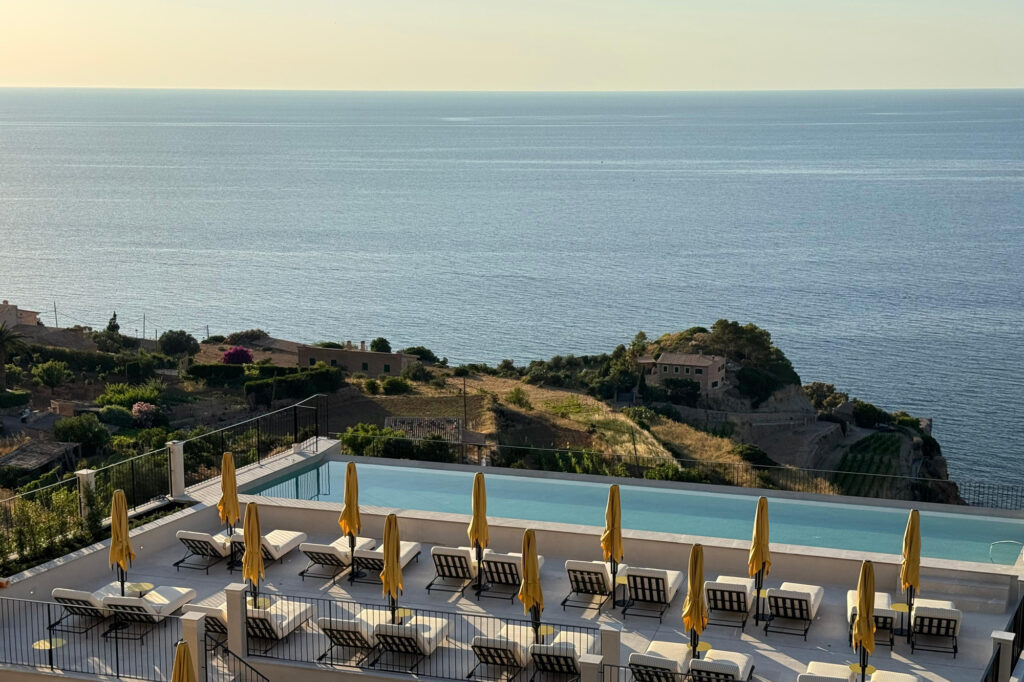
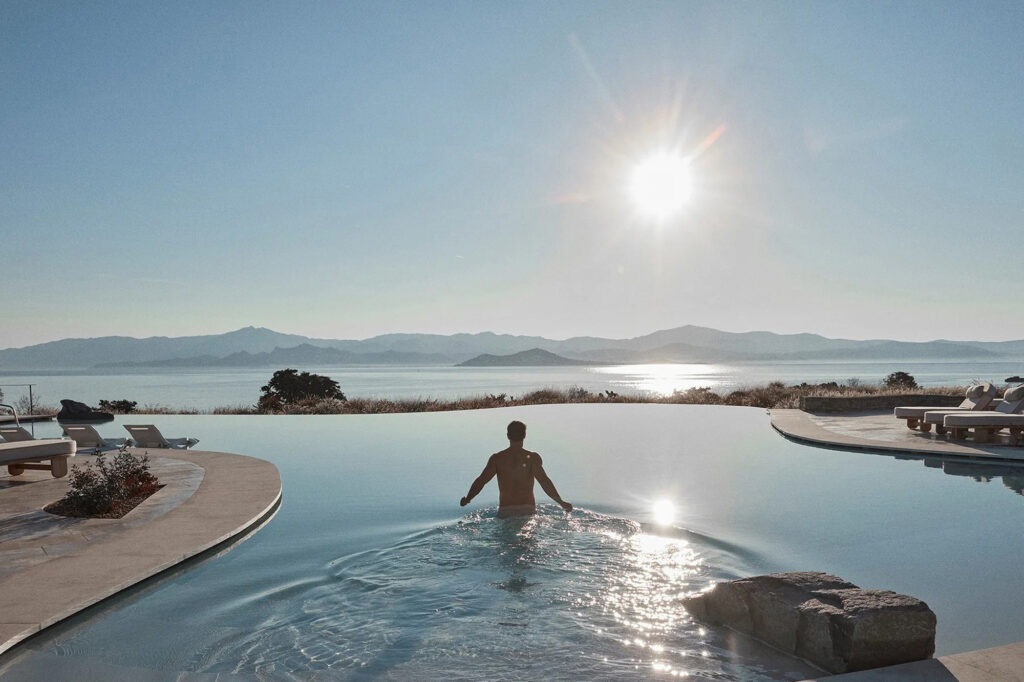
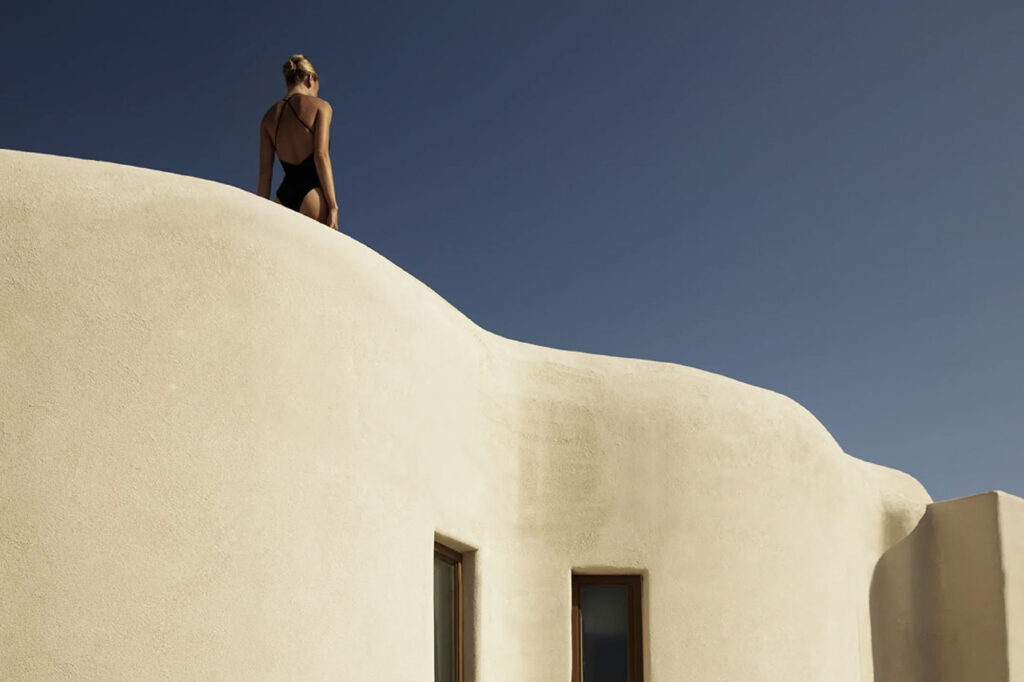
Le Sirenuse Mare carries more history than the average long-lunch address. It comes from the Sersale family, who turned their Positano summer villa into Le Sirenuse in 1951 and built one of the Amalfi Coast’s defining hotels from it. In Nerano, that world moves down to sea level: terraces rising from the pebble beach, two jetties, three bars, Emporio Sirenuse and a 180-seat restaurant under chestnut pergolas. Chef Francesco De Simone handles the food with seasonal Campanian lunches that suit salt air and a second bottle. This is how one of the coast’s old families does a beach club.
Photography courtesy of Stefan Giffthaler and Le Sirenuse Mare
00
10/4
Hôtel Bus Palladium
Paris, France
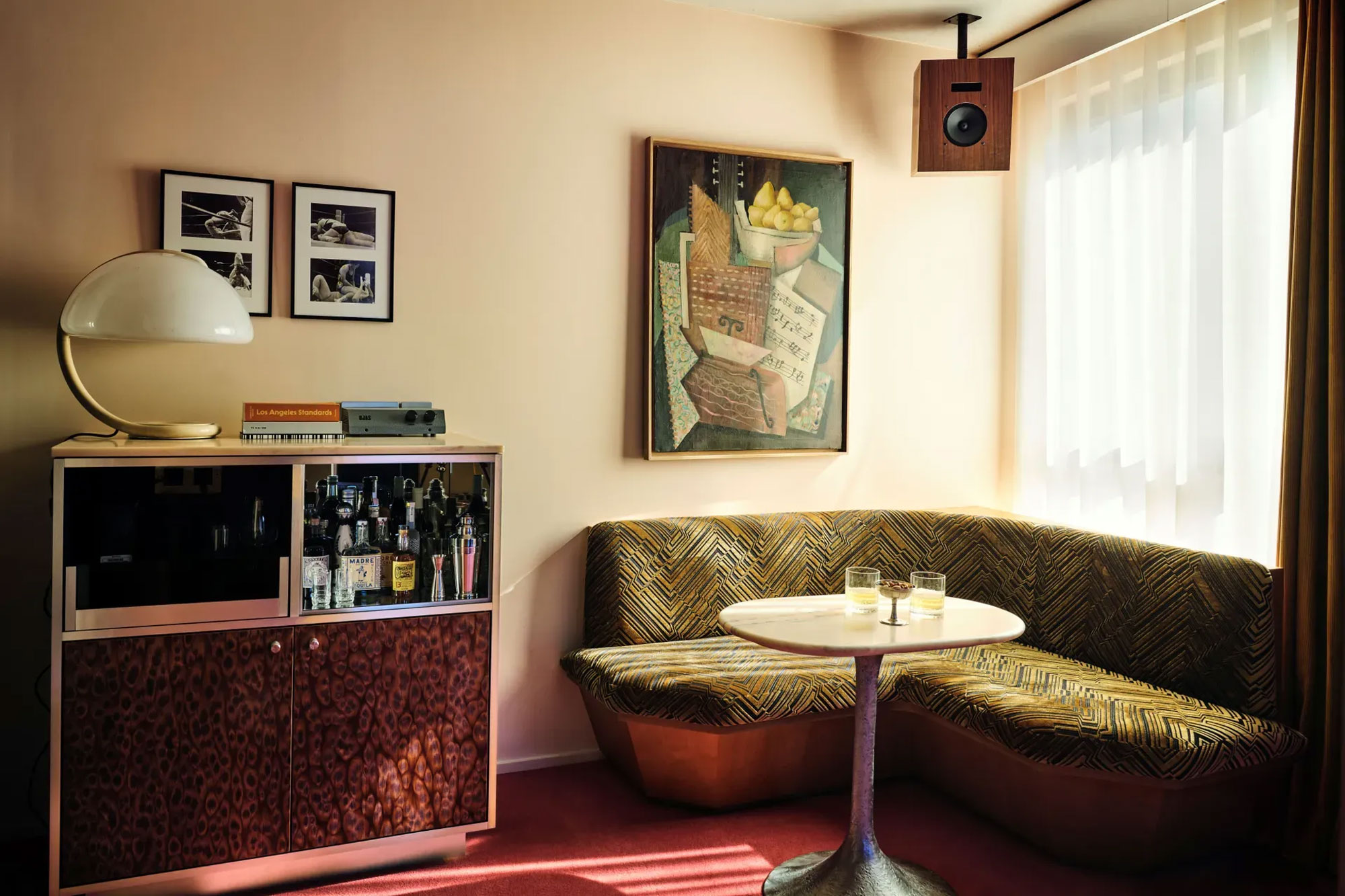
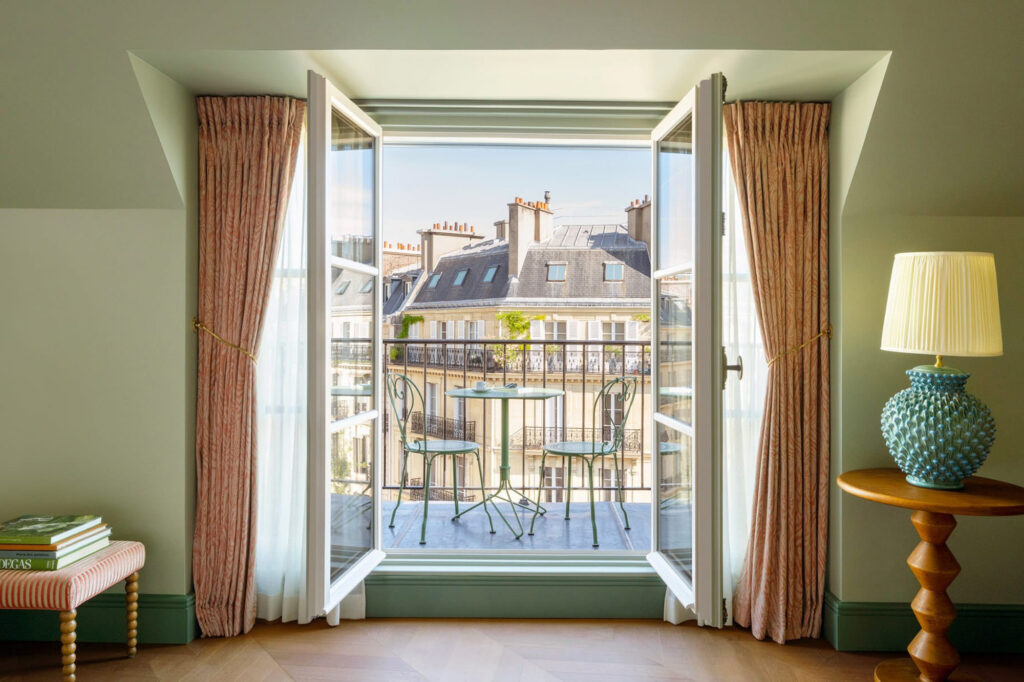
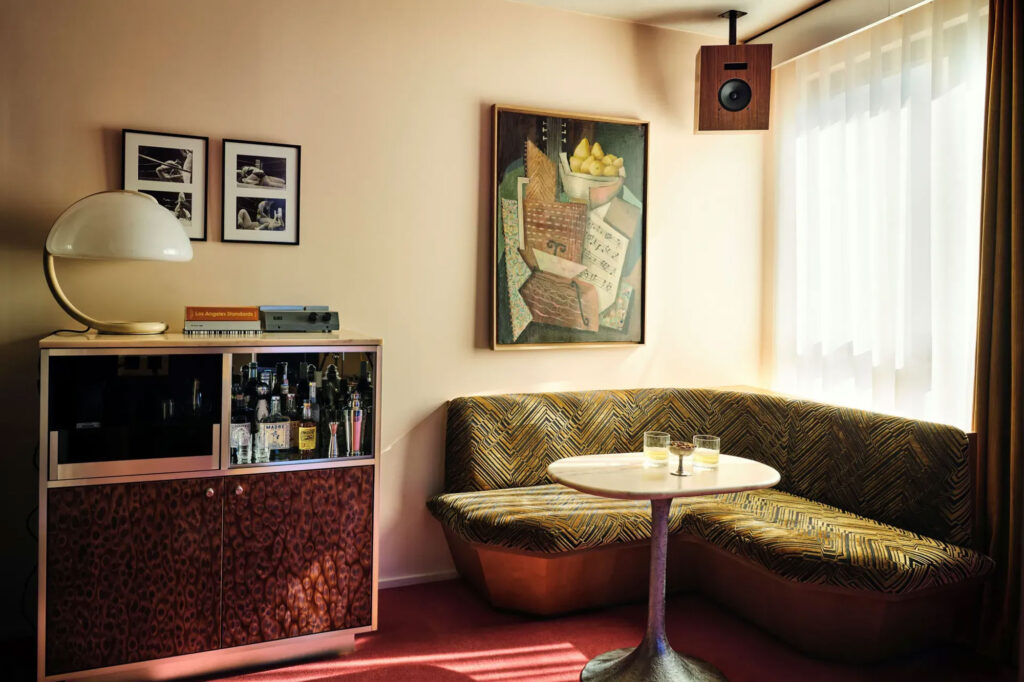
Pigalle’s old rock club now has room keys, which is exactly the kind of Paris excess worth taking seriously. Hôtel Bus Palladium turns the 1965 nightlife landmark into a five-star, 35-room hotel by Chapitre Six Hotels, with Studio KO pushing the building into cork walls, raw concrete, red velvet, microphone-stem door handles and vintage ‘On-Air’ sliders. Caroline de Maigret handles the artistic direction, from amber scent to playlists and denim-corduroy uniforms. Book the Dalí Suite for 70 square metres, a balcony, red neon view, Murphy bed and retro-futurist furniture; stay downstairs for Valentin Raffali’s restaurant-bar and the revived Bus Palladium club.
Photography courtesy of Matthieu Salvaing and Bus Palladium
00
25/4
Fondazione Dries Van Noten
Venice, Italy
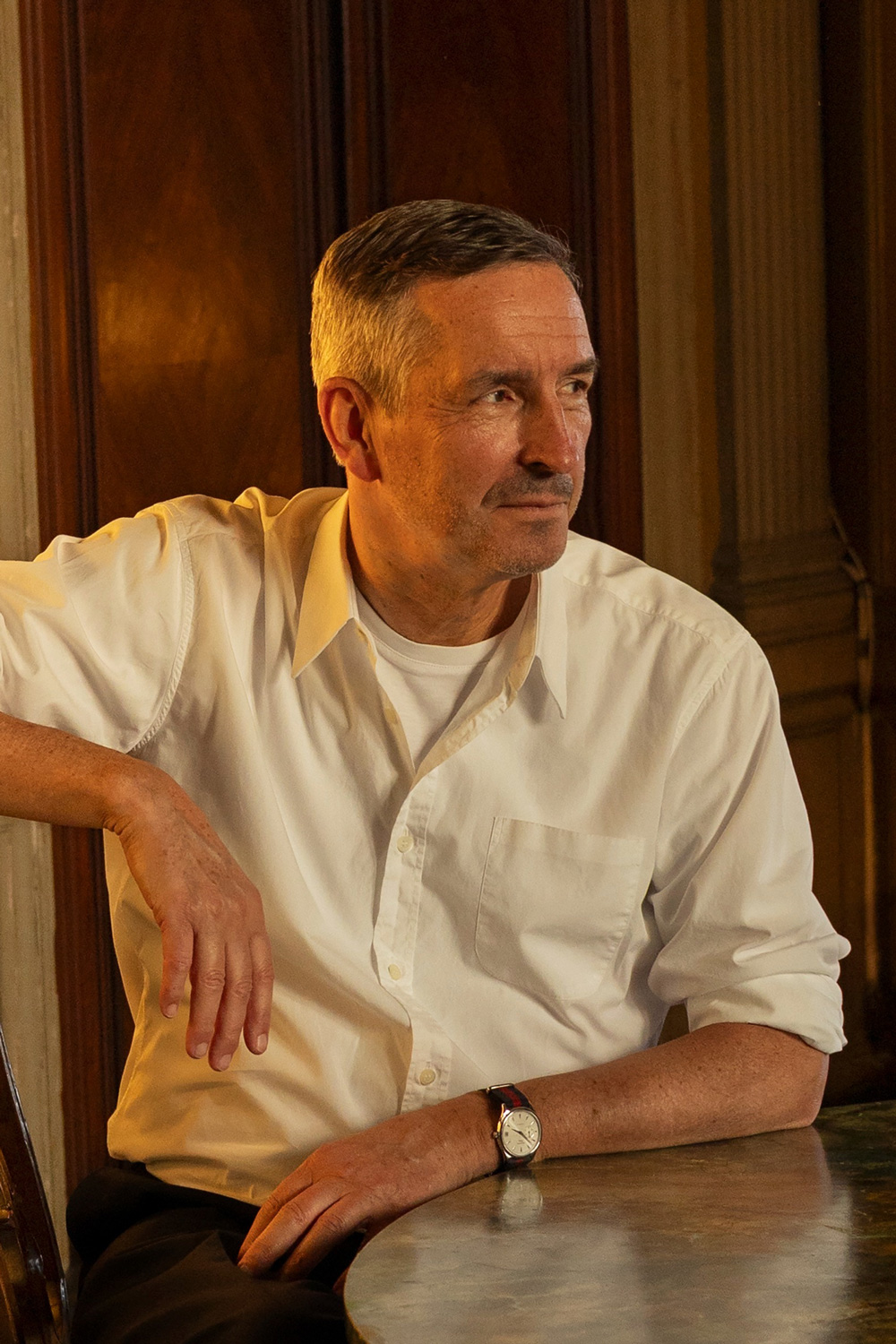
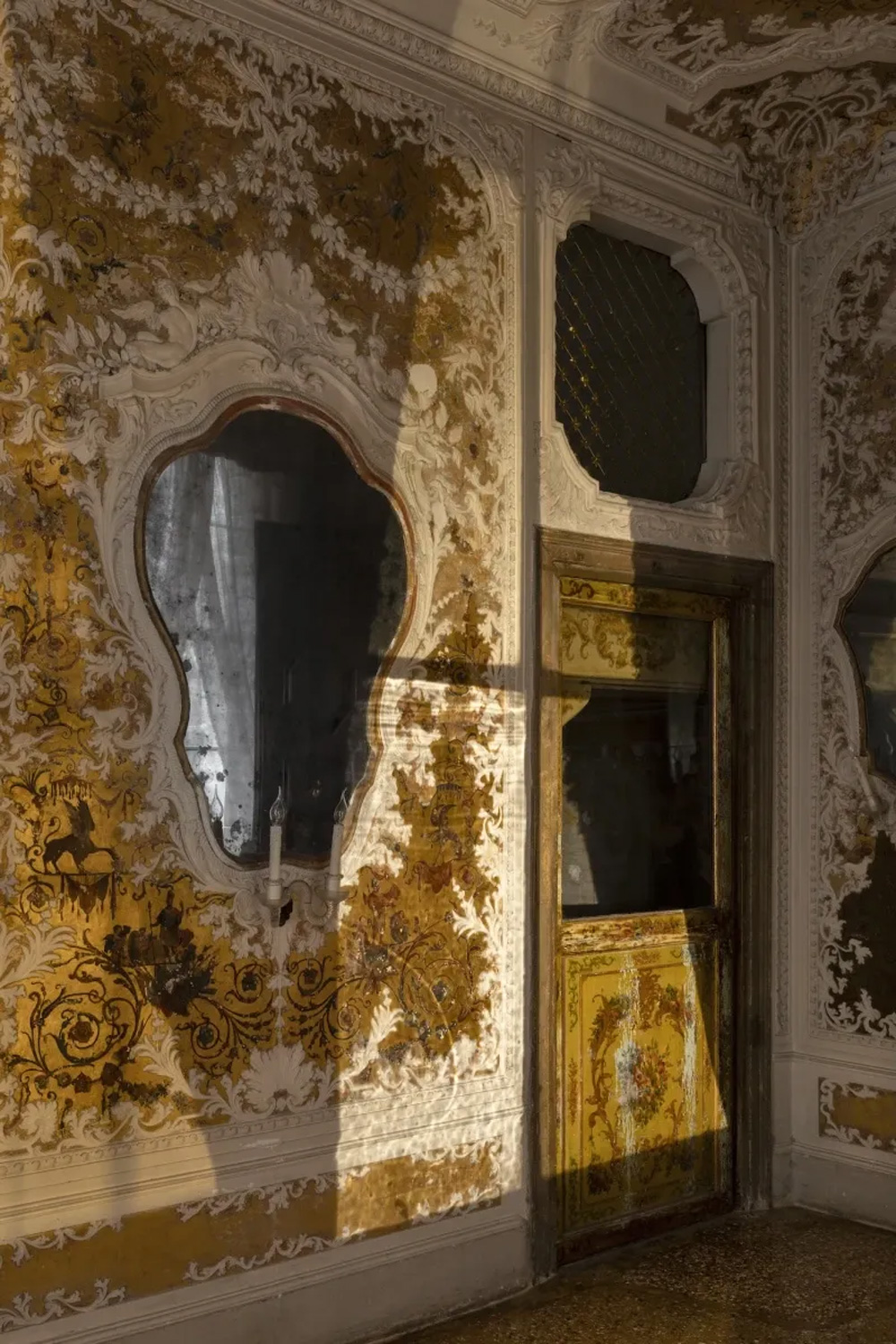
Venice has no shortage of grand rooms doing very little, which is why Fondazione Dries Van Noten matters as a 2026 culture lead. Belgian designer Dries Van Noten and partner Patrick Vangheluwe have opened Palazzo Pisani Moretta, a late-15th-century Gothic palazzo on the Grand Canal in San Polo, as a public foundation for craft, art, design, fashion, jewellery, ceramics, glass and material experiments. The first presentation, ‘The Only True Protest Is Beauty’, curated with Belgian fashion curator and retailer Geert Bruloot, brings together more than 200 works and objects. Go for the building, the material intelligence and Venice culture that is not another hotel or luxury boutique.
Photography courtesy of Camilla Glorioso and Fondazione Dries Van Noten
00
30/3
Orient Express Venezia
Venice, Italy
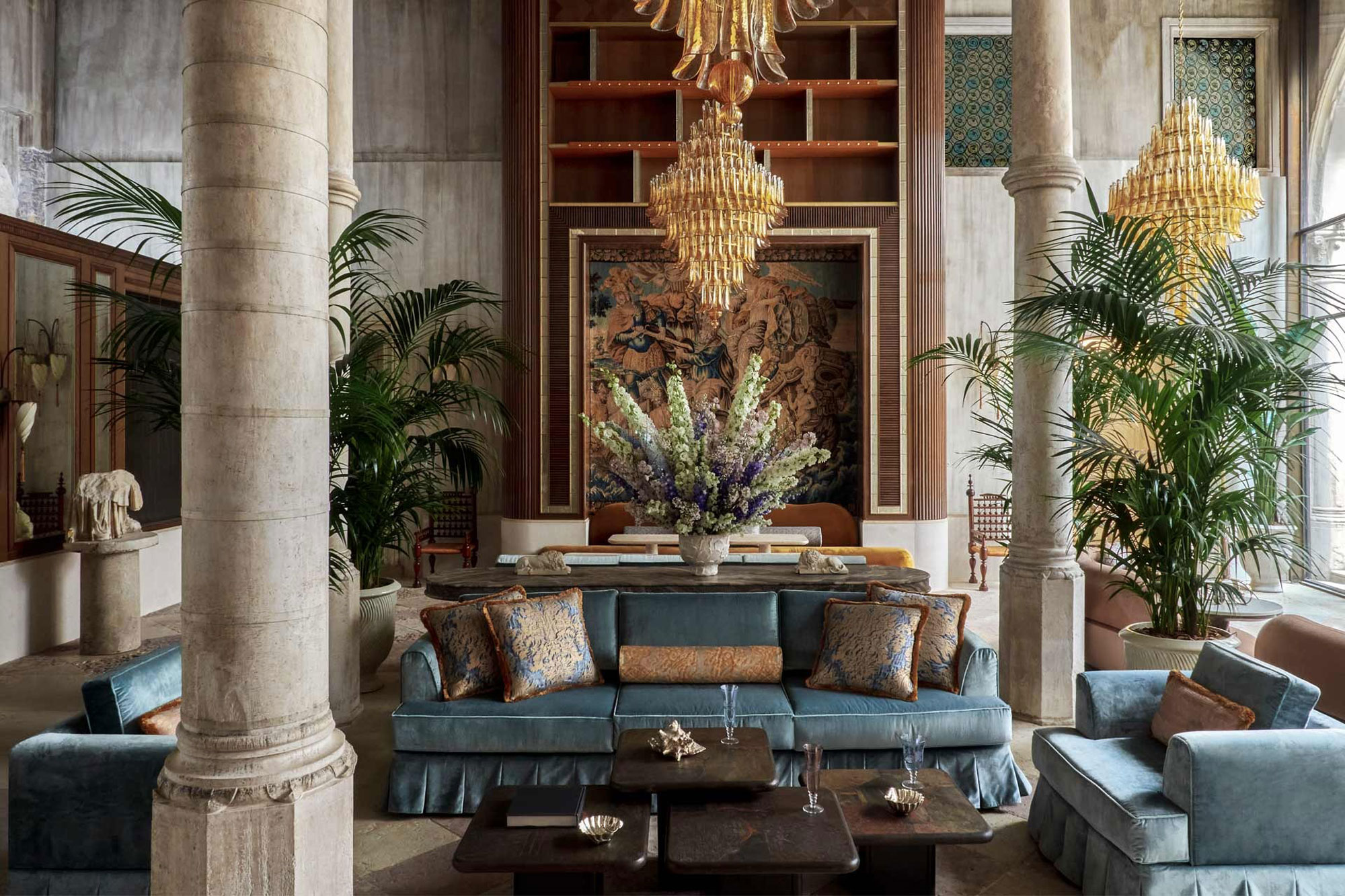
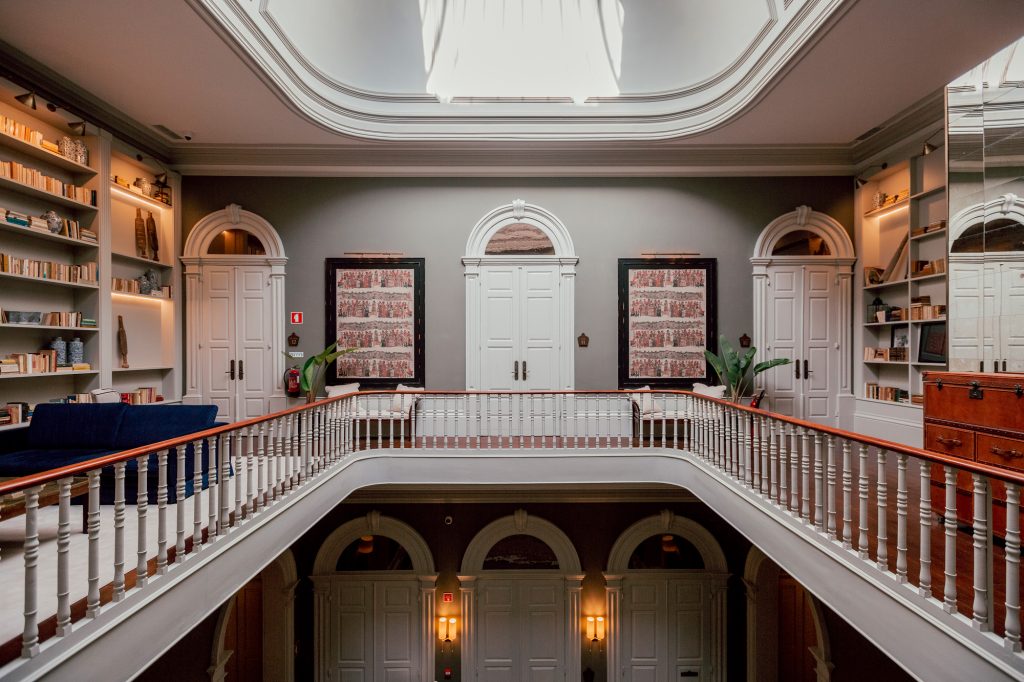
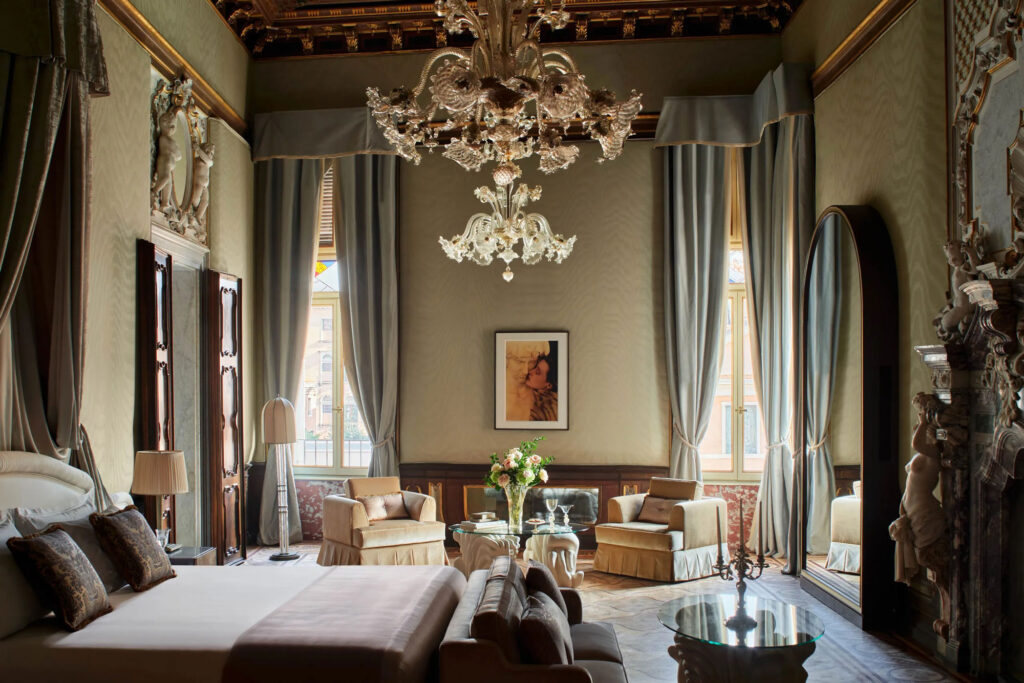
Pink-and-white Gothic drama on a quiet Cannaregio canal gives Orient Express Venezia immediate bite, but the real hook is inside. The hotel occupies the 15th-century Palazzo Donà Giovannelli, reworked by architect and interior designer Aline Asmar d’Amman into 47 rooms and suites layered with Murano glass, Art Deco touches and restored frescoes. This is not one for ticking off between sights. Linger in the salons, study the shell fireplaces and flying figures, then take a drink at the Wagon Bar once your eye has adjusted to the level of finish. It has proper theatre, but also the calm to make that theatre land.
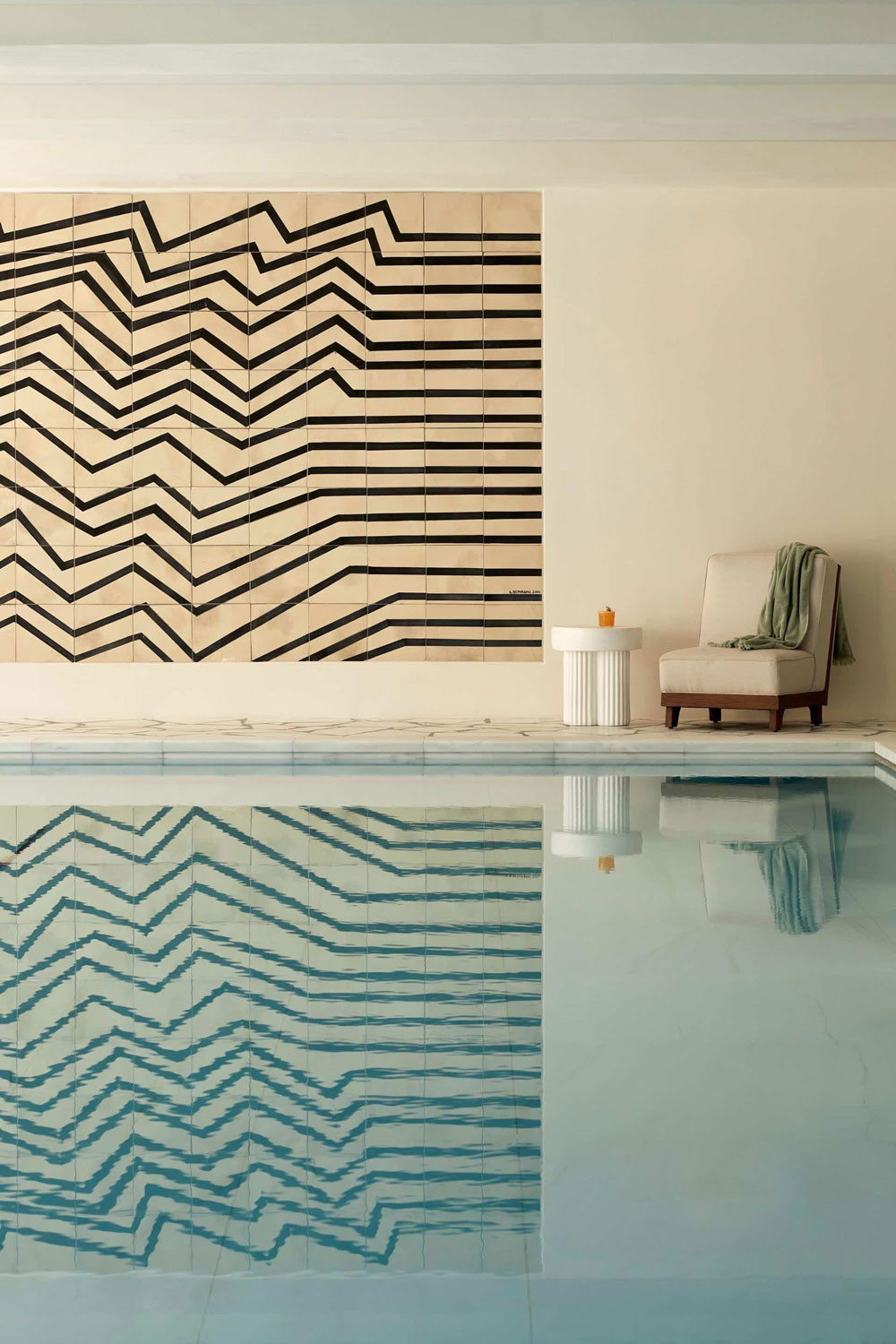
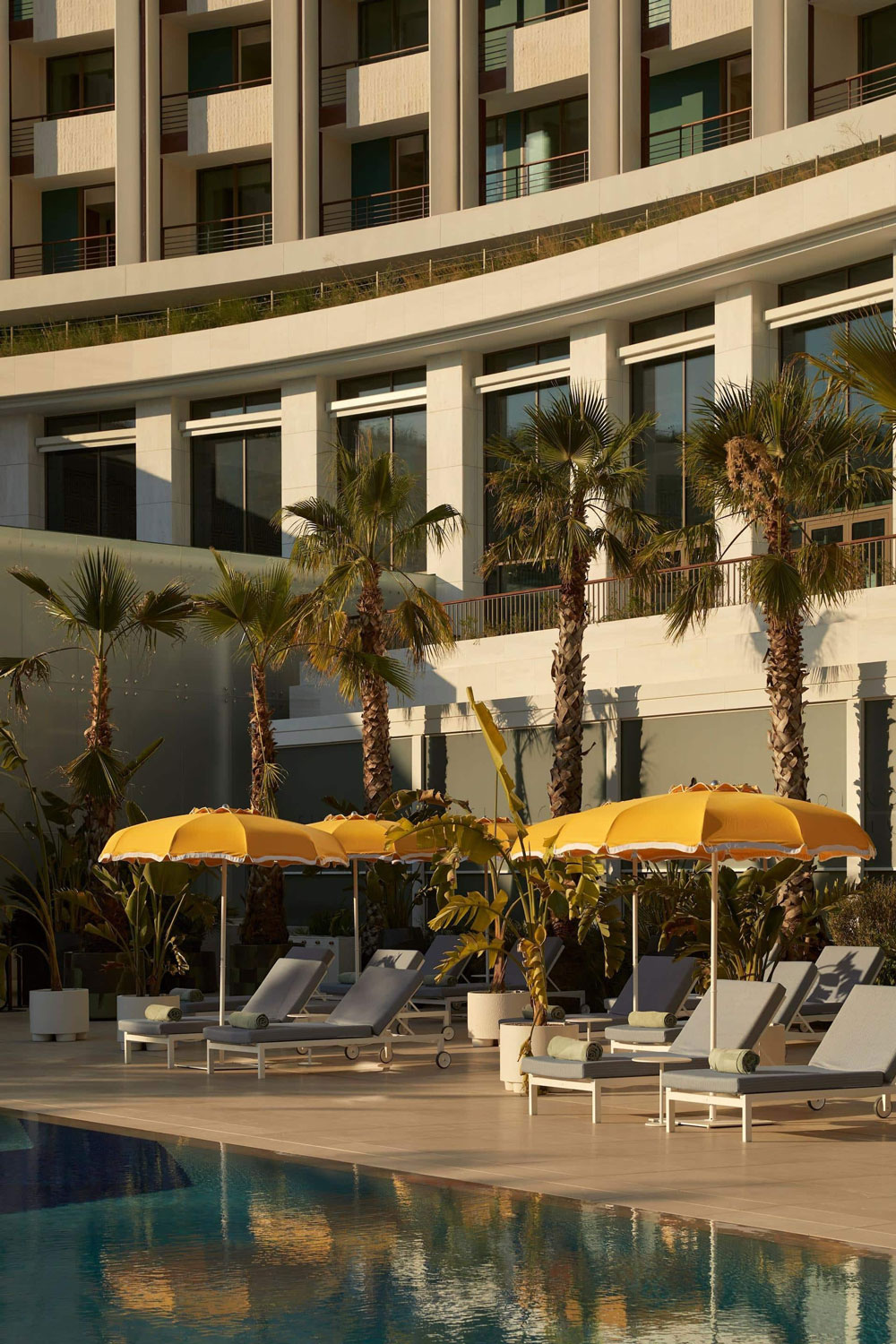
At the foot of Lycabettus, Conrad Athens The Ilisian brings one of the city’s landmark addresses back into circulation as a major new base for staying, eating, meeting and switching off. Part of the wider Ilisian development, it has 307 rooms, suites and residences, nine bars and restaurants, a House of Nynn members’ club, more than 2,000 square metres of wellness space, indoor and outdoor pools and a rooftop running track. The real pull is how much of Athens is folded into one address, from the return of Galaxy as Galaxy Dispensary and Galaxy Supper Club to a reworked Byzantino as a Greek-French brasserie.
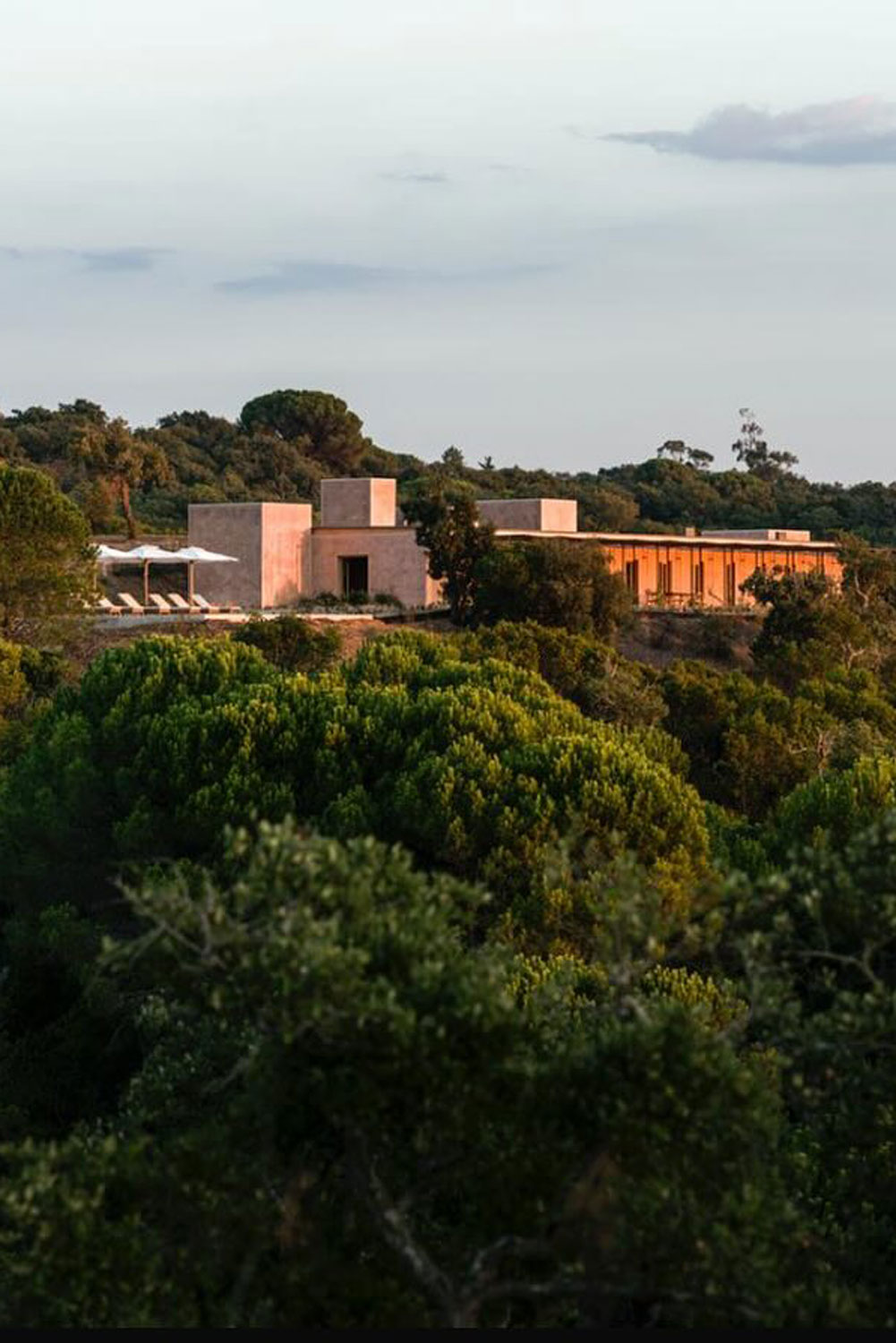
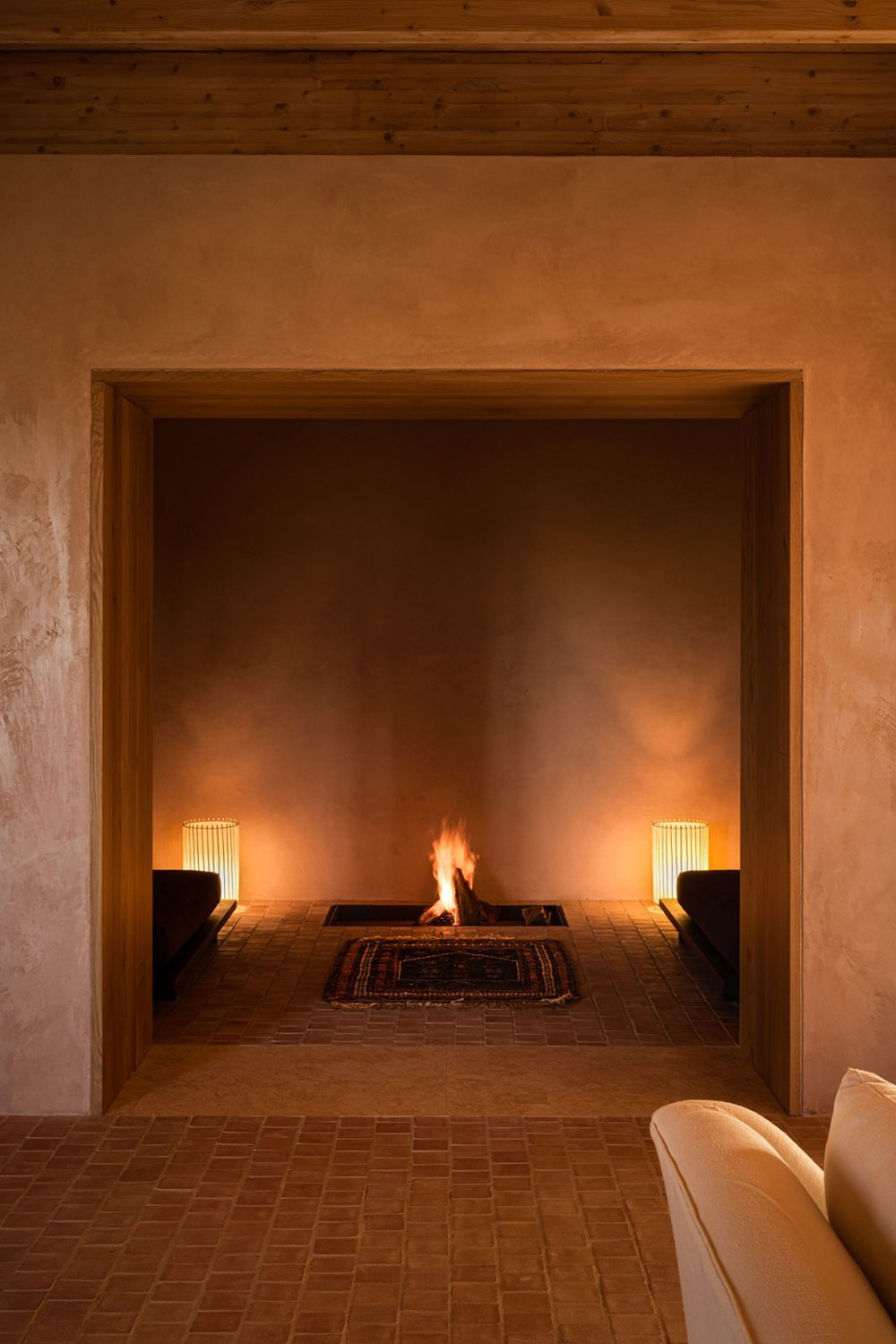
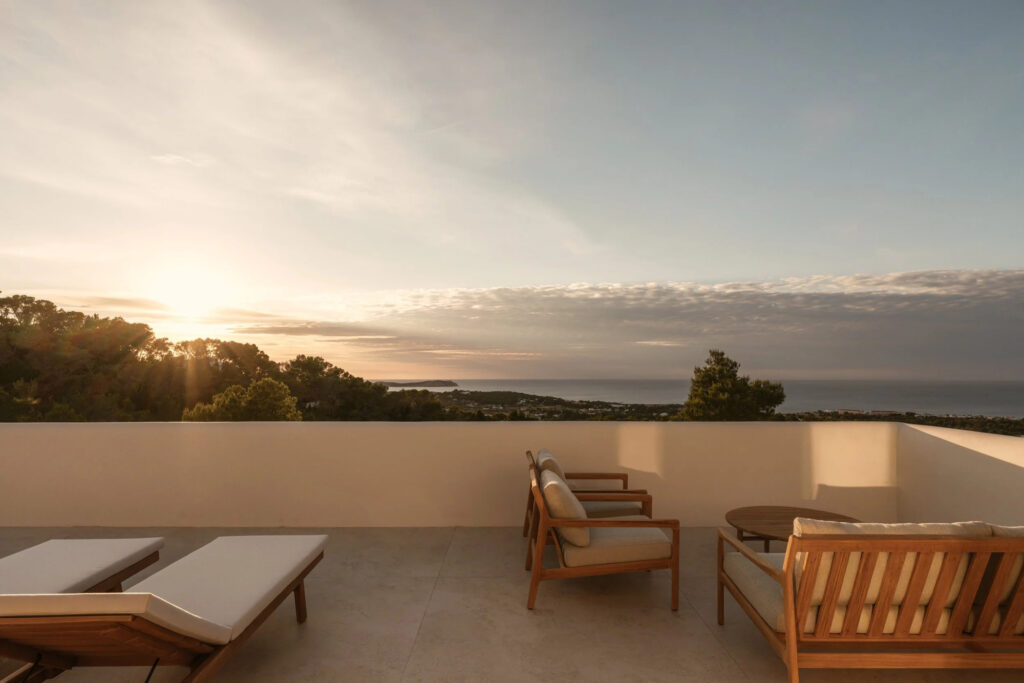
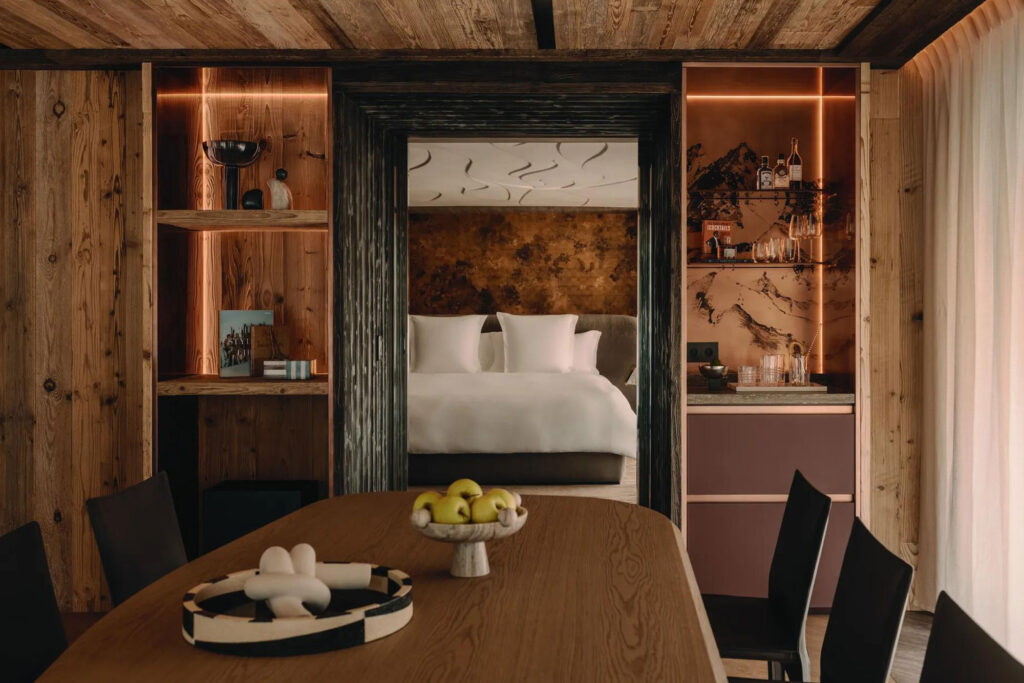
High on the hills outside Melides, Rock Rose trades beach-club gloss for a slower form of luxury built around restoration. Designed by Manuel Aires Mateus as a healing retreat for organic and silent living, the house sits within ten hectares of native forest and leans into well-being through space, privacy and bathing rather than spa clichés. There are five suites, a saltwater pool cut from lioz stone and a Roman bath room, all working with rammed earth, Venetian stucco and European oak to create a mood that settles the body. Wellness is present throughout, but in a natural, architectural way.
Photography courtesy of Piet-Albert Goethals and Rock Rose
00
16/1
Bica do Sapato
Lisbon, Portugal
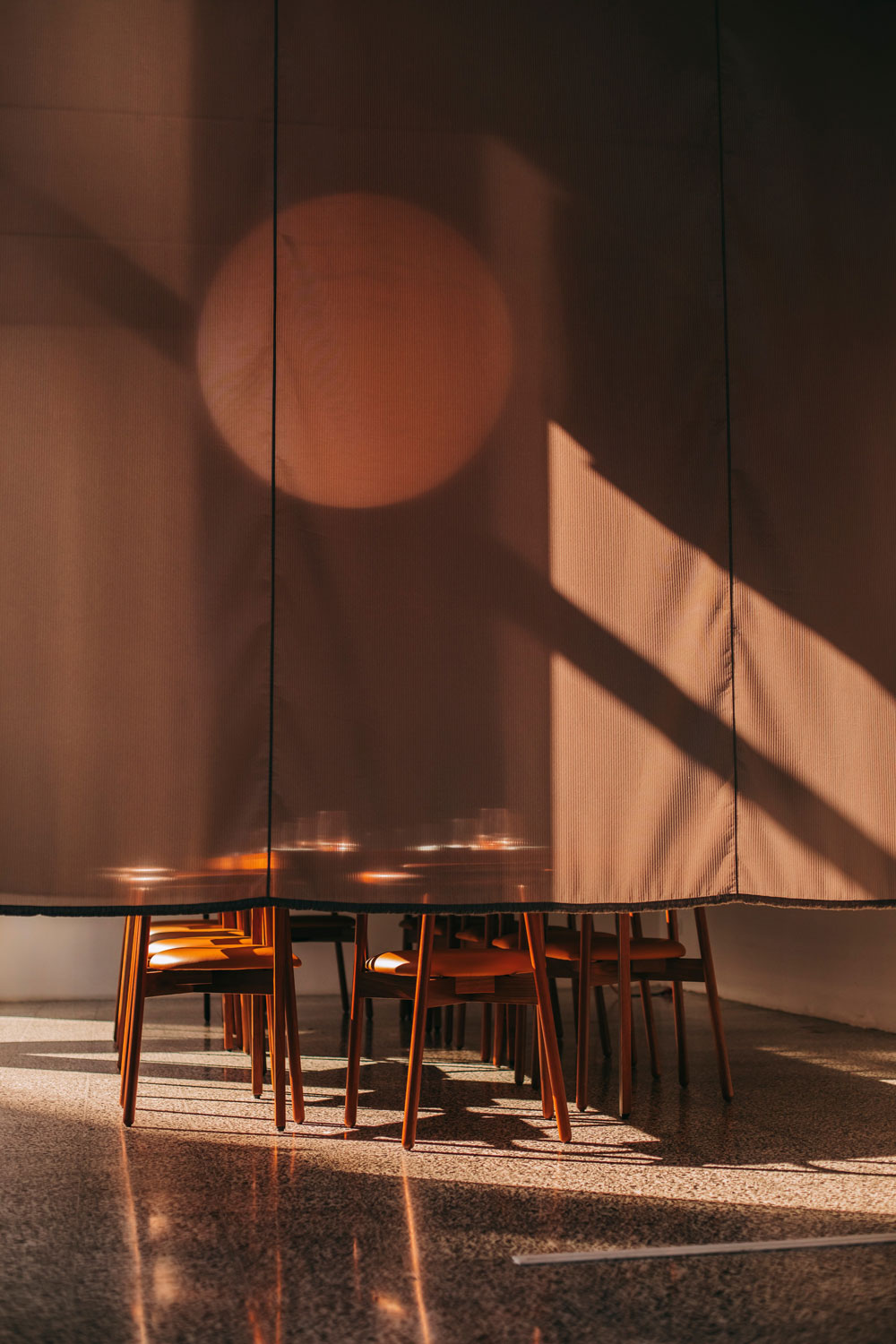
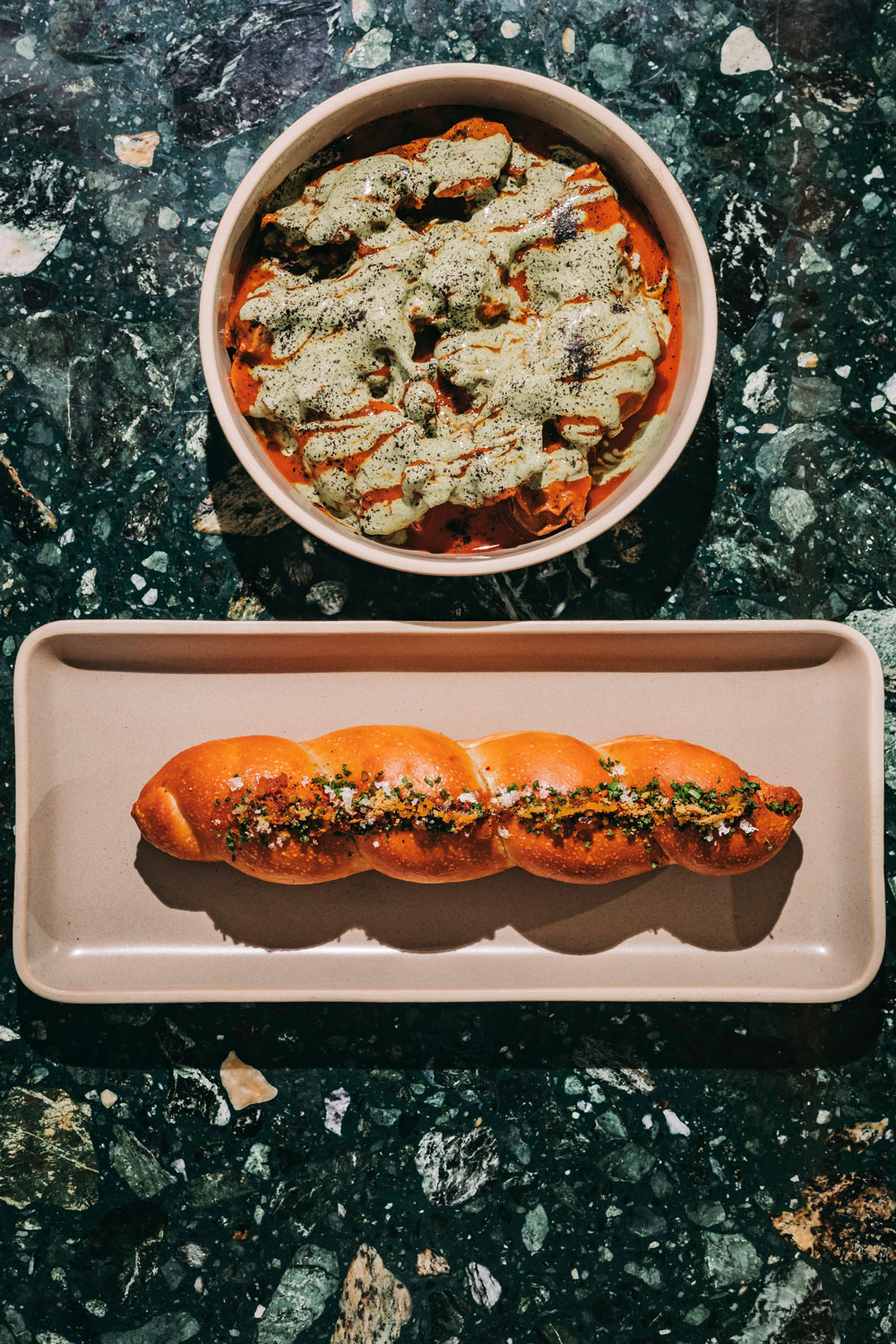
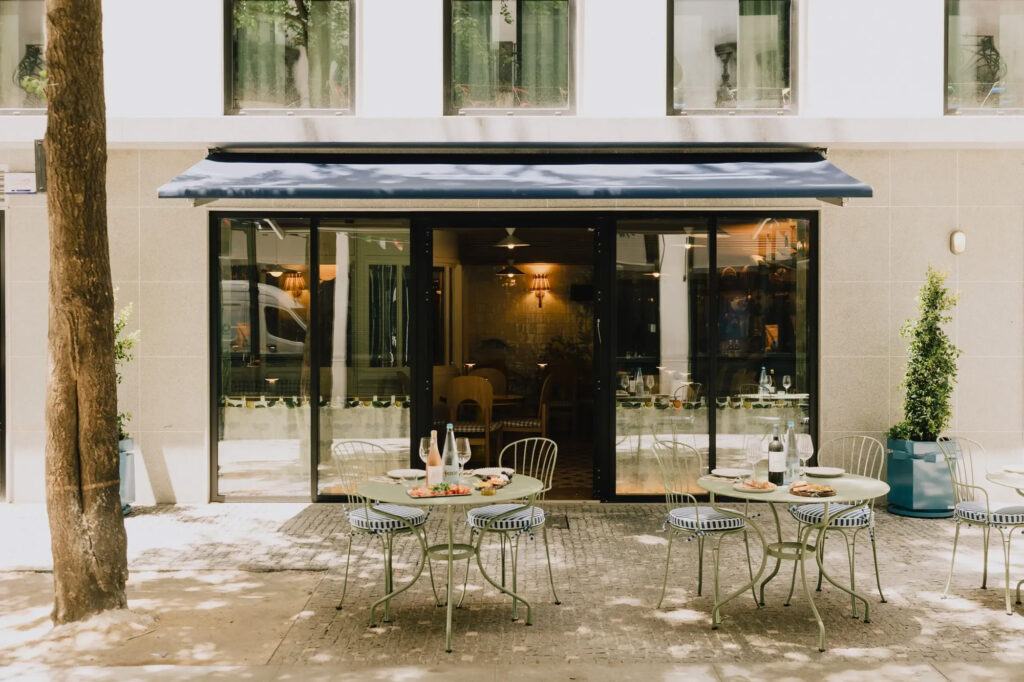
An early-2000s Lisbon night-out institution with John Malkovich in its origin story, Bica do Sapato is back after a full rethink and it still knows how to work a room. Architect Francisco Tojal led the redesign, with touches by Manuel Aires Mateus, Daciano da Costa chairs, Maria Appleton textiles and a few wink-nods to the old place, including the preserved wine rack. Come for chef Milton Anes’s menu – piri-piri quail, açorda, prawn carpaccio, royal pigeon – then drift to Trinca do Sapato for tapas or grab something from À Beira do Sapato on the way out.
Bica do Sapato
Av. Infante Dom Henrique Armazém B
Lisbon
Portugal
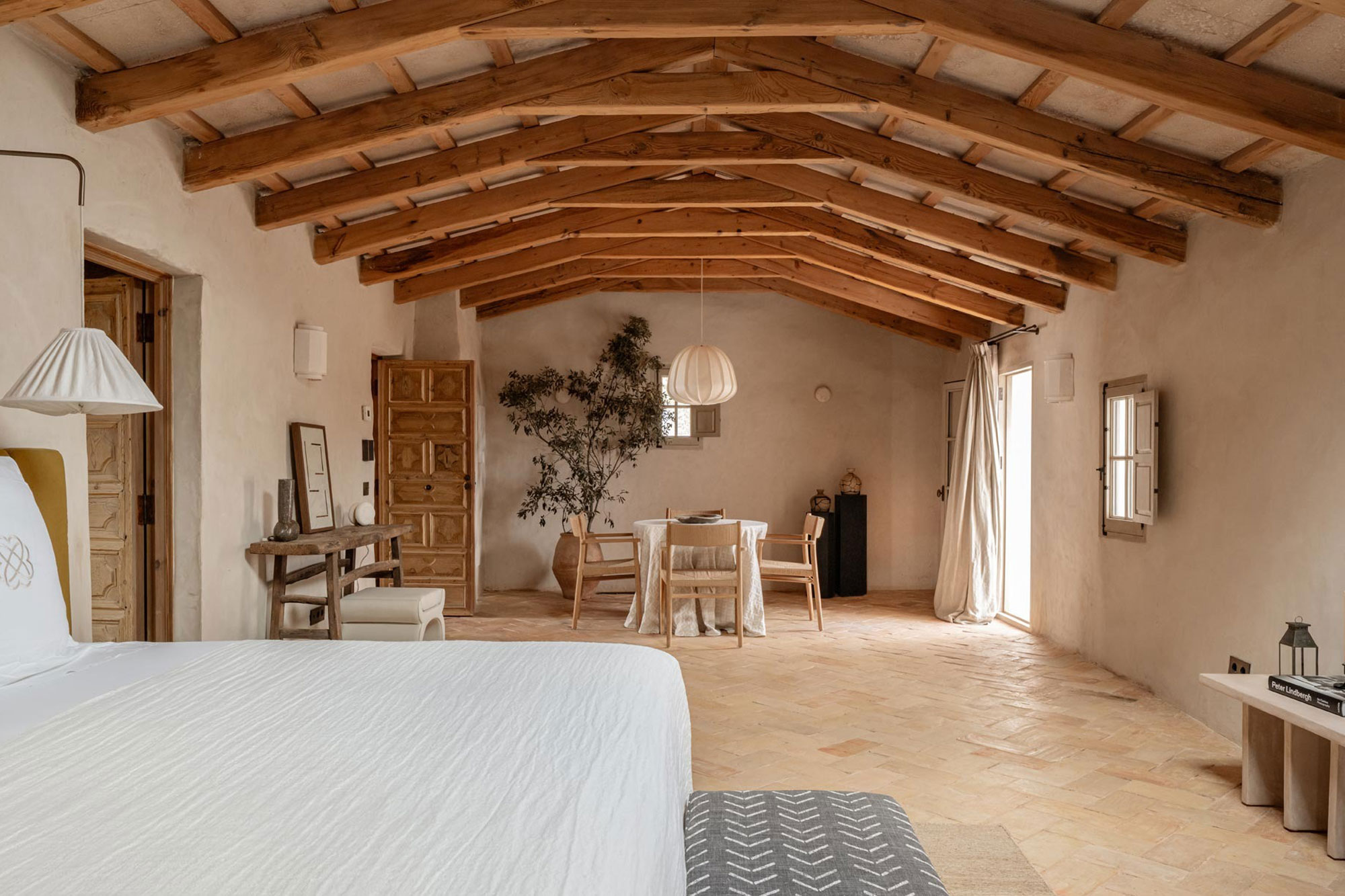
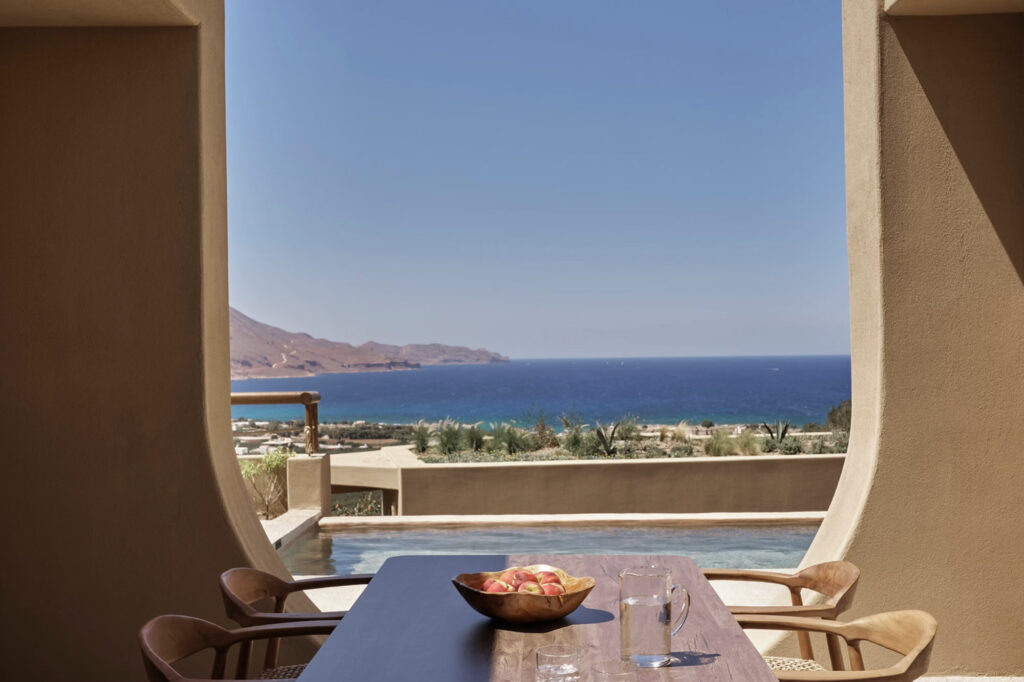
Red Menorcan stone and a valley setting give Vestige Binidufà a softer, more hidden mood than its hilltop sister Son Ermità. One half of Vestige’s two-hotel estate in northern Menorca, it has just 11 rooms and suites set across an 18th-century finca and restored outbuildings within an 800-hectare property with wild coast, pools, treatments and fitness spaces. Mesura, led by executive chef Joan Bagur, takes the food in a plant-forward direction, which is a smart move after a day on the Camí de Cavalls. Fall for this place and the wider Vestige orbit opens quickly – Son Vell in Menorca, Santa Ana, Miramar in Mallorca and Palacio de Figueras in Asturias.
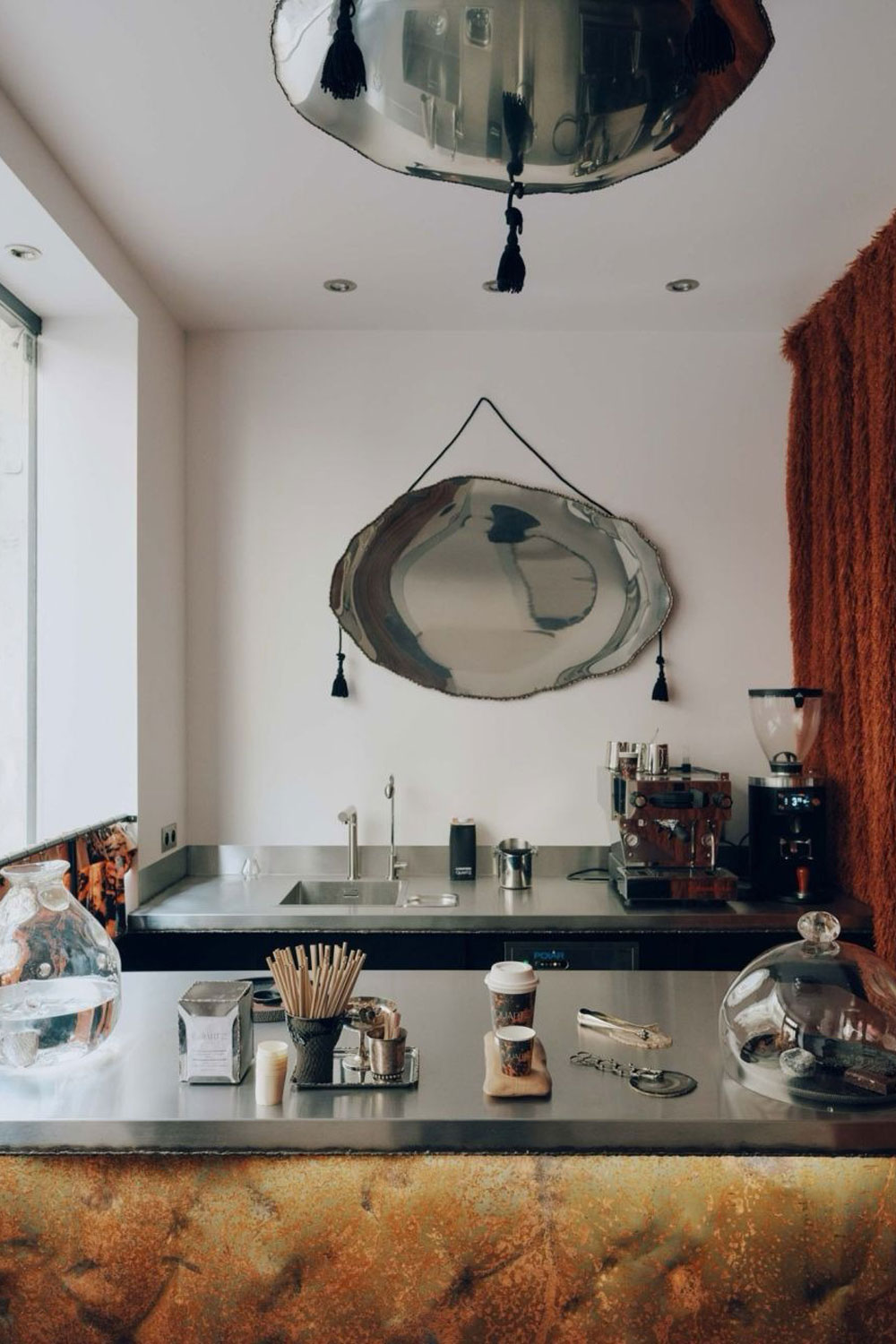
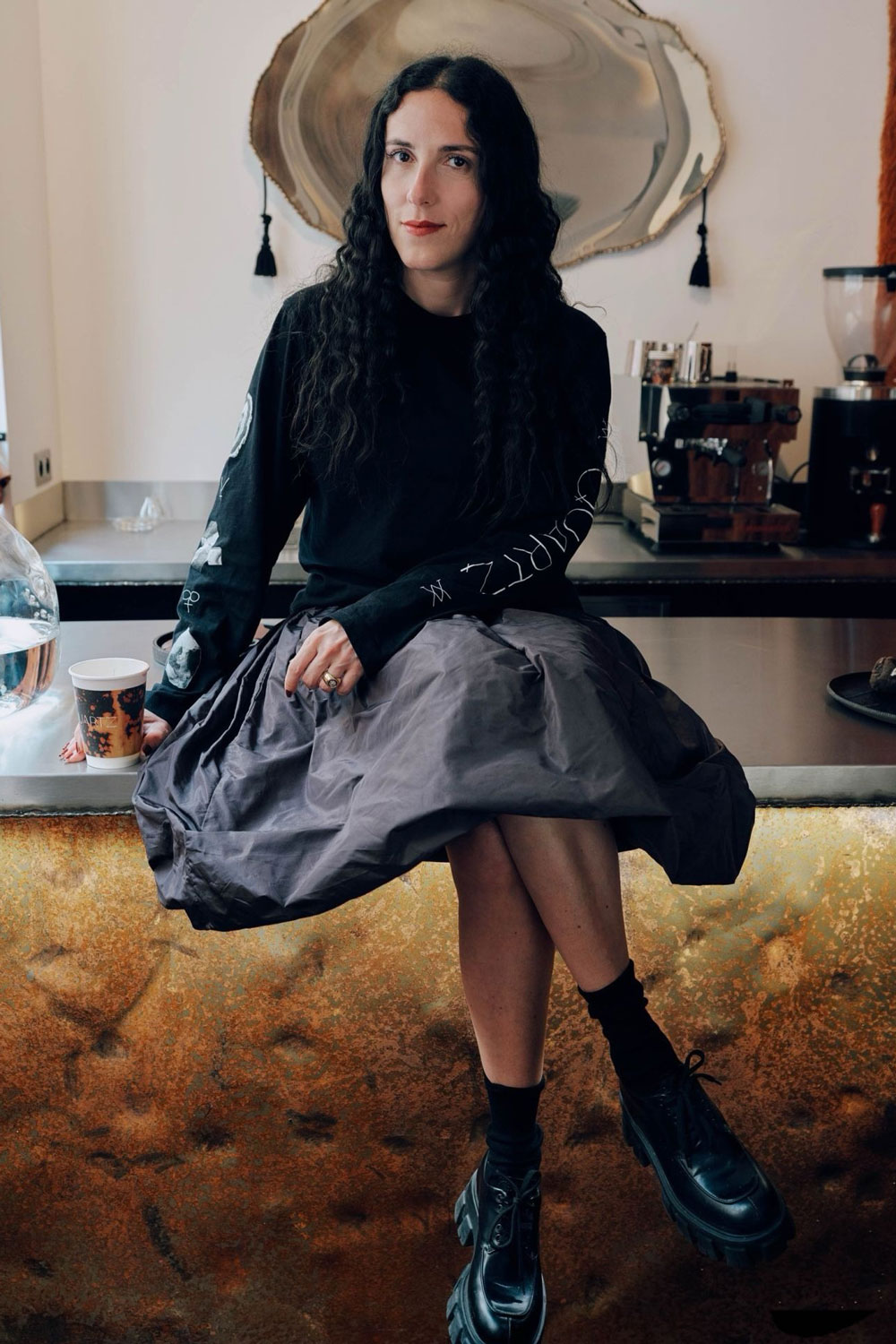
Mineral obsession gives Quartz Café its own charge in Paris’s 7th arrondissement, where architect and designer Sophie Dries has built a speciality coffee spot that feels more design-world hideout than standard caffeine stop. The room is tiny and standing-only, with pleated café curtains, a Corten steel floor, metallic details and a red plywood bench outside. Baristas work with beans from Paris roaster Partisan, matcha from Kyoto via Komā and pastries by Toutia that lean into cocoa, sesame, yuzu and other earthier notes. Even the water gets the full treatment, filtered and remineralised through dolomite containing quartz.
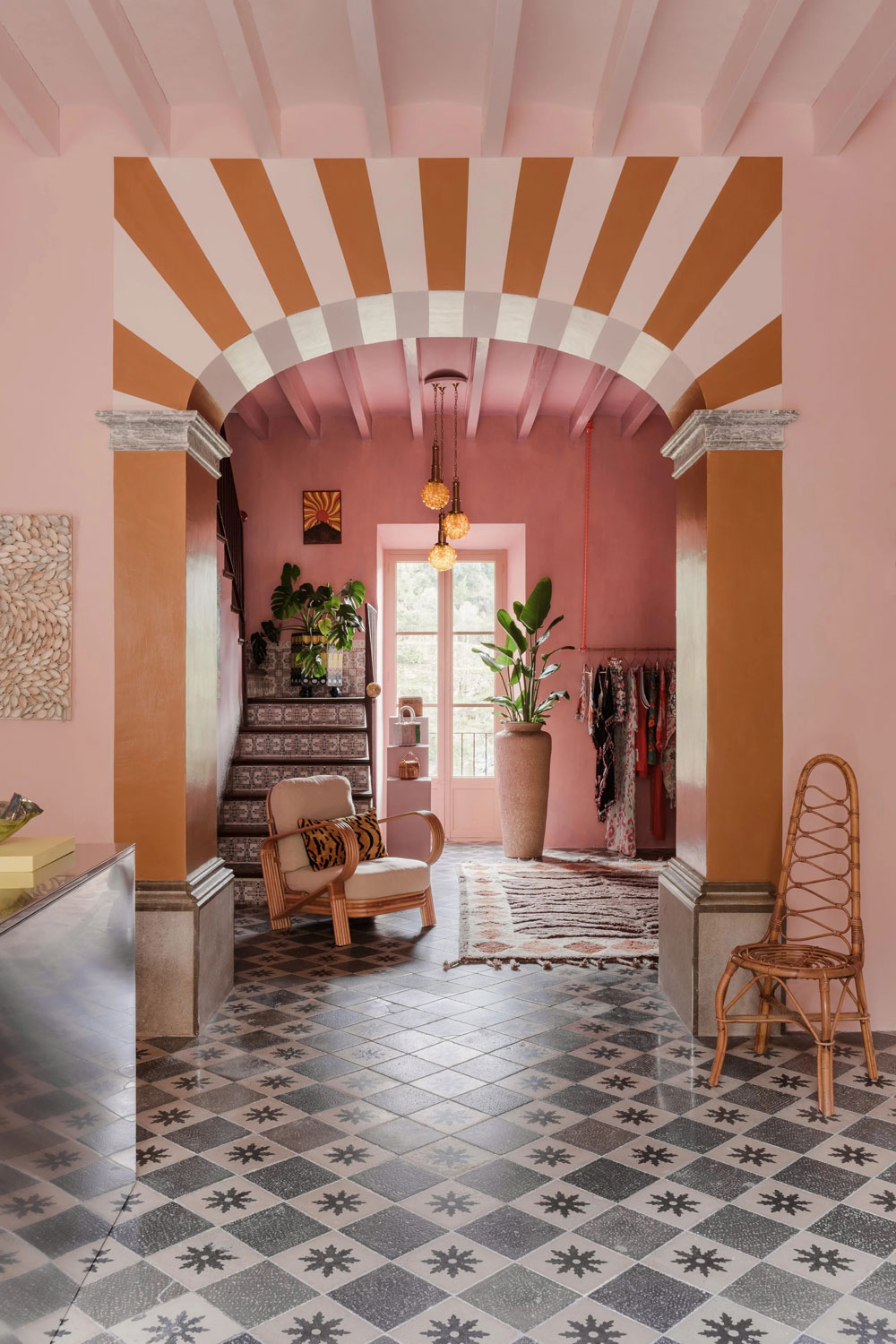
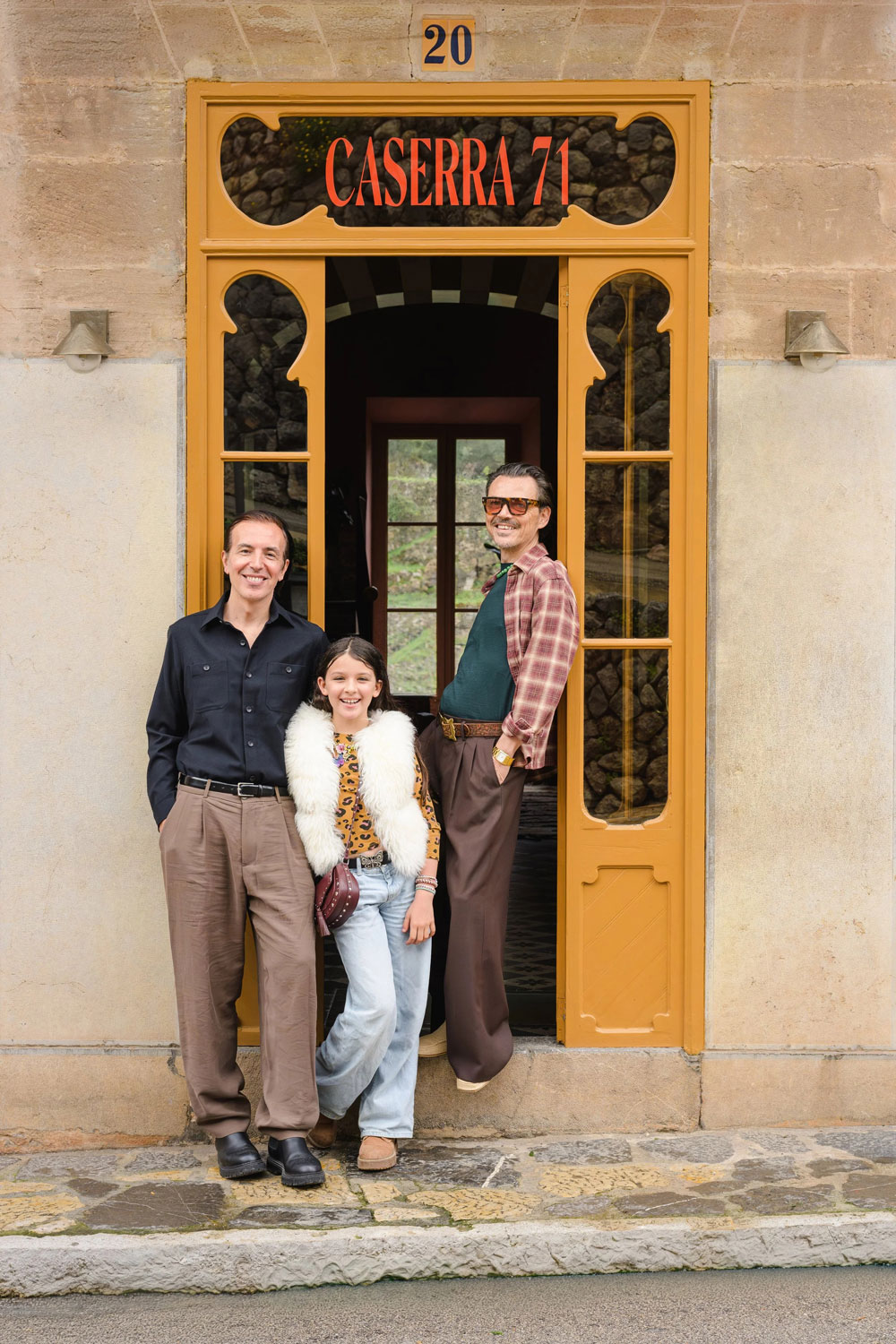
In mountain village Deià, Caserra 71 is Matthew Williamson without the fashion-show distance. The British designer, whose career spans fashion, interiors and lifestyle collaborations, has turned three rooms of a historic townhouse into a colour-soaked lifestyle store with vintage finds, crafted objects, clothing, paintings, furniture and pieces shaped by local making. The name folds together casa, serra and Williamson’s birth year, giving the shop a house-in-the-mountains logic instead of a straightforward boutique one. Use it for objects with personality, gifts that do not feel airport-coded and a dose of Mallorca seen through colour, print and 1970s warmth.
Caserra 71
Carrer Archiduc Luis Salvador, 20
Deià
Mallorca
Spain